Best AI Image Generator in 2026
We gave the best AI image generators of 2026 the same nine prompts and scored every one on realism, anatomy, physics, reflections, spatial reasoning, multi-object consistency, long-range scene reasoning, typography, and cinematography.
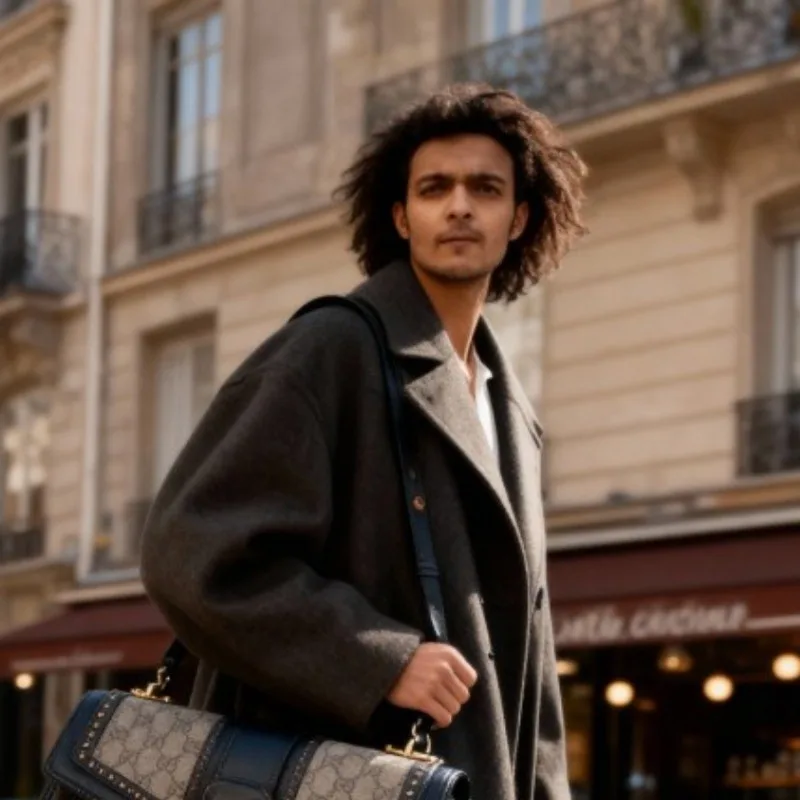
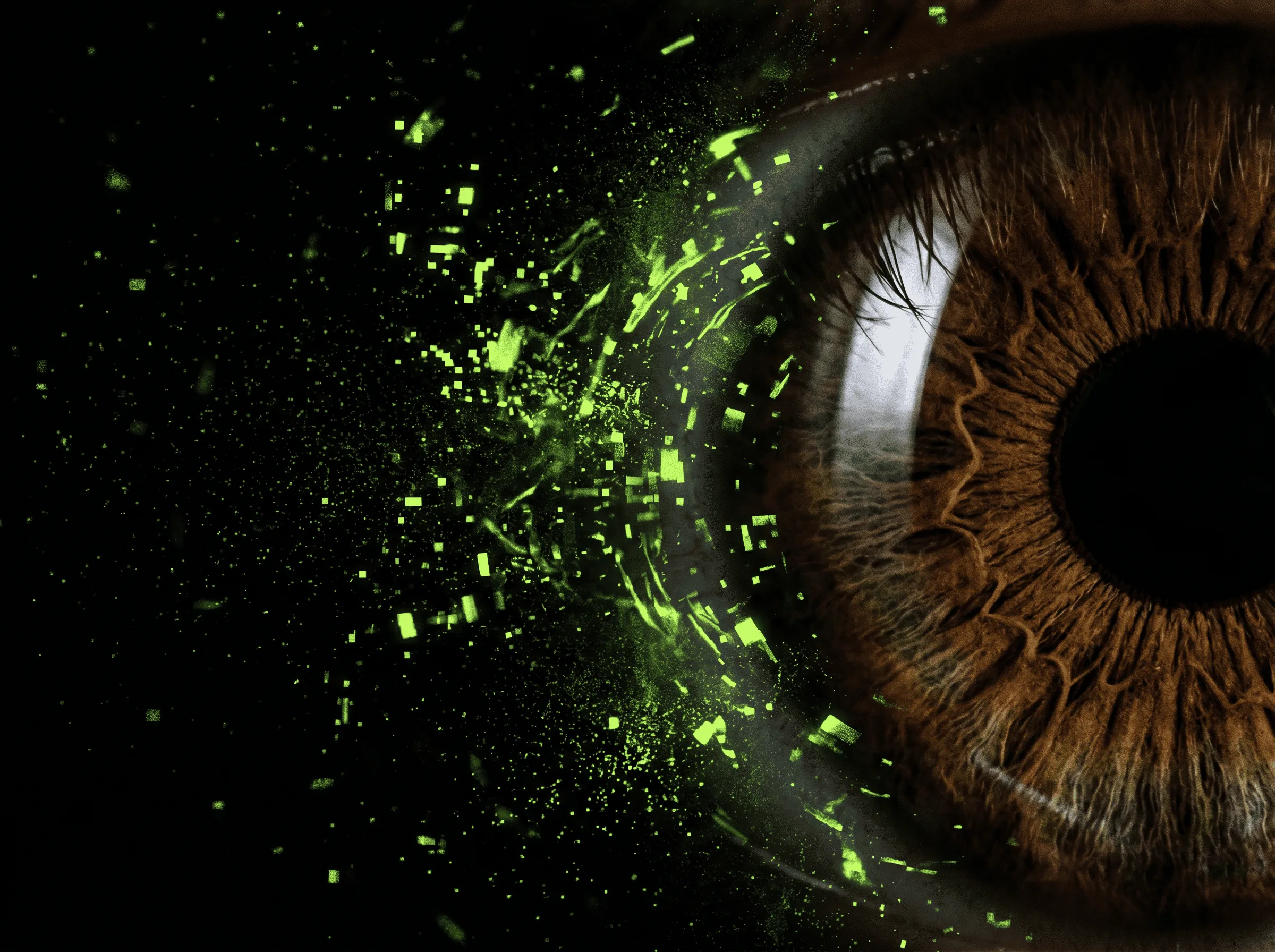
For three years you could spot an AI image the way you spot a toupee. Something about it was slightly, fatally off. The hands. The melted text on a shopfront. The way light landed everywhere except where it should. Sometime in the last year that tell quietly died. The best models now make pictures that survive a second look, a third, and a skeptical zoom, and the old parlor game of "is this real" has stopped being interesting.
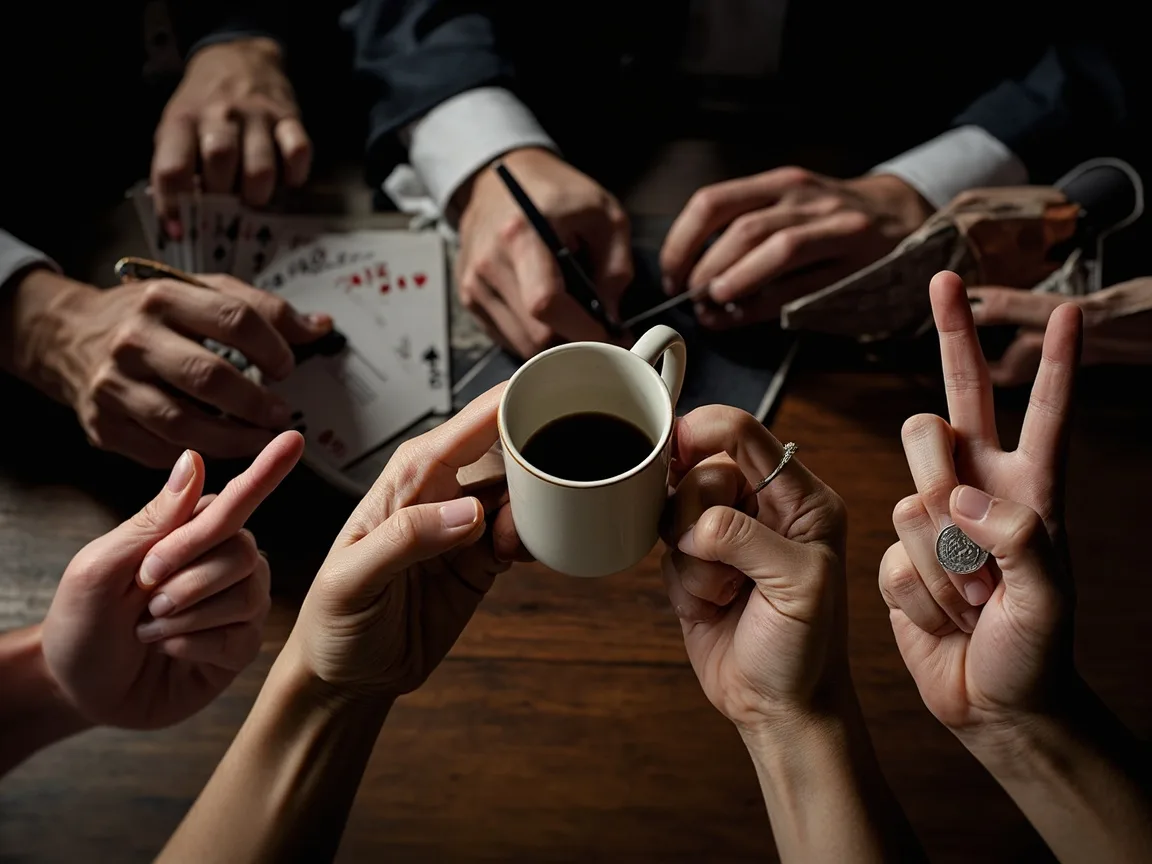
Hands made with Minimax Image .webp)
hands made with GPT Image 2
The interesting question now is narrower and far more useful: of all the latest AI image models good enough to fool you, which one makes the particular image you need, and which ones are still faking it in ways that will cost you later?
A model that paints a flawless face can still spell "BAKERY" as "BAEKRY."
One that nails a crowded street will quietly turn a wine glass into frosted plastic.
The differences moved from obvious to specific, which is exactly what we will discuss in this piece.
What Changed in AI Image Generation in 2026?
For years, choosing an image model meant choosing which flaw you could live with. You picked Midjourney and gave up on readable text. You picked a realism model and spent the evening fixing hands. That trade-off is gone, and three specific things killed it:
1) Typography works now
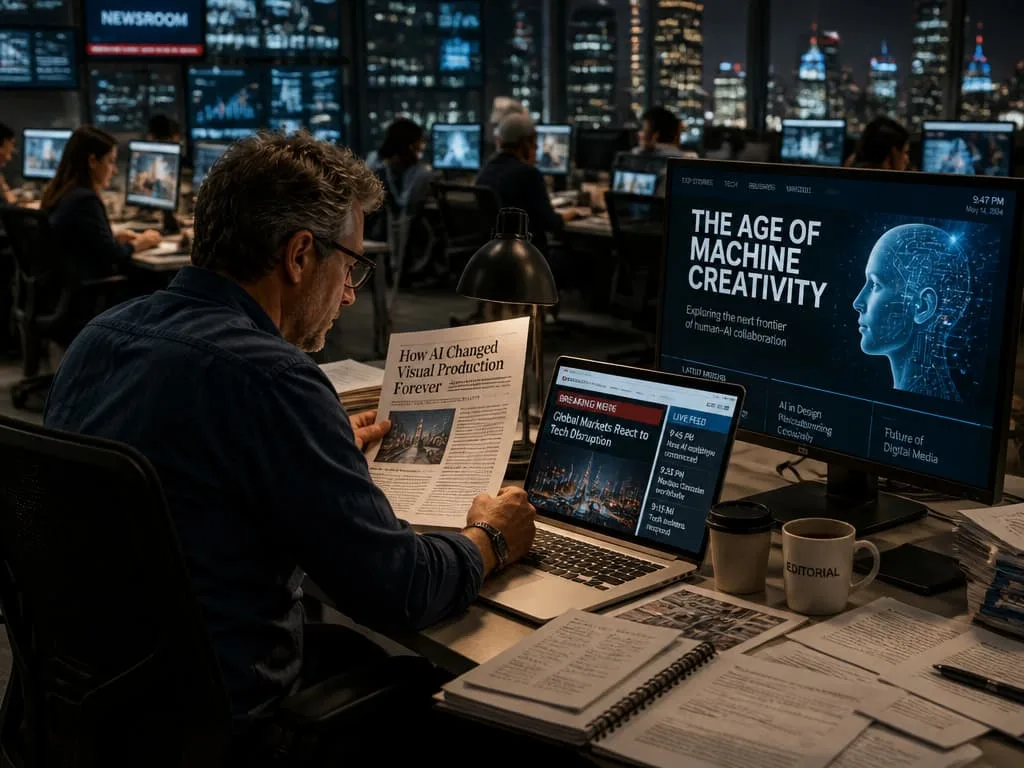
The top models render short, accurate, correctly spelled text inside the image. That single change erased the main reason people juggled two or three tools.
2) Models reason about a scene instead of guessing at it
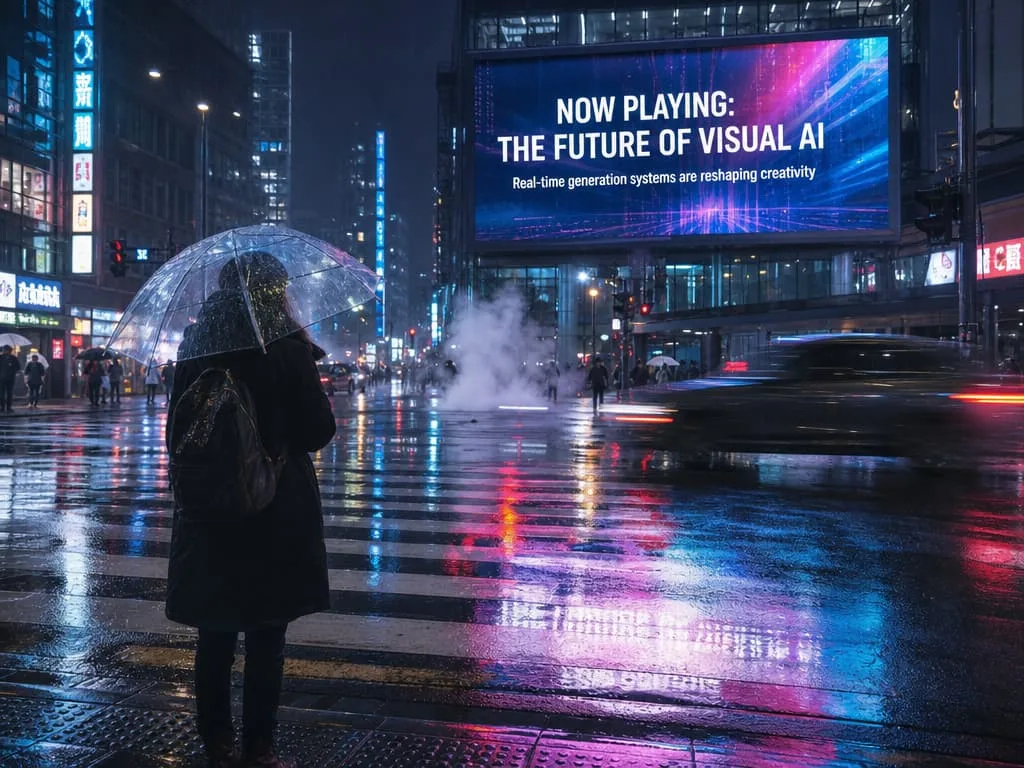
Reflections land on the right surfaces, shadows fall the right way, objects sit in believable spatial relationships, and anatomy survives a close look. The best output stopped being a lucky frame and became the default frame.
3) The price floor collapsed
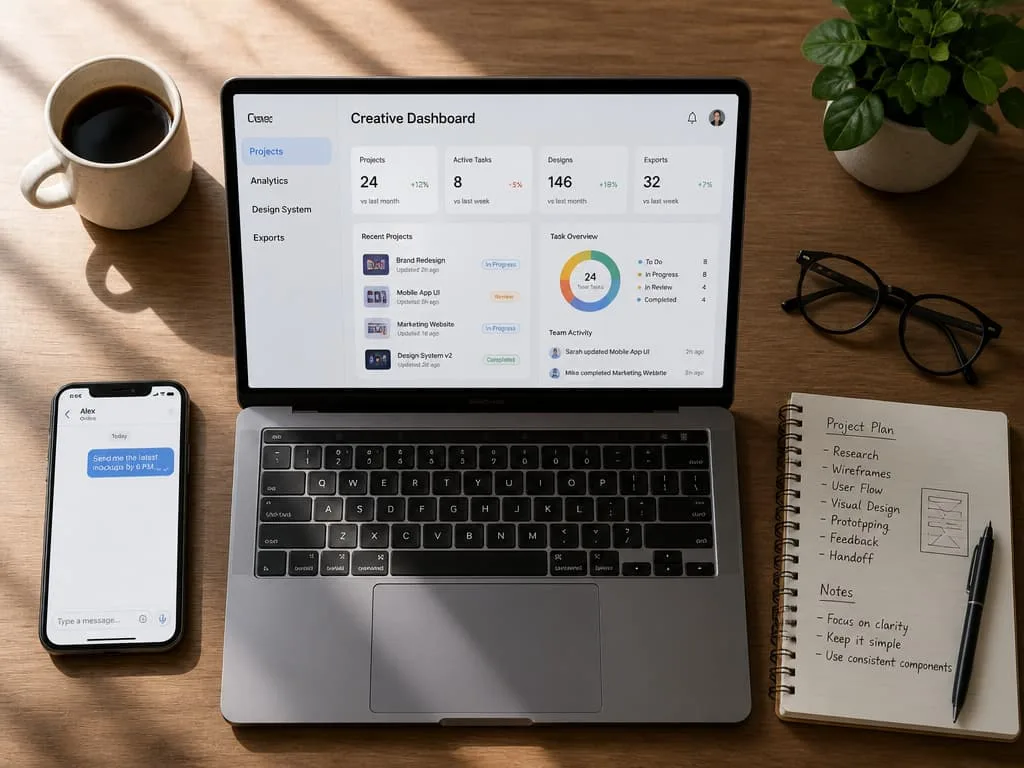
Genuinely good models now generate for a cent or two per image, and the best free model would have been the paid leader a year ago.
The distance between first place and tenth on raw quality is the smallest it has ever been, while the distance on specifics is the widest. Picking well is no longer about finding the one good model. It is about matching the right model to the job in front of you — and knowing which of the nine things below actually matters for that job.
AI Image Generator Ranking Metrics
"Quality" is too vague to be useful, so we broke it into nine measurable traits. Every score in this guide maps to one of these. If you only care about three of them for your work, read those and ignore the rest.
- Photorealism
Does a photo-style image read as a real photograph, or does it carry the tell-tale AI sheen on skin, fabric, and light? - Human anatomy
Hands, faces, teeth, eyes, the number of fingers and the way joints bend. The single fastest way a viewer spots a fake. - Physics & lighting
Do shadows match the light source, does liquid pour correctly, does gravity behave? Light is where most models quietly fail. - Reflections & materials
Glass, metal, water, and skin each bounce light differently. A reflection that shows the wrong room is an instant giveaway. - Spatial reasoning
When you say "the mug to the left of the book, behind the lamp," does the model place every object exactly there? - Multi-object consistency
In a scene with many elements, do all of them stay coherent, or do a few melt into nonsense at the edges? - Long-range scene reasoning
A crowded street, a full room, a complex composition — can the model hold the whole thing together rather than just the focal point? - Typography
Accurate, correctly spelled, well-placed text inside the image, from a single word to a full headline. - Cinematography
Composition, lensing, color, and mood — the difference between a correct image and a beautiful one.
Price, speed, free daily limits, and commercial rights matter too, but they are not image-quality metrics, so they don't affect the Spinoza scorecard.
"The 'best AI image generator' depends entirely on what you're making. The right question isn't which model is best but which model is best for you."
So before we rank anything, here's the fairest test there is: the same prompt, run through every model. Look at the realism, the hands, the lighting, and the text, and the gaps between them speak for themselves.
The rankings that follow explain which model to reach for, and when.
Midjourney V7 was unable to generate an output due to limitations.
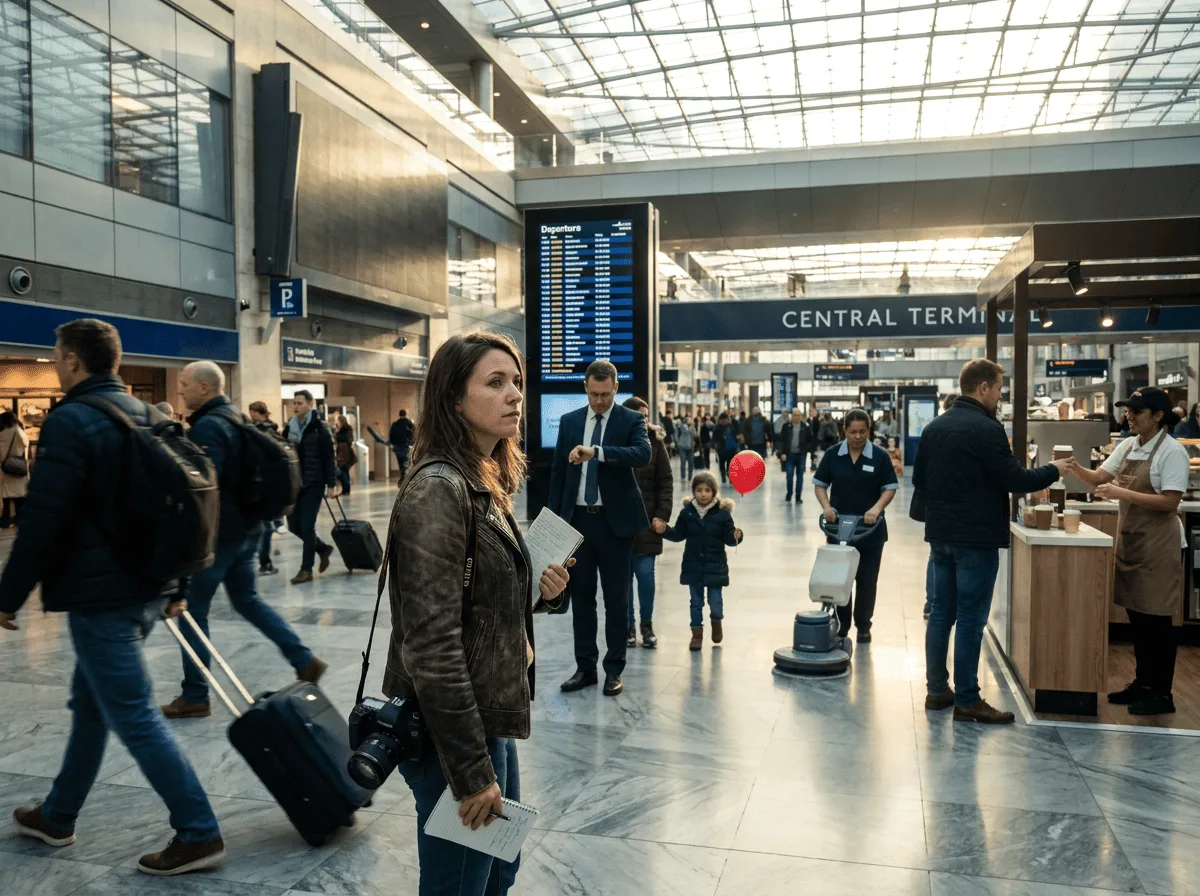
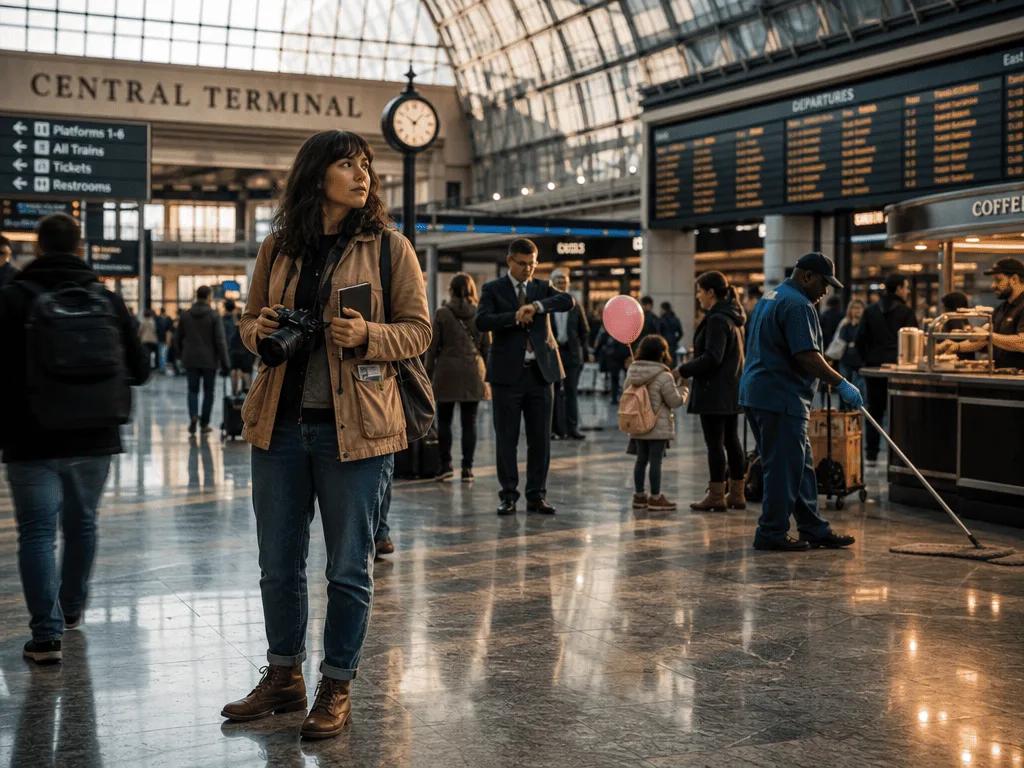
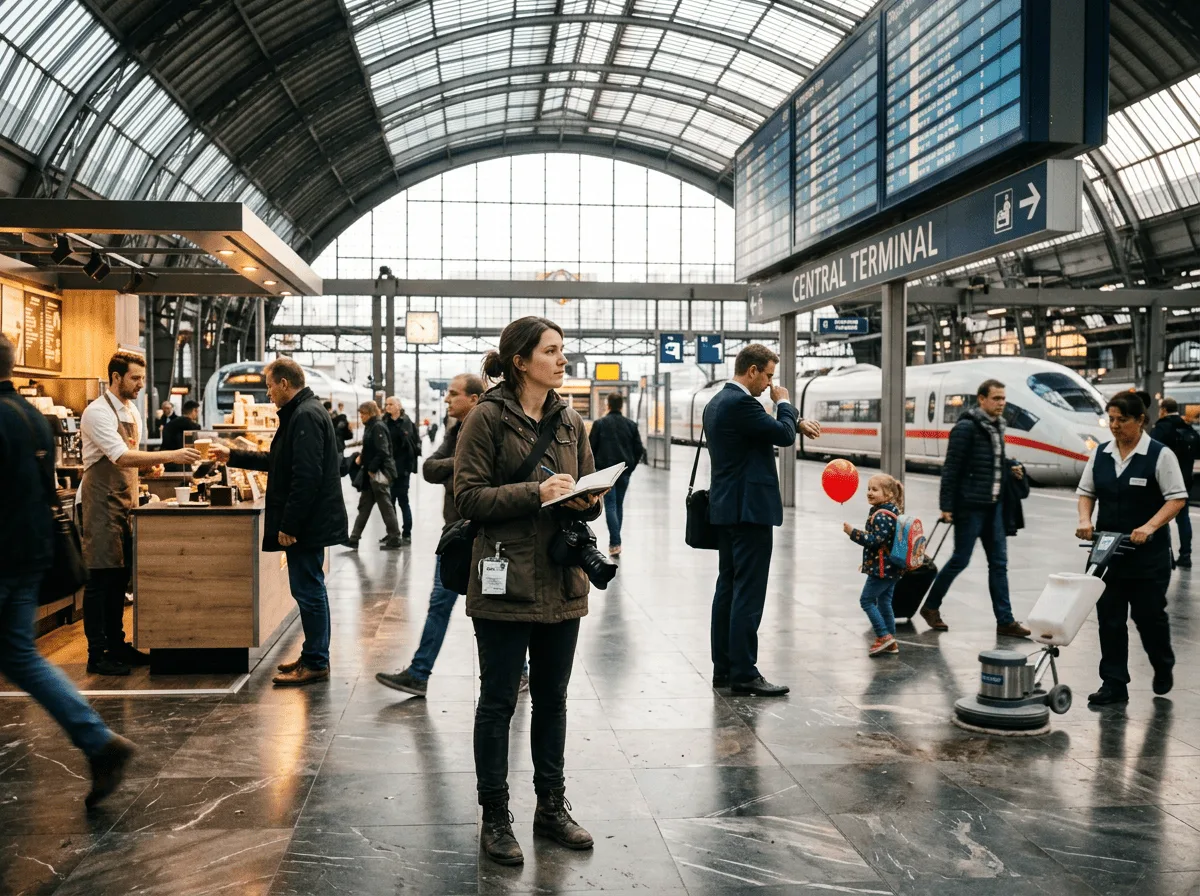
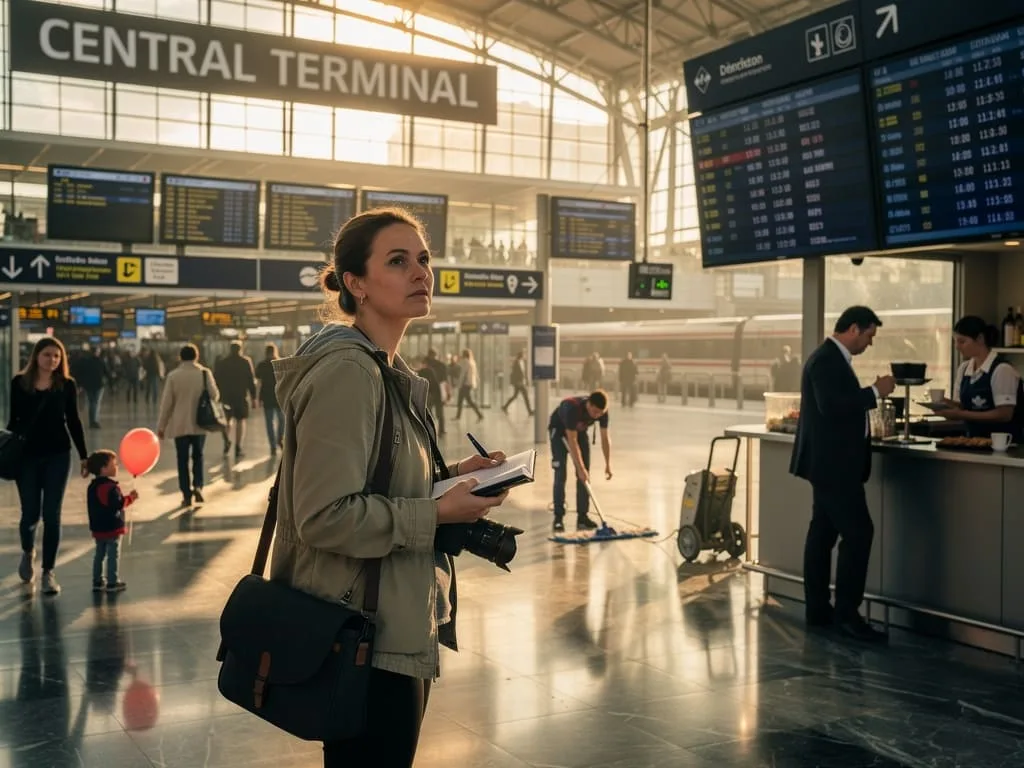
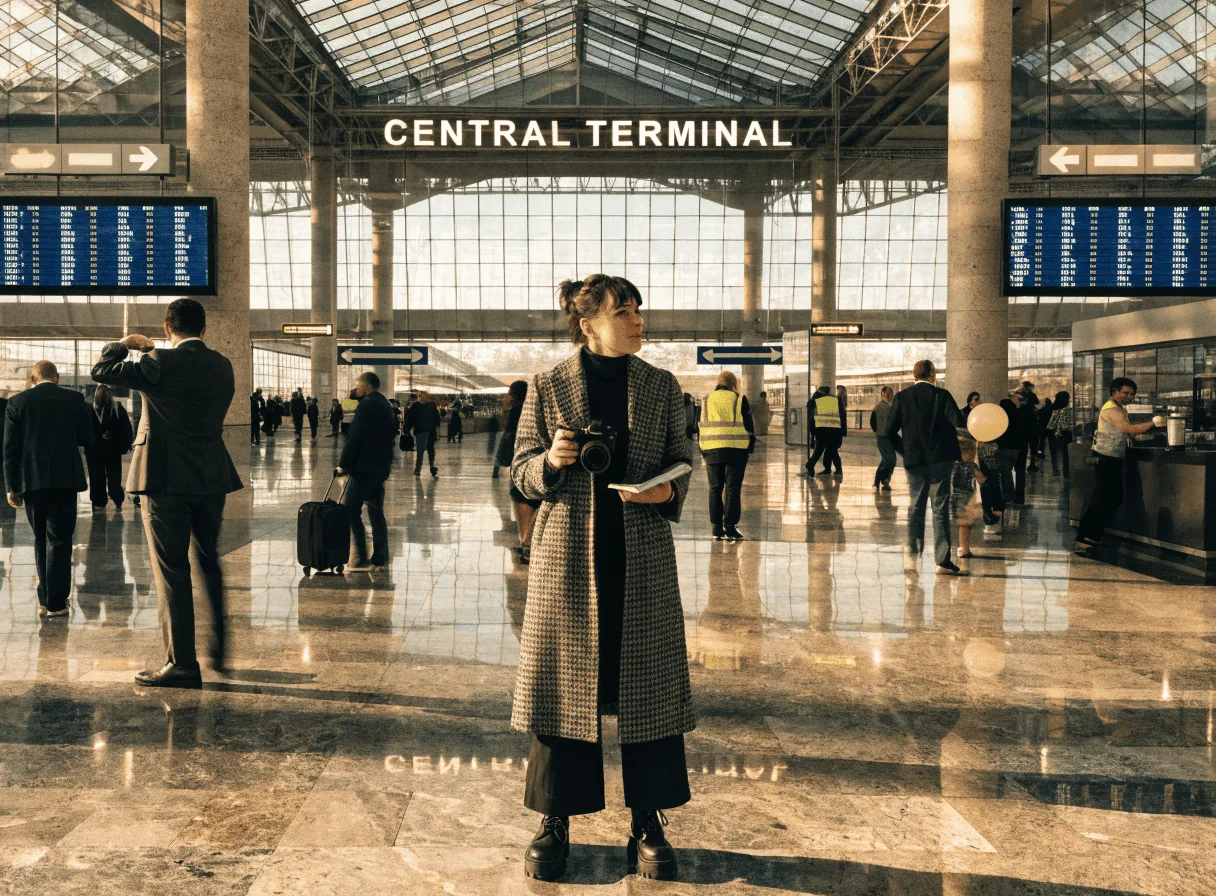
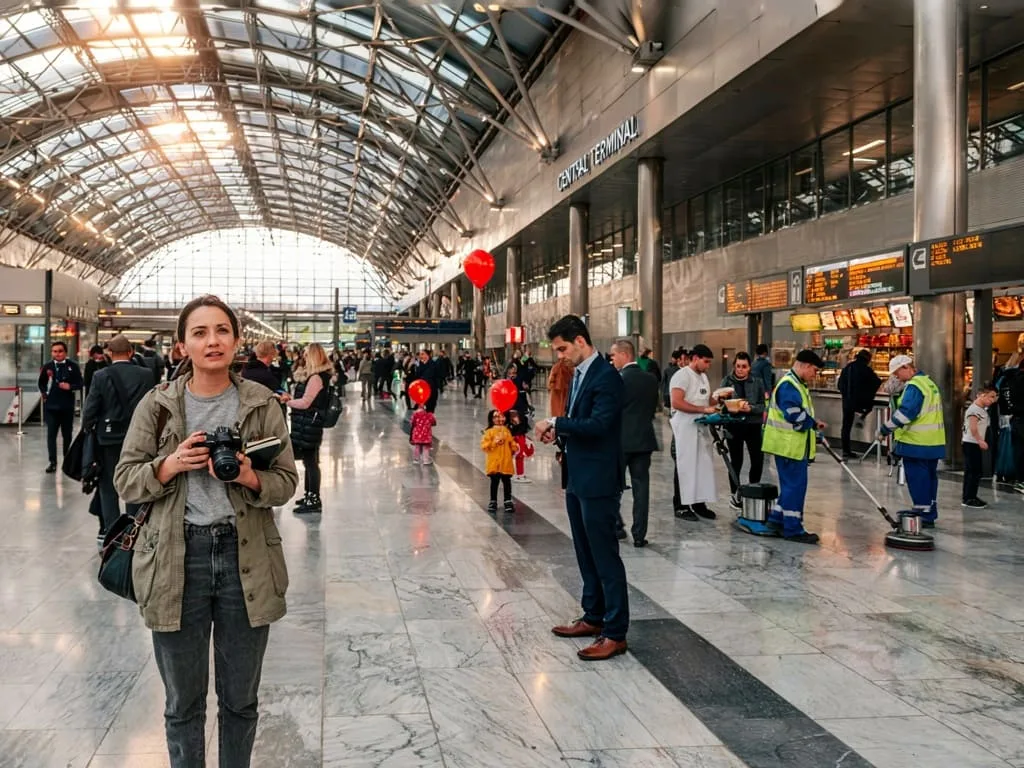
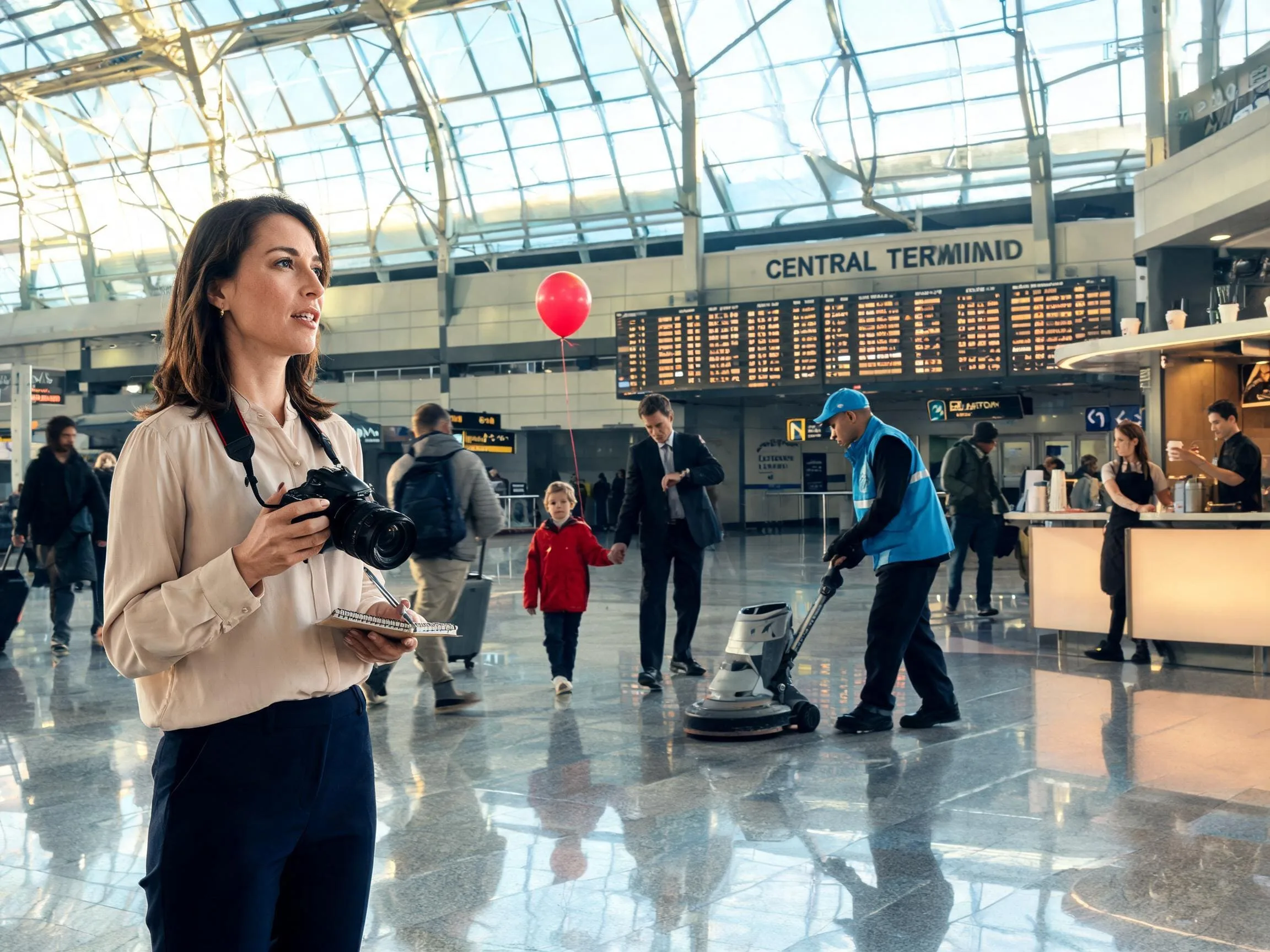
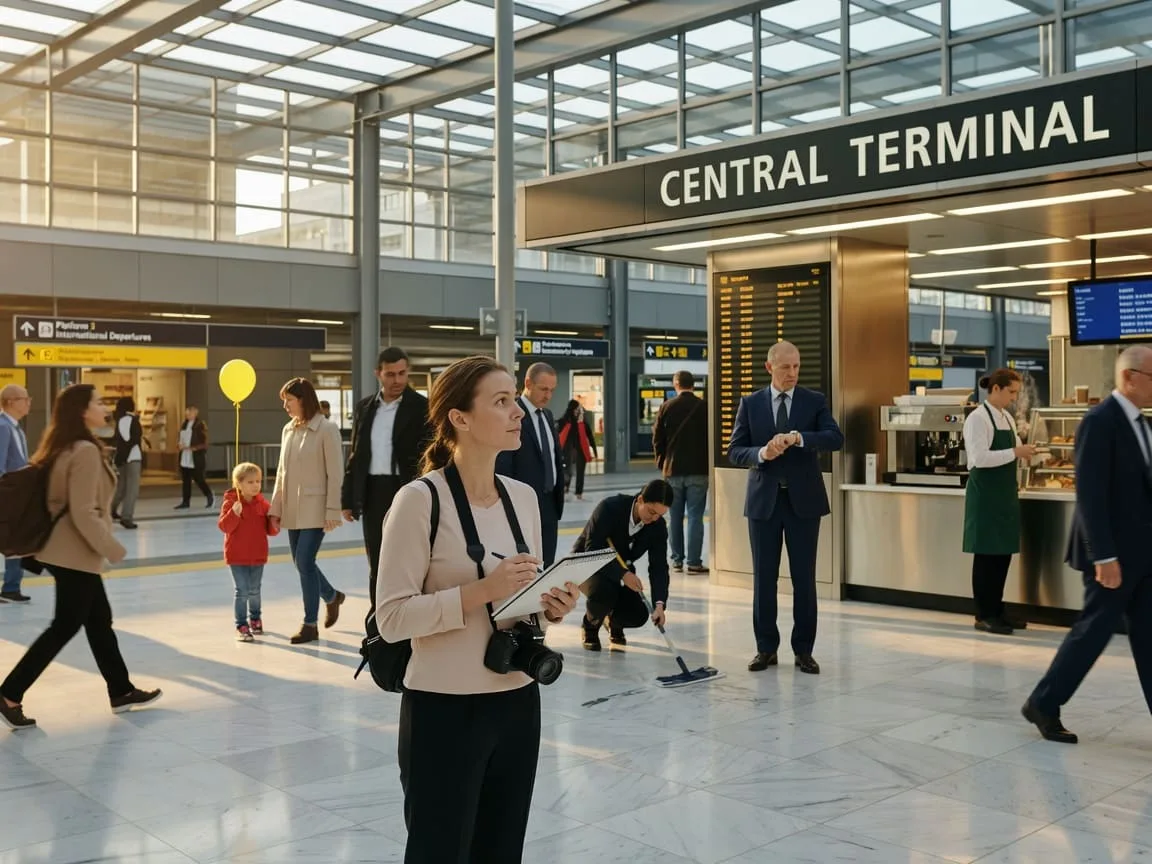
| Model | Realism | Typography | Spatial | Reflections | Physics | Anatomy | Multi-object | Scene reasoning | Cinematography | Overall |
|---|---|---|---|---|---|---|---|---|---|---|
| Nano Banana Pro | 5 | 4 | 4.5 | 5 | 5 | 5 | 4.5 | 5 | 4.5 | 4.8 |
| GPT Image 2 | 4.5 | 4.5 | 5 | 4.5 | 4.5 | 4.5 | 5 | 5 | 4 | 4.8 |
| Nano Banana 2 | 4.5 | 3.5 | 4 | 4 | 4.5 | 4.5 | 4 | 4 | 4 | 4.4 |
| Midjourney V7 | 4.5 | 2 | 3.5 | 4.5 | 4.5 | 4.5 | 4 | 3.5 | 5 | 4.4 |
| *Flux 2** | 4.5 | 3.5 | 4 | 4.5 | 4.5 | 4.5 | 4 | 4 | 4 | 4.3 |
| Recraft V4 | 3 | 4.5 | 4 | 3 | 3 | 2.5 | 4.5 | 3.5 | 3 | 4.1 |
| Ideogram V4 | 3.5 | 5 | 4 | 3.5 | 3.5 | 3 | 4 | 4 | 3.5 | 4.0 |
| Seedream V5 | 4 | 3.5 | 3.5 | 4 | 4 | 4 | 3.5 | 3.5 | 3.5 | 3.9 |
| Grok Imagine | 4 | 3 | 3 | 3.5 | 4 | 4 | 3 | 3 | 3.5 | 3.5 |
1. Nano Banana Pro — best AI image generator overall
Overall 4.8 / 5 — tied for first, and the realism champion
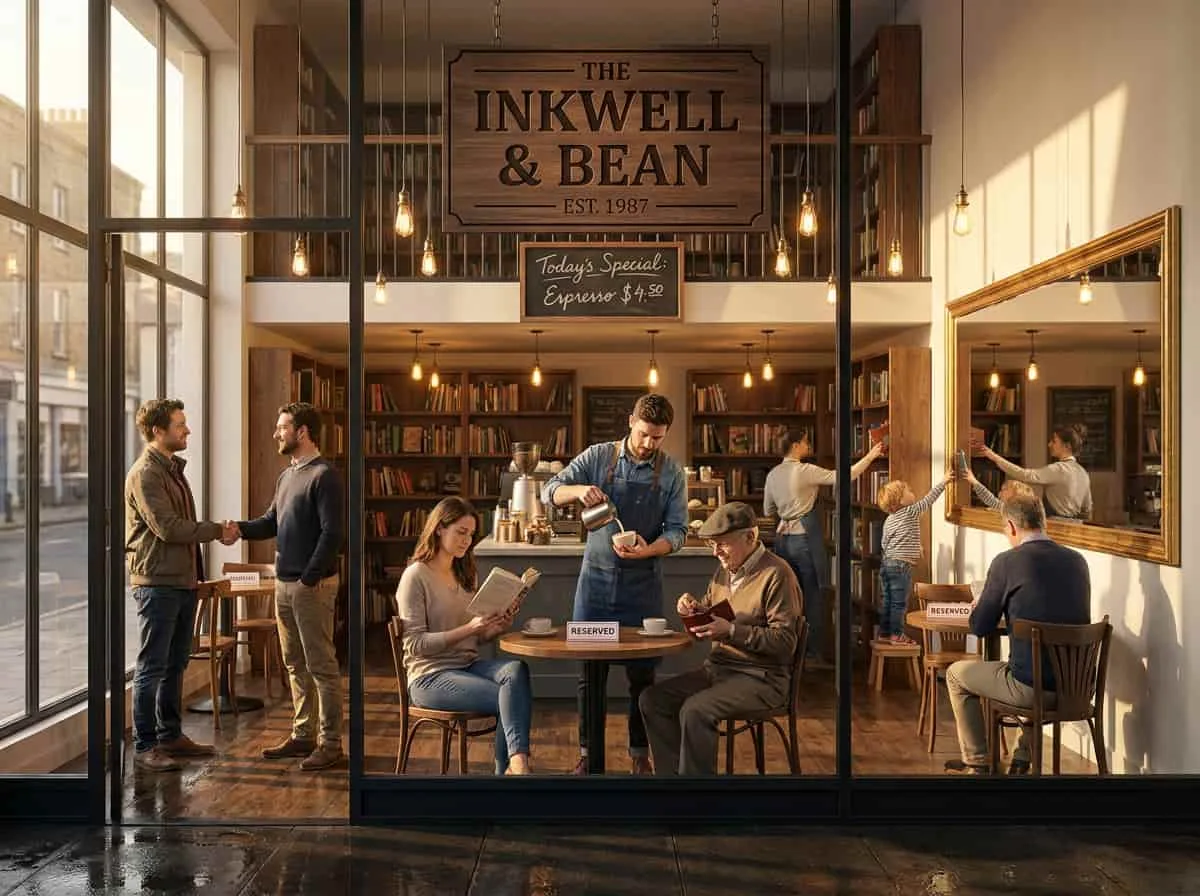
Google's flagship wins because it understands a scene instead of copying the look of one. Realism is a clean 5 — the only model whose output we couldn't reliably tell from a camera at a glance. Physics and reflections lead the field: tip a glass and the liquid pools correctly, a glass surface shows the real objects in the room, and metal, skin, and fabric read as distinct materials. Anatomy is just as strong — five fingers far more often than the field, faces and teeth that survive a zoom.
It gives ground in only two places: spatial reasoning and multi-object consistency sit just below GPT Image 2 on very dense arrangements, and it's tasteful rather than daring, so Midjourney hits harder on pure mood. For correct, believable, do-what-I-said images, nothing else is at its level.
Where it leads
- Realism, physics, reflections, anatomy — the photoreal cluster, all at or near 5
- Long-range scene reasoning: a crowded frame stays coherent
- Follows long, multi-part prompts to the letter
Where it falls short
- Spatial reasoning on very dense arrangements (GPT Image 2 edges it)
- Cinematic mood (Midjourney wins)
- Fewer hard controls than Flux; 4K costs nearly double 2K
Nano Banana Pro is the go-to AI image generation tool for anyone who can pick only one model for any job where the details must be correct — portraits, product, fashion, etc.
Price
$0.13 at 1K/2K, ~$0.24 at 4K via API; ~2 free Pro images/day in the Gemini app.
2. GPT Image 2 — best for marketing-related work
Overall 4.8 / 5 · tied for first; second only on pure photorealism
.webp)
GPT Image 2 ties Nano Banana Pro, and for a lot of work it's the better number one. It wins on reasoning — spatial reasoning, multi-object consistency, and scene reasoning are a clean 5 each. Describe a scene with eight elements in set positions and it honors every one. That obedience, plus strong typography, makes it our first pick for ads: place a headline, a price, and a call to action, then nudge the layout in plain English until it's right. It's also the fastest high-quality model here, with no Discord, settings, or prompt rituals — you describe the image in ChatGPT and get it.
The one gap is realism. GPT images carry a faint glossy sheen, clearest on skin, that a trained eye reads as synthetic. Anatomy, physics, and reflections are all 4.5 — excellent, a hair short of the photoreal champion. For most commercial work no one notices; for a hero portrait that must pass as a real photo, they will.
Where it leads
- Spatial reasoning, multi-object consistency, and scene reasoning — the best here
- Plain-English instruction-following, no learning curve
- Strong typography plus the fastest high-quality output
Where it falls short
A subtle synthetic sheen keeps it just behind on photorealism
- No native 2K/4K; it maxes around 1536px
- Less daring than Midjourney on mood
GPT Image 2 is the best AI image generator for marketing, ads, social, and complex multi-element prompts, done fast by someone who doesn't want to learn a tool. For text-and-speed work, treat it as your number one.
Price
Token-based pricing, roughly $0.01 (low) to $0.17 (high) per image; included with ChatGPT Plus.
3. Nano Banana 2 — best free AI image generator
Overall 4.4 / 5 · best free AI image generator
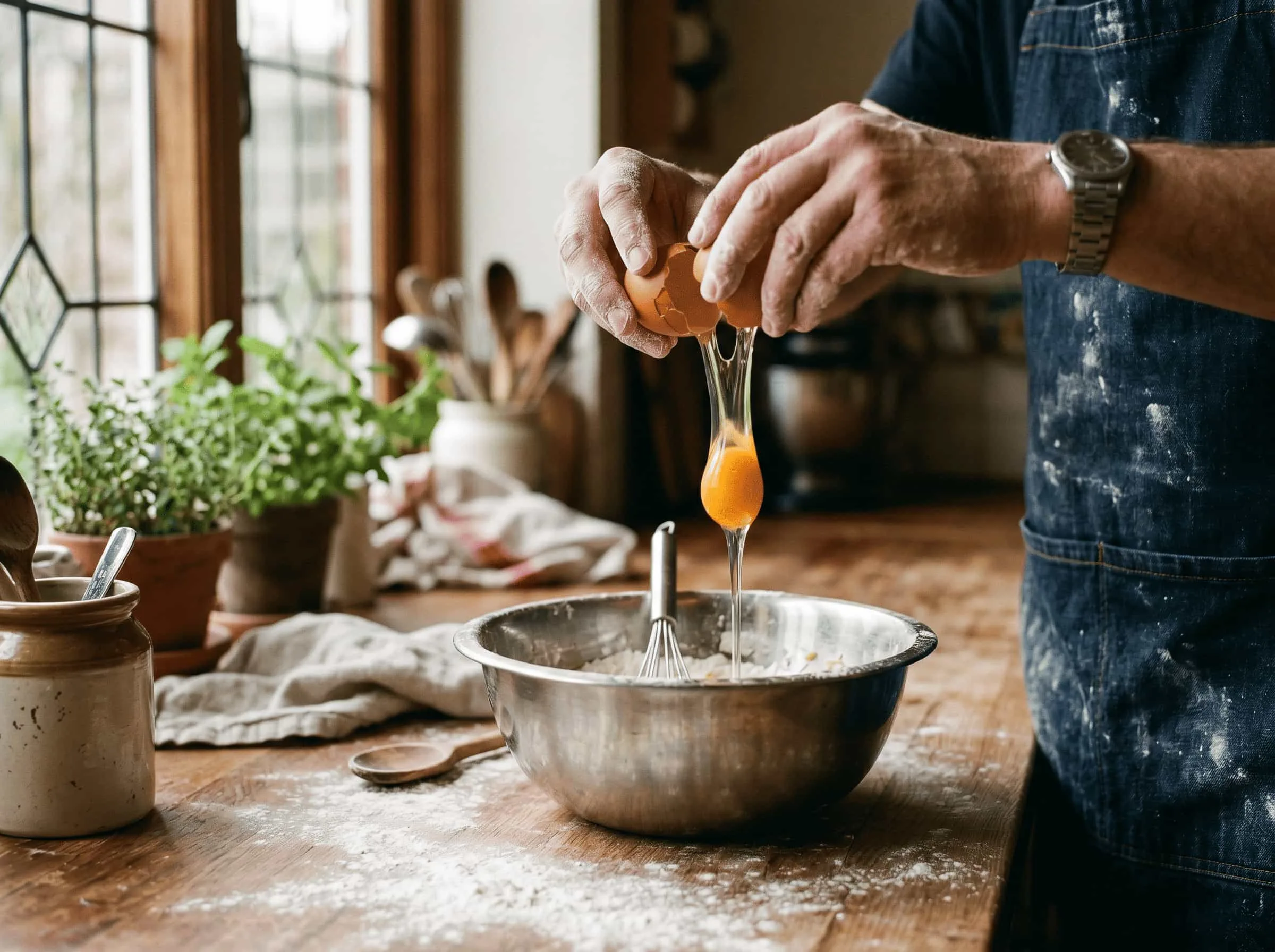
Standard Nano Banana is the best image model you can use for nothing — on a normal prompt most people can't tell it from paid Pro. Realism and anatomy are both 4.5, physics holds up, and it's fast enough to iterate freely, all free in the Gemini app with no card.
The gap to Pro shows only on the hardest metrics: reflections, scene reasoning, and very long prompts lose a little structure, spatial reasoning and multi-object consistency drop to 4, and there's no 4K. None of that matters for drafting, learning, or high-volume work.
Where it leads
- Genuinely free, ~20 images/day in the Gemini app
- Near-Pro realism and anatomy on everyday prompts
- Fast iteration with no friction
Where it falls short
- Reflections and scene reasoning soften on complex frames
- Weaker typography than Pro; no 4K
Nano Banana 2 is the best free AI image generator for high-volume drafting and learning the ropes before paying for anything.
Price
Free in the Gemini app (20/day); API cost is around $0.04.
4. Midjourney V7 — best for artistic and cinematic images
Overall 4.4 / 5 · the cinematography champion
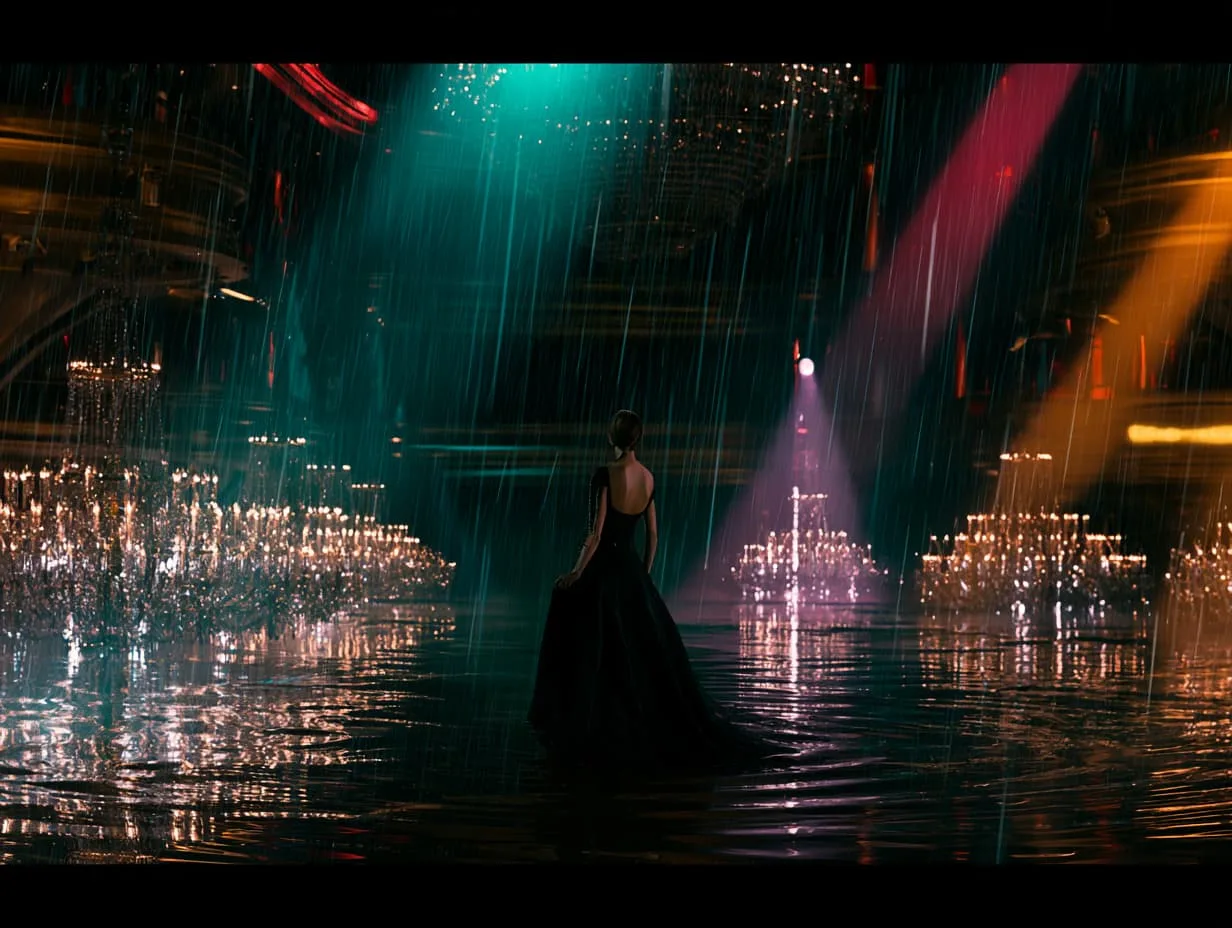
Midjourney makes the most beautiful images here, and on cinematography it's the only 5 in the field — color, composition, lensing, and mood arrive with an instinct the accurate models lack. Realism, anatomy, physics, and reflections are all strong 4.5s, so it's no longer weak on realism. For concept art, album covers, and brand mood, professionals still open it first.
Two metrics keep it out of the top three. Typography is a 2, the worst here — it can't put readable words in a frame. And on spatial and scene reasoning it interprets rather than obeys, so a precise eight-object brief comes back gorgeous but rearranged. You trade control for art.
Where it leads
- Cinematography and mood, unmatched here
- Strong across realism, anatomy, physics, reflections
- Style and character references for a consistent look
Where it falls short
- Typography is the worst in this guide; avoid words
- Interprets rather than obeys precise spatial prompts
- Subscription-only, no free tier
Midjourney V7 is best for illustration, concept art, and any image where beauty beats accuracy and there's no text in the frame.
Price
Subscription only, $10 / $30 / $60 / $120 a month. Starting from $0.05 per image.
5. Flux 2 — best for control and custom workflows
Overall 4.3 / 5
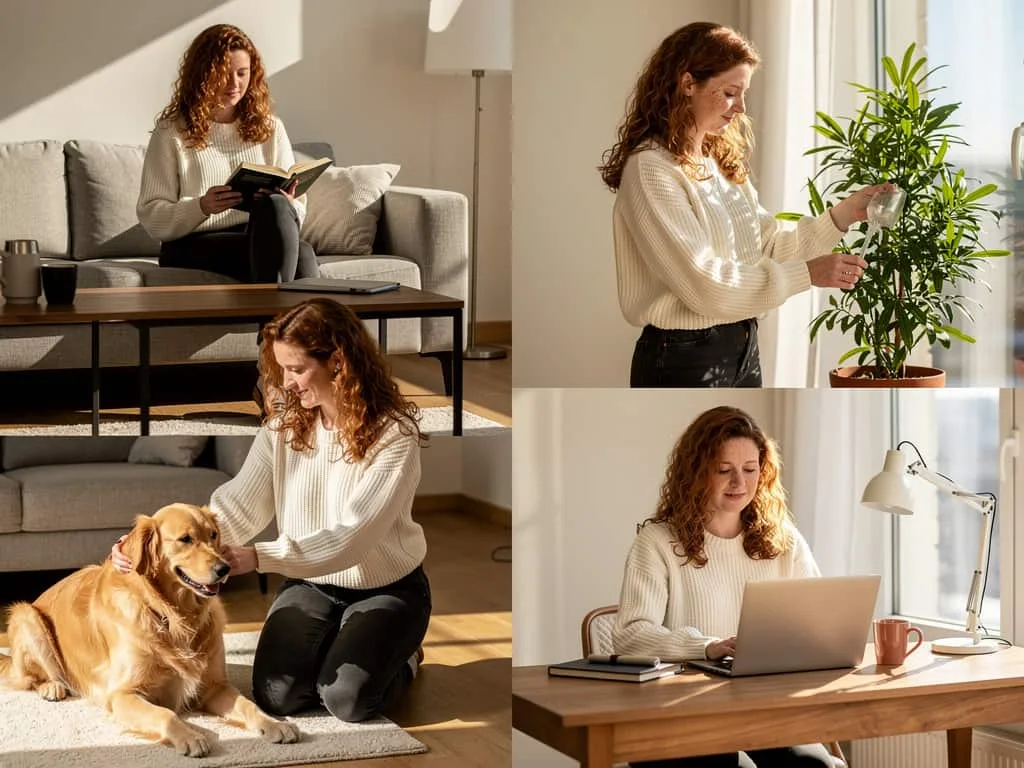
Flux 2 from Black Forest Labs is the model professionals build on. Its image-quality metrics are uniformly excellent, which translates to realism, anatomy, physics, and reflections all 4.5 — but you choose it for control no closed model offers: fine-tune on your own images, train a style, apply structural guidance, or self-host. Being open-weight friendly, it quietly powers a large share of the apps you already use.
The cost is effort. Spatial and scene reasoning sit at 4, a step behind the obedient leaders, and out of the box it asks more of your prompt. Typography is a respectable 3.5. A studio that needs the same look across hundreds of assets, under its own control, has nothing better.
Where it leads
- Unmatched control: fine-tuning, LoRAs, structural guidance, self-hosting
- Uniformly strong photoreal metrics
- Clean commercial rights
Where it falls short
- Real learning curve; not plug-and-play
- Spatial and scene reasoning a step behind the leaders
- True 4K (16 MP) exceeds its 4 MP cap
Flux 2 is ideal for developers and studios who need a repeatable, owned, fine-tuned workflow.
Price
$0.03 (1 MP) to ~$0.06 (2 MP) per image via API; max 4 MP; self-host for compute cost only.
6. Recraft V4 — best for logos and graphic design
Overall 4.1 / 5 · best AI Image generator for graphics design
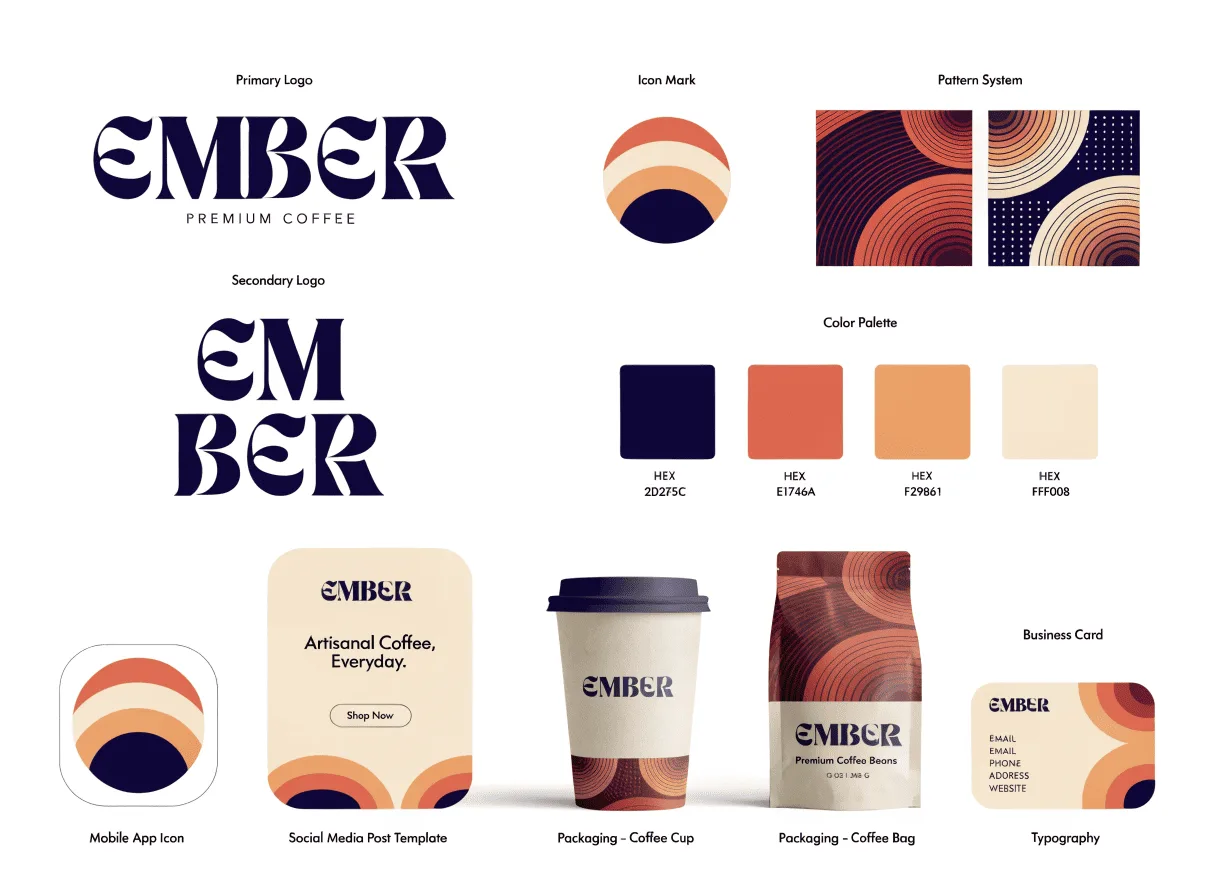
Recraft V4.1 is the only model here built for designers, not photographers, so its low realism (3), anatomy (2.5), and physics (3) are by design. It owns the design cluster: true vector (SVG) output means a logo scales from business card to billboard with no soft edges, and multi-object consistency and typography (4.5 each) keep a brand set coherent. Its brand-style feature trains on your identity, then generates on-brand assets indefinitely.
You don't hire a logo specialist to shoot a portrait. For any mark, icon family, or visual language, Recraft beats every general model here; for a photo of a person, it loses to all of them.
Where it leads
- True vector (SVG) output that scales infinitely
- Brand-style training and strong typography for consistent asset sets
- Logos, icons, illustration systems
Where it falls short
- Lowest photoreal, anatomy, and physics scores here (by design)
- Free-tier output is public with no commercial rights
Recraft V4 is the number 1 choice for logos, icons, illustration systems, and full brand kits delivered as scalable vectors.
Price
$0.04 per image via API; web plans from $10/mo; ~50 free credits/day (public, no commercial rights).
7. Ideogram V4 — best for text in images
Overall 4.0 / 5 · the typography champion
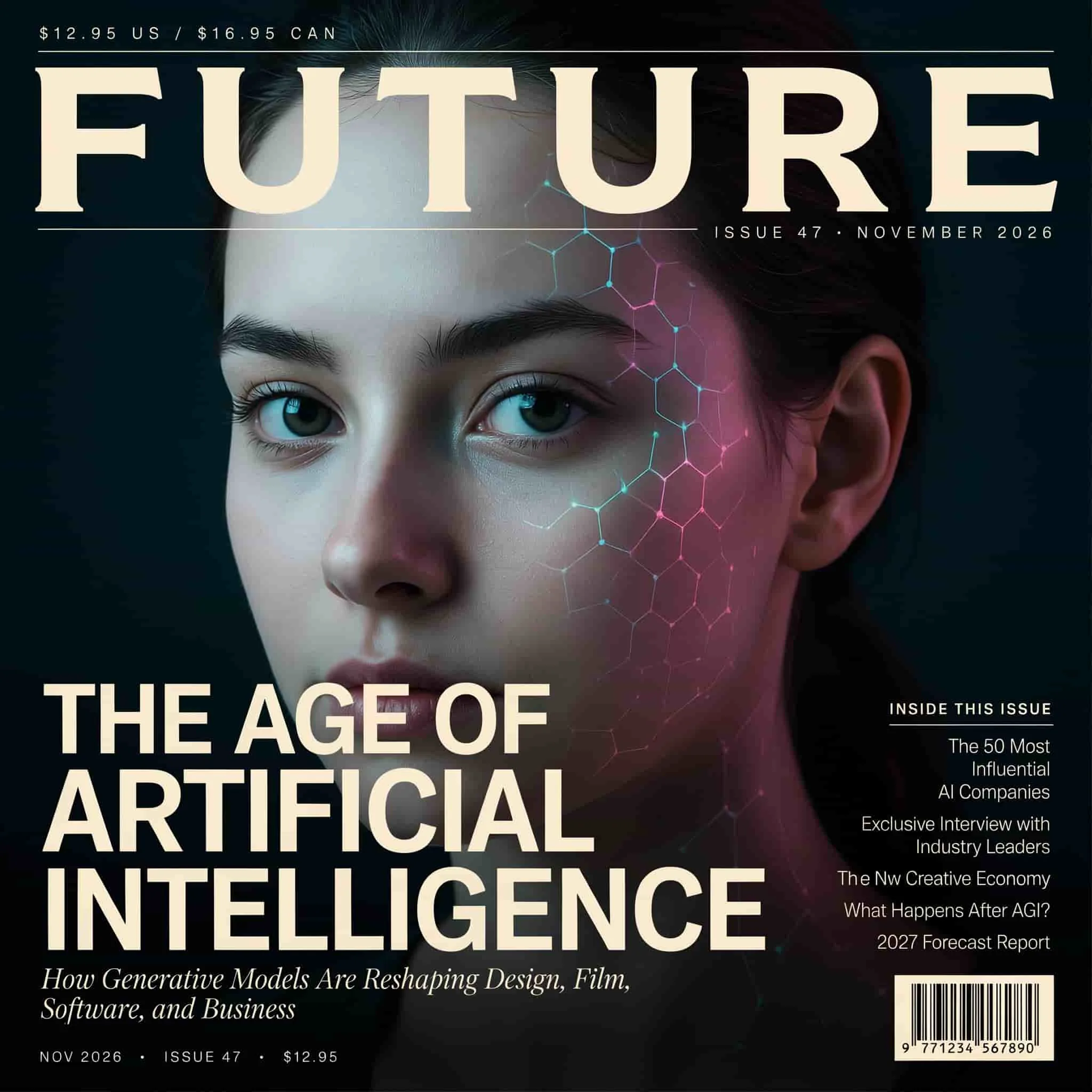
Ideogram solved the hardest problem in image generation first, and on typography it's the only 5 here — long, multi-line text placed accurately, in the right weight, without the melting most models produce past a word or two. For a poster, quote card, or packaging, this is the specialist.
Outside text it's a competent generalist: realism (3.5) and anatomy (3) sit a step behind the top tier, spatial and scene reasoning are solid 4s. One honest note: Ideogram renders type more reliably in isolation, but GPT Image 2 wins the actual ad, because an ad is more than its typography. Choose Ideogram when the type itself is the point.
Where it leads
- The best in-image text rendering, full stop
- Handles long, multi-line copy cleanly
- Strong for posters and typographic layouts
Where it falls short
- Realism and anatomy behind the top tier
- Free output is public; no native 4K
Ideogream V4 is mainly better for posters, signage, quote cards, and any image where the typography is the subject.
Price
Free tier of 10 slow credits/day (~$0.05–0.08/image).
8. Seedream V5 — best value for money
Overall 3.9 / 5
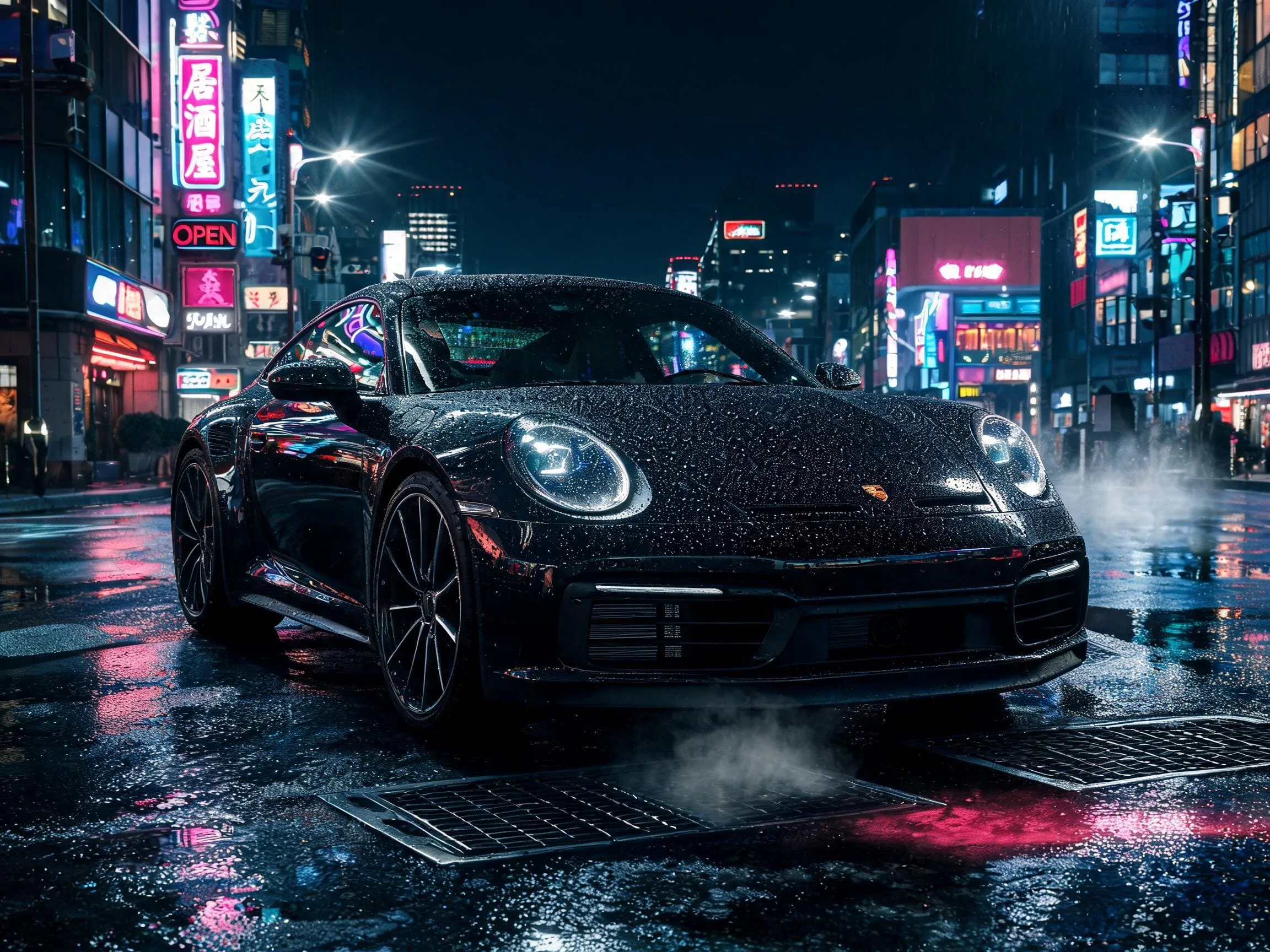
ByteDance's Seedream gives you the most image for the least money. Its photoreal metrics are competitive — realism, anatomy, physics, and reflections all 4 — at a fraction of what the Western flagships charge. At scale, where every image is a line item, that pricing changes the whole calculation.
The compromises are at the edges: multi-object consistency and scene reasoning waver on dense prompts, and its licensing terms are the one thing to read closely before you build a business on it.
Where it leads
- The best quality-per-dollar in the field (~$0.035/image)
- Fast, with solid realism and native 2K/3K
Where it falls short
- Consistency and scene reasoning wobble at the edges
- Licensing needs a careful read; no 4K
Arguably the best AI image model for high-volume generation on a tight budget.
Price
$0.035 per image (official BytePlus); native up to ~3K; no daily free tier.
9. Grok Imagine — best for fewest content restrictions
Overall 3.5 / 5
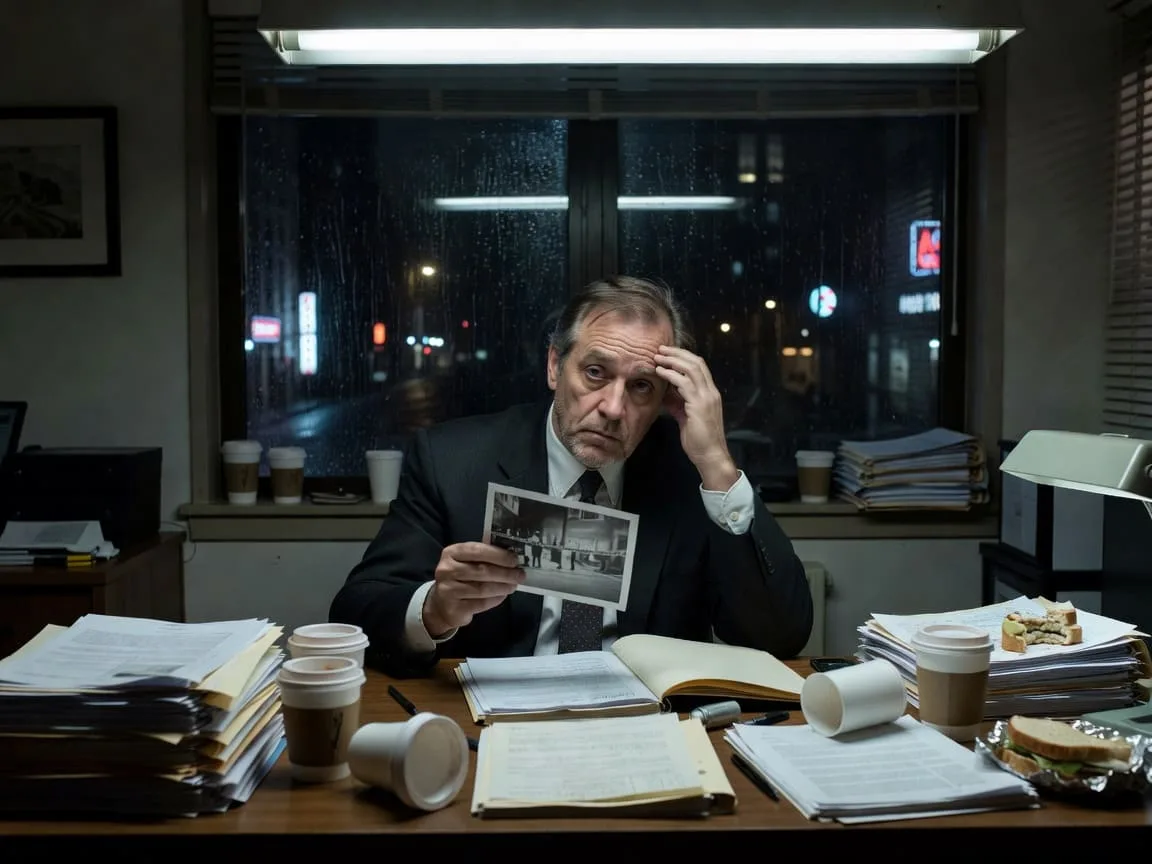
Grok Imagine from xAI earns its spot for one reason: it says yes when other models refuse. Its content limits are far looser, and realism, anatomy, and physics are strong 4s, especially for people and grittier subjects. For creators who keep hitting refusals on legitimate work, it's the release valve.
The cost is reliability. On spatial reasoning, multi-object consistency, and scene reasoning it's the weakest here (3s), it's the most inconsistent run to run, typography is a 3, and its commercial/licensing posture is the murkiest in the guide — which should stop any business cold until the terms are clear.
Where it leads
- The loosest content limits here
- Strong realism and anatomy for people and edgier subjects
Where it falls short
- Weakest reasoning and consistency; most inconsistent run-to-run
- Murkiest commercial/licensing terms
You can use Grok Imagine legitimate work that keeps tripping content filters on other platforms.
Price
Bundled with X Premium / SuperGrok ($30/mo tier); no clean per-image price; free tier limited.
Nano Banana Pro vs GPT Image 2: the head-to-head
Since the top two tie at 4.8, this is the decision most readers actually face. They win on opposite halves of the rubric, and that is the whole answer.
Nano Banana Pro wins the photoreal half.
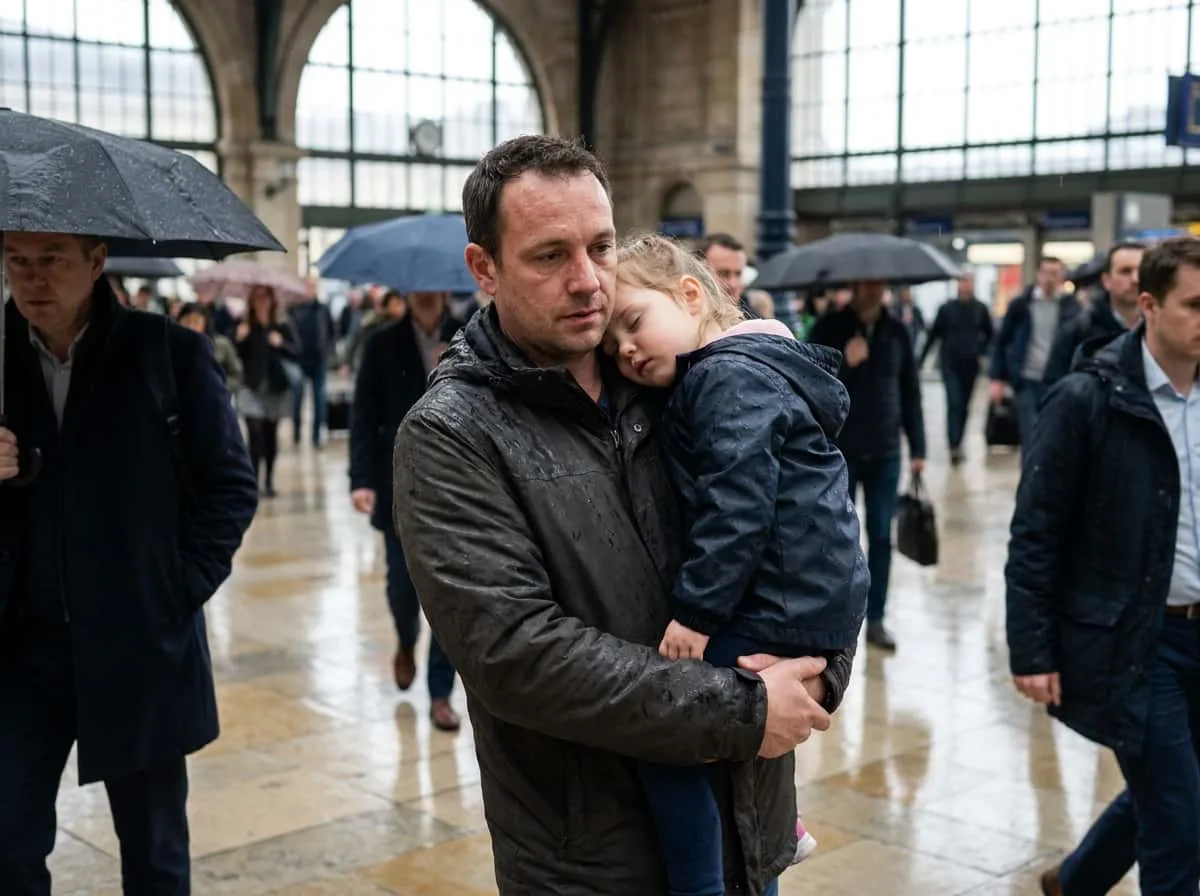
Realism, physics, reflections, and anatomy — if your image has to pass as a real photograph, or a product has to look like real glass and metal, Nano Banana Pro is the safer bet. It is the model for portraits, product photography, fashion, and anything destined to sit next to real photography without looking out of place.
GPT Image 2 wins the reasoning half.
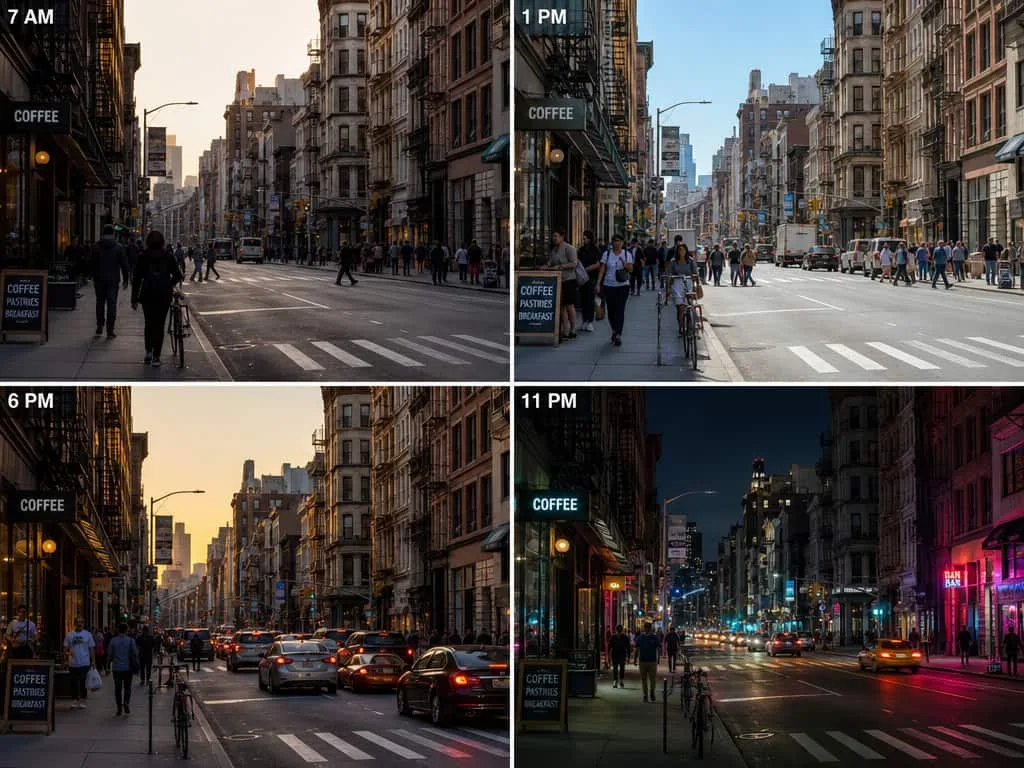
Spatial reasoning, multi-object consistency, scene reasoning, and plain-English obedience — if your image is a composition you need assembled exactly as described, with text in it, fast, GPT Image 2 lands it in fewer attempts. It is the model for ads, social, thumbnails, and any brief where layout and words matter more than the last 10% of photoreal fidelity.
The tie-breaker is workflow, not quality. If you live in ChatGPT and value speed and zero setup, GPT Image 2 is effectively your number one. If you want the most convincing pixels and you will open whatever tool gets them, Nano Banana Pro keeps the crown.
That is the argument for a creative platform: a single subscription that puts many of these models behind one interface.
ImagineArt is the most complete option of this kind, giving you a range of the top image models, plus video and audio models under one roof with editing tools layered on top, so you can run a portrait with one model and a logo with another without juggling accounts.
Higgsfield is another similar option. The only catch is that these platforms rarely have a brand-new model on launch day, and you pay a small margin over raw API cost. For most people that is a good deal, because one bill beats stitching ten tools together. Go direct to a model's own API only when you need its newest version the day it ships, or its lowest price at scale.
How Much AI Image Generation Cost?
A note on honesty: only a few of these price by resolution at all. Google's Nano Banana Pro has real 1K/2K/4K tiers; Flux prices by megapixel; Seedream and GPT charge per image but cap below 4K. Midjourney, Grok, Ideogram, and Recraft sell subscriptions or credits, not per-resolution images.
| Model | 1K | 2K | 4K | Free per Day |
|---|---|---|---|---|
| Nano Banana Pro | $0.13 | $0.13 | $0.24 | 2/day (Gemini app) |
| Nano Banana 2 | ~$0.04* | ~$0.04* | Not native | ~20/day (Gemini app) |
| GPT Image 2 | $0.01–0.17 | Not native | Not native | Limited in free ChatGPT |
| Midjourney V7 | N/A | N/A | N/A | None |
| Flux 2 Pro | ~$0.03 | ~$0.06 | Not supported | None |
| Recraft V4 | ~$0.04 (vector) | Scalable | Scalable | ~50 credits/day |
| Ideogram V4 | $0.05–0.08* | ~$0.08 | Not native | 10/day (public) |
| Seedream V5 | $0.035 | $0.035 | Not offered | None |
| Grok Imagine | Subscription | Subscription | Subscription | Limited / gated |
How AI Image Models Actually Work
Most of these AI image models are diffusion models.
They start with a field of pure random noise and remove it step by step, nudging the static toward something that matches your words, until a coherent image emerges. It is less like painting and more like developing a photograph out of fog — the model has learned, from billions of image-and-caption pairs, what "a fisherman's weathered face" should look like as the fog clears.
That single fact explains the quirks.
Why text was so hard: for years these models treated letters as shapes to imitate, not symbols that have to be spelled correctly, so "RESTAURANT" came out as plausible-looking gibberish. The models that fixed it — Ideogram first, then the 2026 flagships — added training that treats text as text.
Why hands were so hard: a hand has enormous variation and is rarely the sharp focal point of a training photo, so the model saw a million blurry, half-hidden hands and learned a fuzzy average. Better data and bigger models fixed most of it, which is why anatomy scores jumped this year.
Why reasoning improved: the newest models are large enough to encode relationships — left of, behind, on top of — so "the mug to the left of the book" now lands where you asked instead of somewhere plausible.
One model on this list works differently. GPT Image 2 leans on the same transformer architecture that powers ChatGPT, which is part of why it is the most obedient: it reads your prompt much the way a language model reads a sentence, holding every clause in mind, then renders to match. That is the architectural reason it tops spatial reasoning and instruction-following while the pure diffusion models edge it on photographic texture.
The practical takeaway.
Because the output is a probabilistic reconstruction, no two generations are identical, specificity narrows the model toward what you want, and running four and culling beats agonizing over one. You are not commanding a camera. You are steering a guess, and the better your prompt, the better the guess.
AI Image Generation Techniques to Get Better Results
The model matters less than people assume once you know how to ask. These six habits improve your output more than switching tools ever will:
- Think like a photographer
"50mm, shallow depth of field, window light" does more for realism than any list of adjectives. - Be Specific About the Scene
Tell the model exactly what should happen in the frame. Clear instructions like empty New York street after rain, neon reflections, low-angle shot outperform vague aesthetic descriptions. - Generate in batches and cull
The difference between a flat result and a great one is often just the fourth attempt. - Use the right tool for text
If a model is weak at typography, generate the image clean and add the words in a design app afterward. - Upscale at the end
Don't spend credits rendering every draft at maximum quality. Iterate quickly, find the composition you want, then generate the final version at the highest resolution. - Save Your Best Prompts
A prompt that consistently works is reusable infrastructure. The best creators build libraries of proven prompts instead of reinventing their workflow every time.
Frequently Asked Questions
What is the best AI image generator in 2026?
Nano Banana Pro and GPT Image 2 are tied at 4.8 out of 5. Nano Banana Pro takes the number one spot on pure photorealism; GPT Image 2 is the better pick for marketing, in-image text, and ease of use. Beyond the top two: Midjourney for art, Recraft for logos, Ideogram for text.
What is the best free AI image generator?
Nano Banana 2, free inside Google's Gemini app at roughly 20 images a day. It is close to the paid flagships for everyday work and costs nothing.
Which AI model is best at putting text in images?
Ideogram V4 renders type most reliably in isolation. For actual marketing and ads, GPT Image 2 is the better pick because it pairs strong text with higher realism and faster layout control.
Is Midjourney still the best AI image generator?
For cinematography and mood it is still the best, scoring a perfect 5. For realism, reasoning, and any image that needs text, Nano Banana Pro and GPT Image 2 have passed it.
What is the difference between an AI image model and a platform?
A model (Nano Banana, Flux, GPT Image) makes the image. A platform (ImagineArt, Krea) is an app that lets you use many models in one place. This guide ranks the models.
Can I use AI-generated images commercially?
Usually yes on paid tiers, but terms differ sharply by model, and some cheaper or looser ones are murkier. Check the specific model's commercial-use terms before using output in a business.
What is the cheapest AI image generator?
Among paid models, Seedream V5 leads at roughly a cent or two per image. For free, Nano Banana 2 is unbeatable.
Which AI model is best for realism?
Nano Banana Pro, the only model to score a perfect 5 on realism, physics, reflections, and anatomy. GPT Image 2 is a close second, held back only by a faint synthetic sheen.
Which model follows complex prompts most accurately?
GPT Image 2 excels at spatial reasoning and multi-object consistency placing many described elements exactly where you asked.
.webp) AI Faceless Channels
AI Faceless Channels12 Best Faceless AI Channel Ideas That Actually Make Money
Twelve faceless AI channel ideas with the money engine spelled out for each, real earning examples, and five videos to post for every one.
Kamran Arshad13 min Monetization
How to Make Money With a Faceless AI Channel
A hands-on guide on how to make money with AI faceless channels, the tools required to getting started, and all the monetization methods.
Kamran Arshad8 min AI Faceless Channels
How to Create a Faceless AI Channel in 2026: The Stack
Every tool you need to start a faceless AI channel, piece by piece, with real 2026 pricing, the stack behind the famous channels, and two builds you can copy today.
Kamran Arshad13 min