How to Make a Viral Kumar Method Reel With AI
In June 2026, a retired Indian accountant in a black turtleneck looked into a camera and said he was going to become the biggest accounting influencer in the world. Twenty million people watched. Within days he had nearly a million followers from a handful of posts, and the internet had a new template with a name: the Kumar Method.
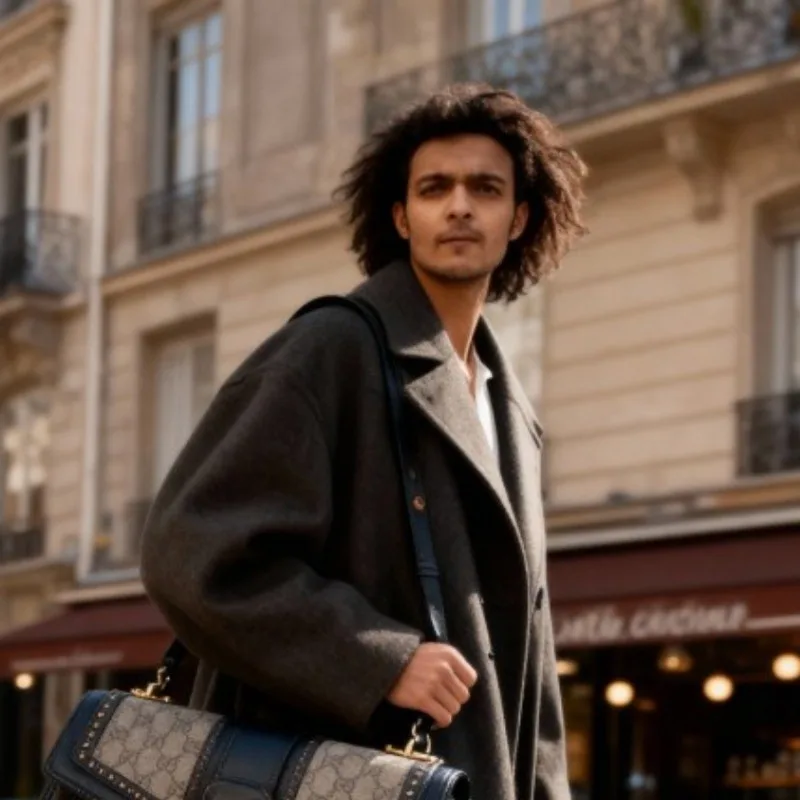
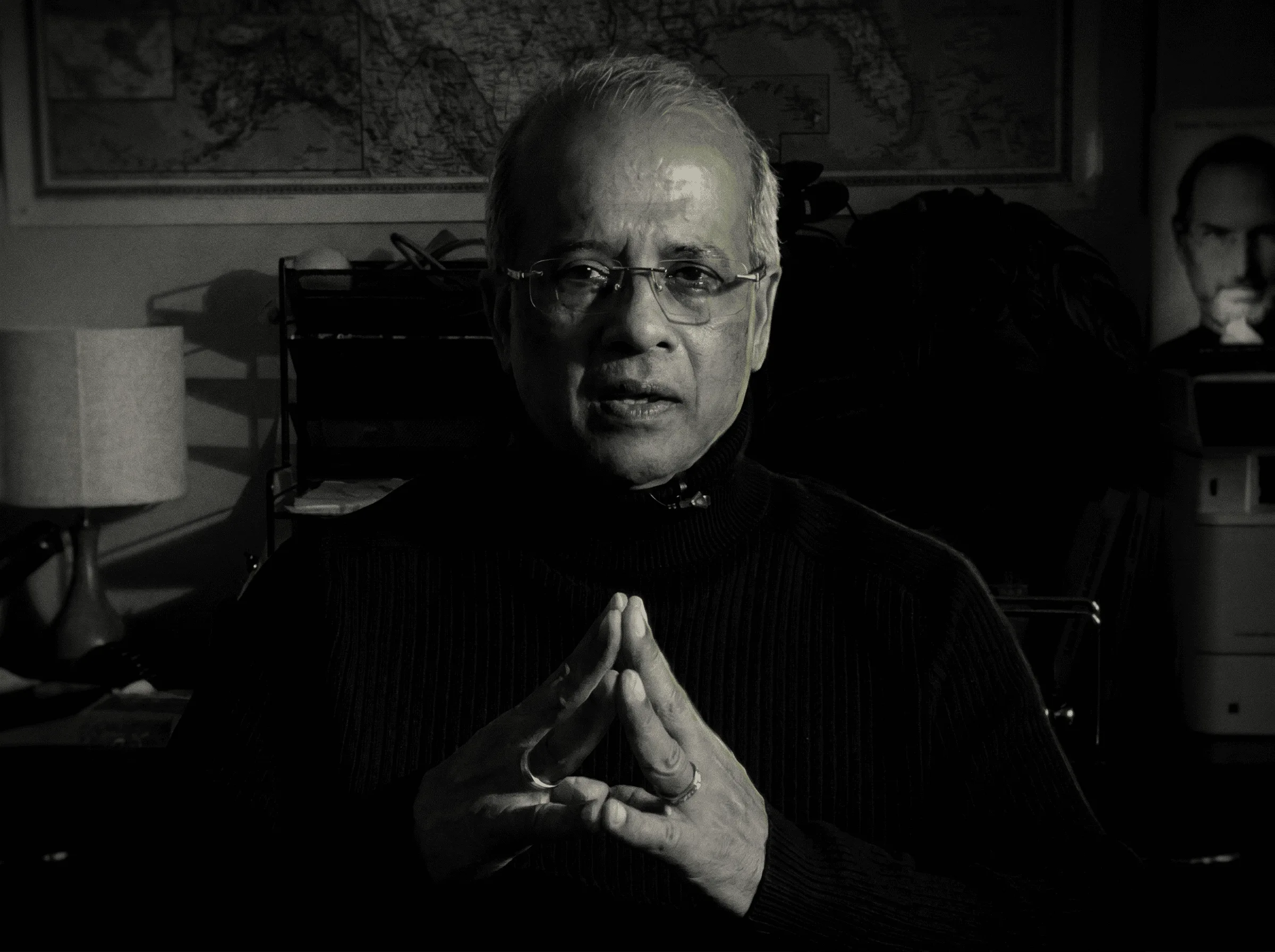
For as long as there has been an internet to be famous on, the path has had the same shape. You start at the bottom. You post into silence. You grind for years, improve in obscurity, and if you are talented and relentless and lucky, you slowly accumulate the thing everyone is chasing: an audience that believes you are SOMEBODY. In June 2026, a retired Indian chartered accountant looked into a camera and skipped the entire staircase.
Then the imitations started. Thousands of them. Plumbers, dentists, lawyers, marketers, entrepreneurs — everyone suddenly shooting their dull profession like a prestige thriller. And here's the part most people missed: a large share of those imitations weren't filmed at all. They were generated with AI, by people who never picked up a camera.
This is a guide to doing exactly that — making a cinematic, Kumar-style reel with AI tools, for the price of a coffee and an afternoon. But to make one that actually works rather than one that just looks the part, you have to understand why the original detonated. So we'll start there, fast, and then build.
First, Why the Kumar Reel Actually Went Viral
The reel was running five levers at once, and every one of them is something you can deliberately copy. Master these and you're not hoping to go viral
It broke the pattern.
Every feed is flooded with the same person: young, glossy, fast-talking, ring-lit. Kumar — a calm older man with the bearing of someone who has signed real balance sheets — was a visual anomaly. Anomalies stop the thumb before a word is spoken.
It weaponised contrast.
The dullest subject on earth, shot like a thriller. That mismatch — boring thing, epic frame — is irresistible, because the brain treats the gap as a puzzle it wants to resolve.
It pre-sold a system.
Calling it "the Kumar Method" implied a whole body of knowledge behind the curtain — a curriculum, a secret worth saving for later. The name promised depth before any depth was shown, and gave people a reason to follow.
It earned the save.
The real signal wasn't views — it was that people saved the reel. A save tells the algorithm the content has lasting value, and it rewards that with far more reach than a like. That's what turned a spike into a wave.
It signalled authority.
Lighting, framing, pacing, and a steady confident voice did the job a résumé usually does. We are wired to read cinematic polish as seriousness.
"My name is Kumar. I'm a retired accountant. And I'm going to steal your jobs by becoming the biggest accounting influencer in the world."
The Expensive Part of Going Viral Is Now Free
Look closely at Kumar's five levers and you'll notice four of them never cost a cent. The pattern break, the contrast, the named "Method," the format built to be saved — all four are pure nerve and a good script. A street vendor with a phone could pull every one of them. They've been free and available to anyone, in any decade, bold enough to reach for them.
The fifth was the toll booth. Looking cinematic — the lighting that sculpts a face, the lens that flattens a background into butter, the grade that makes ordinary footage feel important — that took a crew, a kit, an editor, a colourist, and a budget most people never had. And that price tag was the whole point.
For a hundred years, looking expensive was the credential, because only serious operations could afford to look serious. It's why a retired accountant in 2006 with Kumar's exact idea and exact swagger would have filmed it under a kitchen bulb and vanished without a trace. Same man, same words — undone by a frame that screamed amateur before he finished his first sentence.
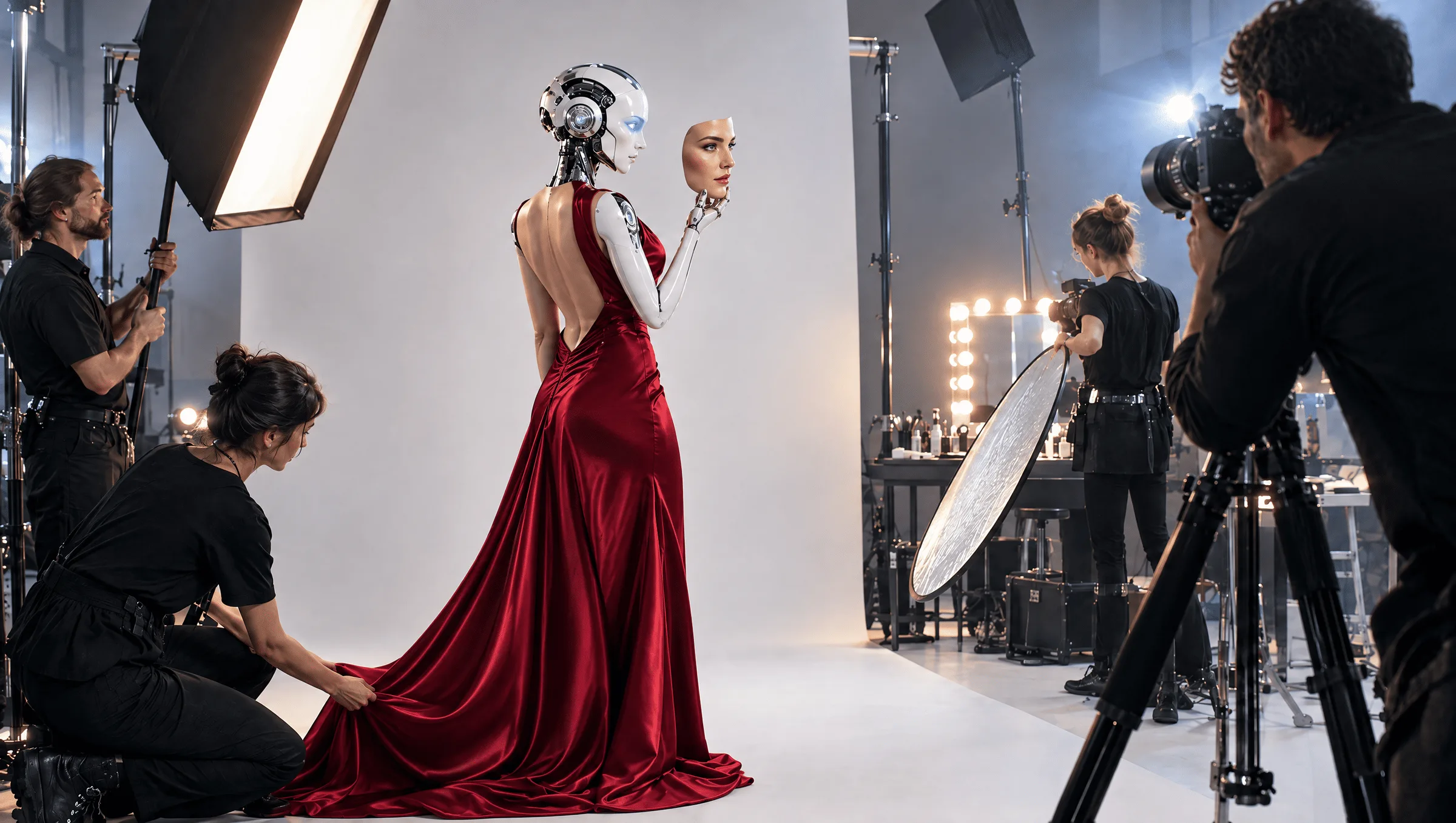
That toll booth is now unmanned. In 2026, the exact prestige-film look that made Kumar's declaration land — the part that used to cost a fortune and keep everyone else out — can be generated by AI for a few dollars, with no camera and no crew.
And this isn't theory. Within days of his reel, creators were rebuilding that same cinematic frame with AI, well enough that you couldn't tell the difference. The most expensive ingredient in the recipe just became the cheapest. The gate everyone was queuing behind has no one standing at it anymore.
"What a production house once charged a fortune and a fortnight to deliver, you now do alone, before dinner, for the price of a sandwich."
How to Make a Cinematic Kumar-Style Reel With AI
How the viral Kumar Method actually works, and the exact AI tools to make a cinematic, scroll-stopping reel with no camera, no crew, and no budget.
Start With a Subject People Find Boring
Everyone copying Kumar copies the turtleneck. They've got it backwards — the turtleneck is decoration, the boredom is the weapon.
Accounting wasn't a handicap he overcame with style. It was why the style worked. The eye slides past a beautiful video about a beautiful thing; it snags on a beautiful video about a dull one, because the mismatch is a question the brain can't drop — why is this being filmed like it matters?
So don't chase the exciting topic. Take the one people's eyes skate over — tax, logistics, spreadsheets, whatever unglamorous thing you know in your domain— and shoot it with the gravity of a confession. The wider the gap between dull subject and cinematic treatment, the harder the thumb stops. Your boring expertise was never the problem. It's the advantage nobody else is brave enough to use.
Win the First Three Seconds
Nobody decides to watch your reel. They decide, in three seconds, whether to keep watching — before a single point has landed. Everything rides on your opening line.
Kumar's worked because it was a declaration, not an introduction. "I'm going to steal your jobs and become the biggest accounting influencer in the world" announces a plot and casts him as the hero. You don't stay for accounting — you stay to see if someone this certain pulls it off.
Open the same way: plant a flag, not a handshake. A claim people will itch to argue with, a promise of something they've quietly wondered, or a mission stated like the ending's already decided. Then get out fast — 30 to 60 seconds, no "hey guys." Conviction doesn't clear its throat.
Choose Your Face
Every cinematic reel needs a face the camera can fall for. Two honest ways to get one.
Use your own. Give a strong image model a small spread of clear photos — a portrait, a mid-shot, a couple of angles, not one selfie — and ask it to build a character sheet: a fixed, reusable version of your face and wardrobe. Nano Banana Pro and ChatGPT's image model are the best at this in 2026. The range of angles matters more than any single shot — it's what keeps you looking like you instead of a stranger who drifts with every cut.
Or invent one. Prefer to stay off camera? Have the same models build a character from nothing — a silver-haired figure in a turtleneck, a sharp young operator, whoever fits — and lock that face into a sheet you reuse forever. A recurring face becomes a brand, and people follow faces more readily than topics.
Either way, you walk out with one consistent character you fully control.
Turn That Face Into Cinematic Video
A still character is a photograph. A moving one is cinema — and motion is where most AI reels fall apart, the face quietly ageing or shifting into someone else by the end of the clip. Holding it steady is the real craft, and you have two ways in.
The faster way — copy a reel you love. Video models like Seedance 2.0 let you hand over a reference video — an existing reel whose motion and energy you want — and drop your character into it. You're not stealing the content; you're borrowing the choreography, the way a musician covers a song. Quickest route to something that already feels directed.
The freer way — build from a prompt. Skip the reference and describe the shot yourself: entrance, camera move, mood, light. More control, more room to make it yours.
Either way, two rules keep the face from melting: show it clearly head-on in the first beat before any dramatic angle, and name the identity explicitly while building the character sheet — features, hair, wardrobe — so every shot anchors to the same person. Stable face first. Fancy camera move second.
Build It in Short Clips, Then Merge
Don't generate the whole reel in one take — AI video is sharp in short bursts and falls apart over long ones. That's not a limitation to fight; it's how good editors have always worked.
Build in pieces: the entrance, the core line, the closing punch. Generate each as its own short clip, then assemble them into a 45-to-60-second whole. Cut hard every few seconds — it holds attention and hides the seams between generations. Lay a tense, simple score underneath and sync the cuts to its beat. Done right, it stops reading as "AI video" and starts reading as something made — paced, deliberate, directed.
Learn to Reverse-Engineer Any Reel
This is the step that separates someone who makes one good reel from someone who makes fifty — and no tool can hand it to you.
When a reel stops your scroll, take it apart. Who's in frame, and where? How does the camera move? Where's the light? What's the colour, the mood, the sound, the timing of the text? That breakdown — subject, setting, motion, light, style, sound — is the recipe. Learn to hear it like a musician hears a song they want to play.
Two rules keep your version from collapsing: describe your character in the exact same words every time ("the man," never "a man" then "him," or the face mutates), and change one thing at a time so you learn what actually fixed it. Master this and you stop copying reels — you start composing them.
The One Thing the Tools Will Never Hand You
Everything above works. The light, the consistency, the cinematic motion — downloadable, promptable, cheap. The packaging that made a retired accountant look like the lead of a thriller is yours for an afternoon.
But packaging was never why Kumar won. It was the cost of admission — the wall that for a century left talented people stranded under kitchen lighting, never wrong about their talent and never seen. That wall is gone, which means soon everyone will have the polish. So polish stops being the prize and becomes the floor.
What stays rare is what was always rare: a sharp idea, a character worth watching, and the nerve to look down a lens and declare — without flinching — who you've decided to become. The cinematic frame buys you three seconds. Whether anyone stays for the next fifty comes down to whether there was anything underneath the lighting.
The camera, the crew, the budget — none of them is your excuse anymore. Kumar proved the formula; the tools just made it free to run. Which leaves the only question that ever mattered: now that you can make everyone look, what will you say that's worth staying for?
Go make the reel. For the first time, nothing's stopping you but you.
 Monetization
How to Make Money With a Faceless AI Channel
A hands-on guide on how to make money with AI faceless channels, the tools required to getting started, and all the monetization methods.
Kamran Arshad8 min.webp) AI Faceless Channels
AI Faceless Channels12 Best Faceless AI Channel Ideas That Actually Make Money
Twelve faceless AI channel ideas with the money engine spelled out for each, real earning examples, and five videos to post for every one.
Kamran Arshad13 min AI Faceless Channels
How to Create a Faceless AI Channel in 2026: The Stack
Every tool you need to start a faceless AI channel, piece by piece, with real 2026 pricing, the stack behind the famous channels, and two builds you can copy today.
Kamran Arshad13 min