

AI now handles the slow parts of video production. It logs footage, builds a rough assembly, writes captions, and cuts ten platform versions from one master while you get coffee. The constraint has moved. The old question was whether a small team could produce video at all. The new question is whether the video is worth watching, and that answer still comes from people.
Creative Direction Comes Before the Tool
A model will happily turn "make a promotional video" into something. That is the problem. It fills the vacuum you leave with its own guesses.
Direction is the work of closing that vacuum before anything renders: who the video is for, the single problem it addresses, the tone, and the one action you want at the end.
Compare two briefs. "A hotel advert" gives the tool nothing to hold onto. "A calm, unhurried film for couples booking a quiet winter weekend, ending on a soft call to check dates" gives it a target.
The teams that get consistent results write the second kind of brief every time, and they write it before they open the software.
Briefing is More Important than Prompting
Prompting gets talked about as a technical craft. In practice it is the old craft of briefing, typed into a box.
A prompt that returns something usable names the purpose, the audience, the length, the points that must appear, the tone, what to avoid, and the call to action. Those are the same things a good creative brief has always named.
Treat the first output as a draft. Teams that expect to run three or four passes, adjusting the instruction each time, get far better results than teams that expect the first generation to be final.
Editing Judgment is What the Tool Hands You Back
An AI editor can assemble a first cut, surface the clean takes, and strip dead air. An agentic video editor can take the assigned grunt work off your plate and give you a rough assembly to react to. What it cannot give you is the decision that follows: whether a scene runs long, whether a transition is showing off, and whether the piece actually lands.
The hardest edit is always the cut. A video stuffed with everything you could say is weaker than one that says the thing that matters and stops. The machine does the labour. You remain responsible for the result.
Storytelling Keeps People Watching
A good marketing video gives the viewer a reason to stay. Even thirty seconds benefits from a spine: a problem the audience recognises, a shift, and a place they land.
A product demo becomes a story the moment you show the before, the during, and the after rather than a feature list.
As production speeds up, thin stories get more obvious, not less. Higher resolution only makes an empty idea easier to see. The skill worth protecting is the one that decides what the video is really about.
Consistency, Fact-Checking, & Audience Sense
AI-assisted footage drifts. Colour, lighting, a character's face, even the product can change from one generated scene to the next, so teams need a system: locked references, brand colours, caption styles, and a final review of every cut.
The same discipline applies to accuracy. Verify prices, dates, names, and claims before publishing, and check the rights on footage, music, and voices. This matters most in health, finance, and education, where a wrong number does real damage.
Audience sense ties it together. A loyal customer and a first-time viewer need different messages, and only a person can decide which cut goes to whom.
If you are producing high-volume creative for paid social, our roundup of the best AI UGC ad tools is a useful map of which platforms suit which audience.
Frequently Asked Questions
Does AI replace video editors?
No. AI handles repetitive editing work such as logging footage and rough assembly, but the decisions that shape a video, such as pacing, story and what to cut, still depend on human judgment.
What is the most important AI video skill for marketers?
Creative direction. A clear brief that defines the audience, the message and the desired action does more for the final video than any single tool or prompt.
Is prompting a technical skill?
Prompting is closer to briefing than to coding. The best prompts read like a creative brief: purpose, audience, length, key points, tone, and the call to action.
Join 2,700+ Marketers & Solopreneurs
Get practical AI playbooks and exclusive discounts on the tools you actually use directly in your inbox every Saturday.
 Publishing Frequency
How Much Video Content Should Your Brand Publish?
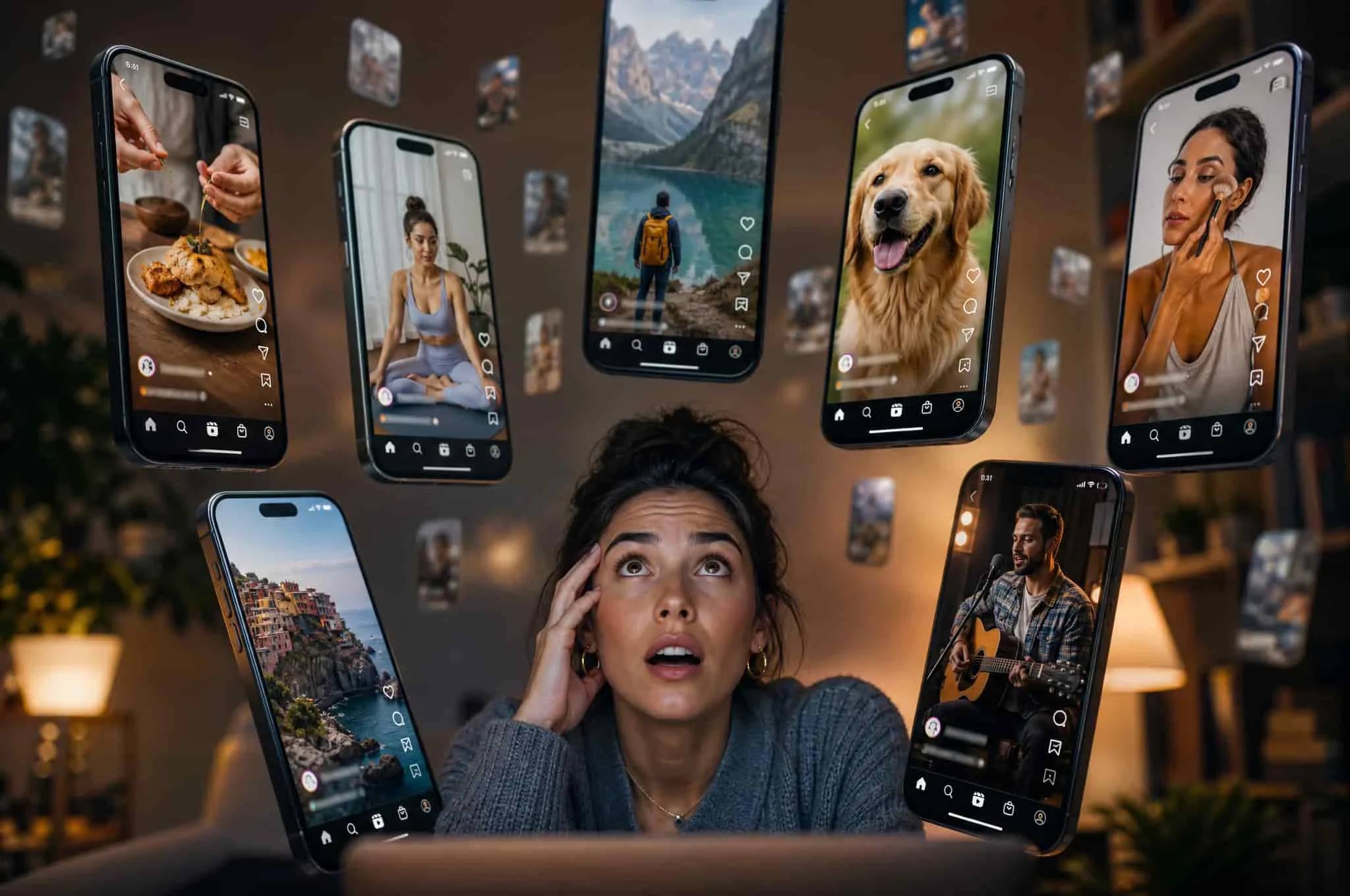
AI lets a brand publish something new every day. That is exactly the trap. The constraint that protects your marketing now is editorial judgment.
Olivia Vance6 min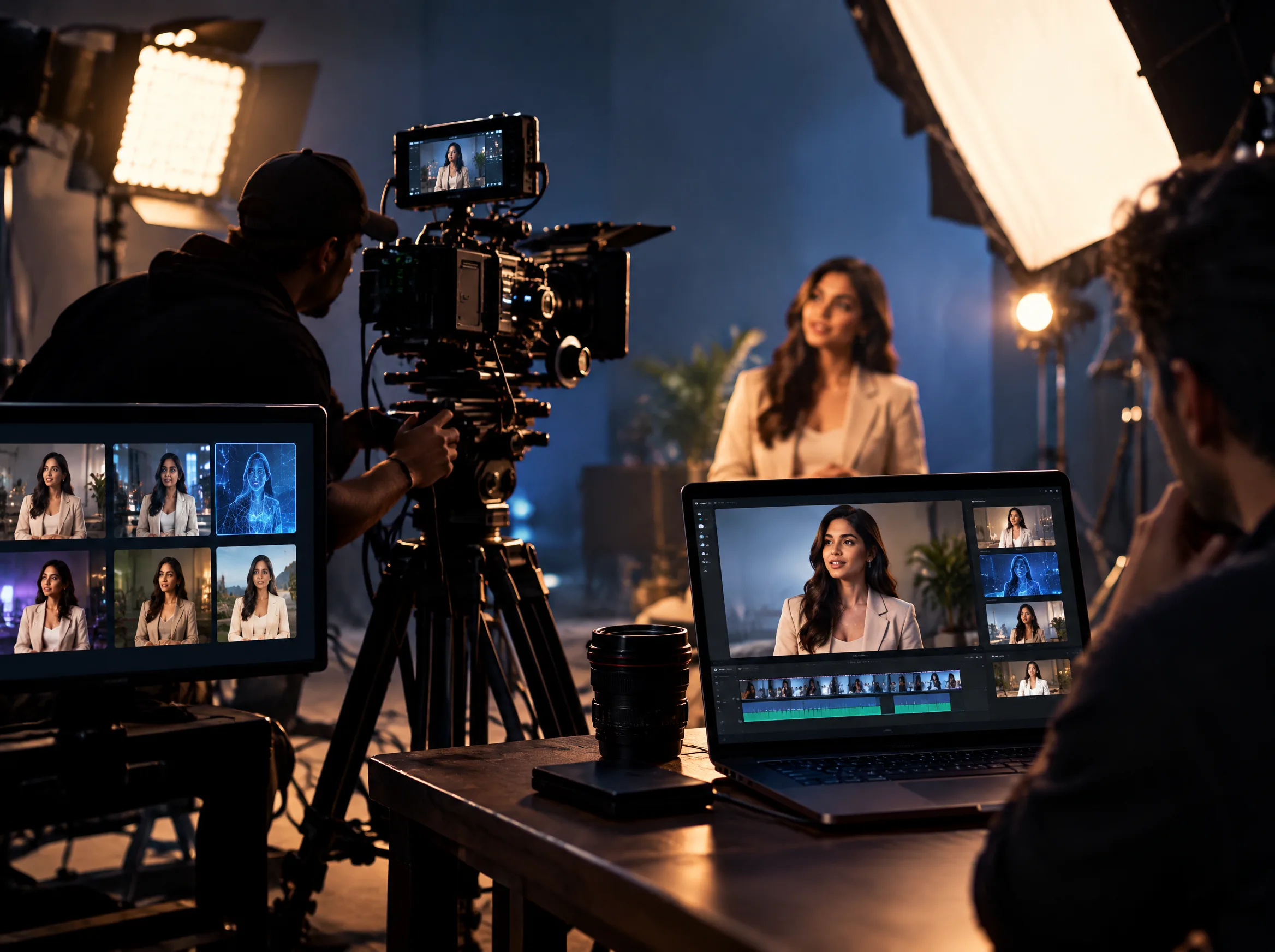 AI in Marketing
How AI Is Changing the Cost of Video Marketing
AI does not make video production free. It moves where the time and money go. Here is how the economics actually shift, and where to reinvest what you save.
Olivia Vance4 min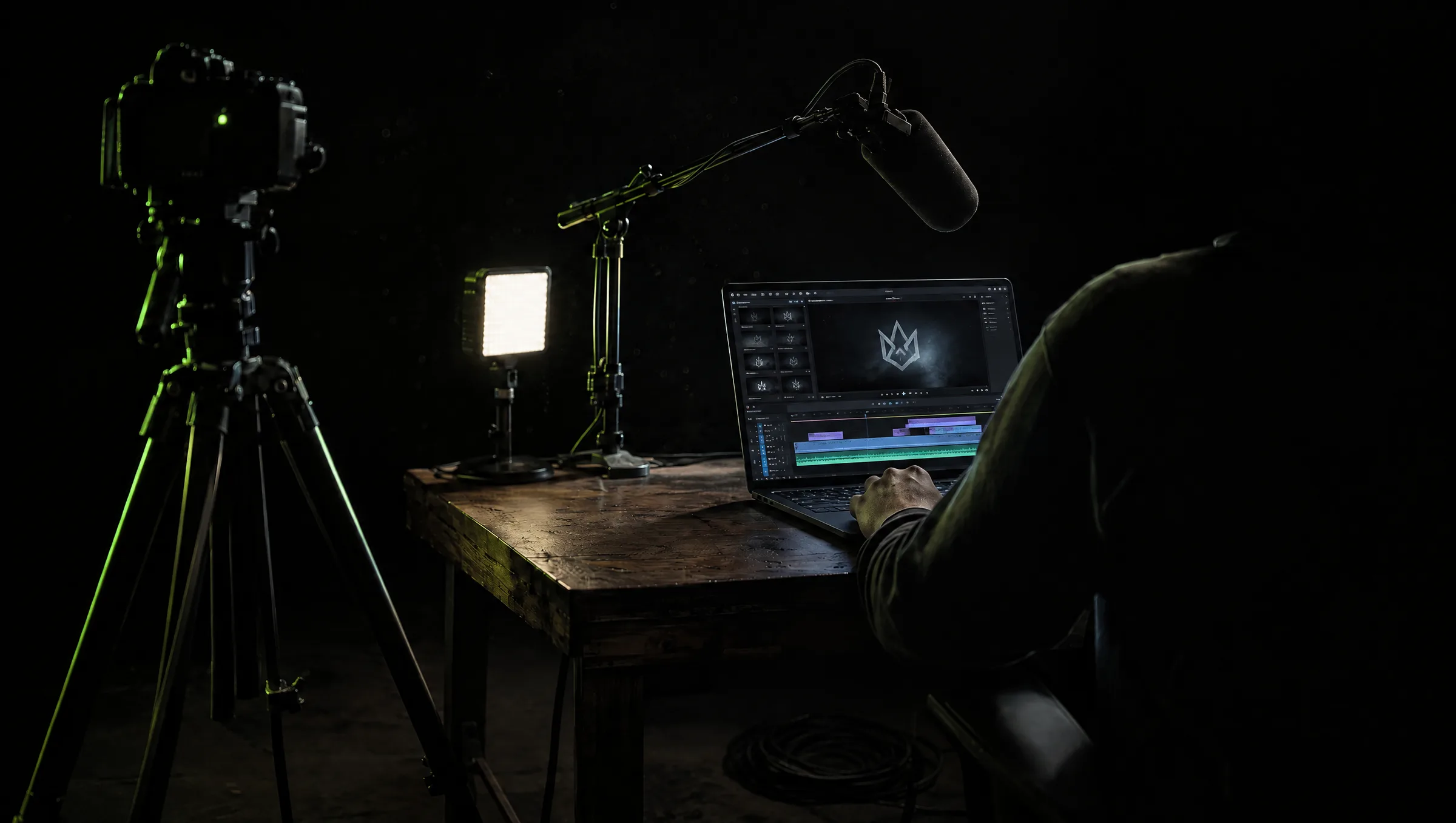 AI Video Production
How to Run a One-Person AI Video Studio
Better cameras, browser editing, and AI have made the solo video studio a real business model. Here is how to run one without letting quality slip.
Olivia Vance4 min