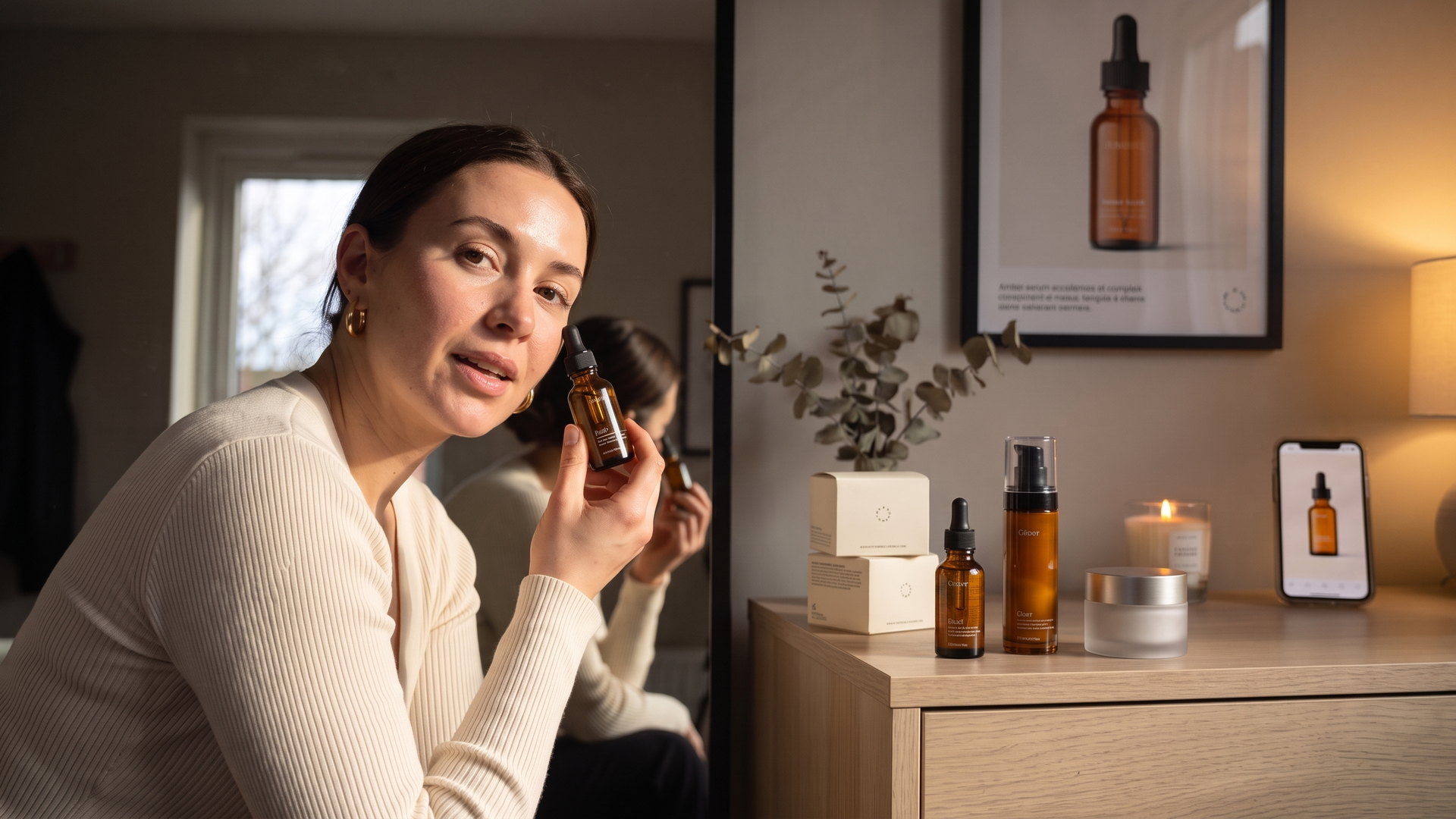
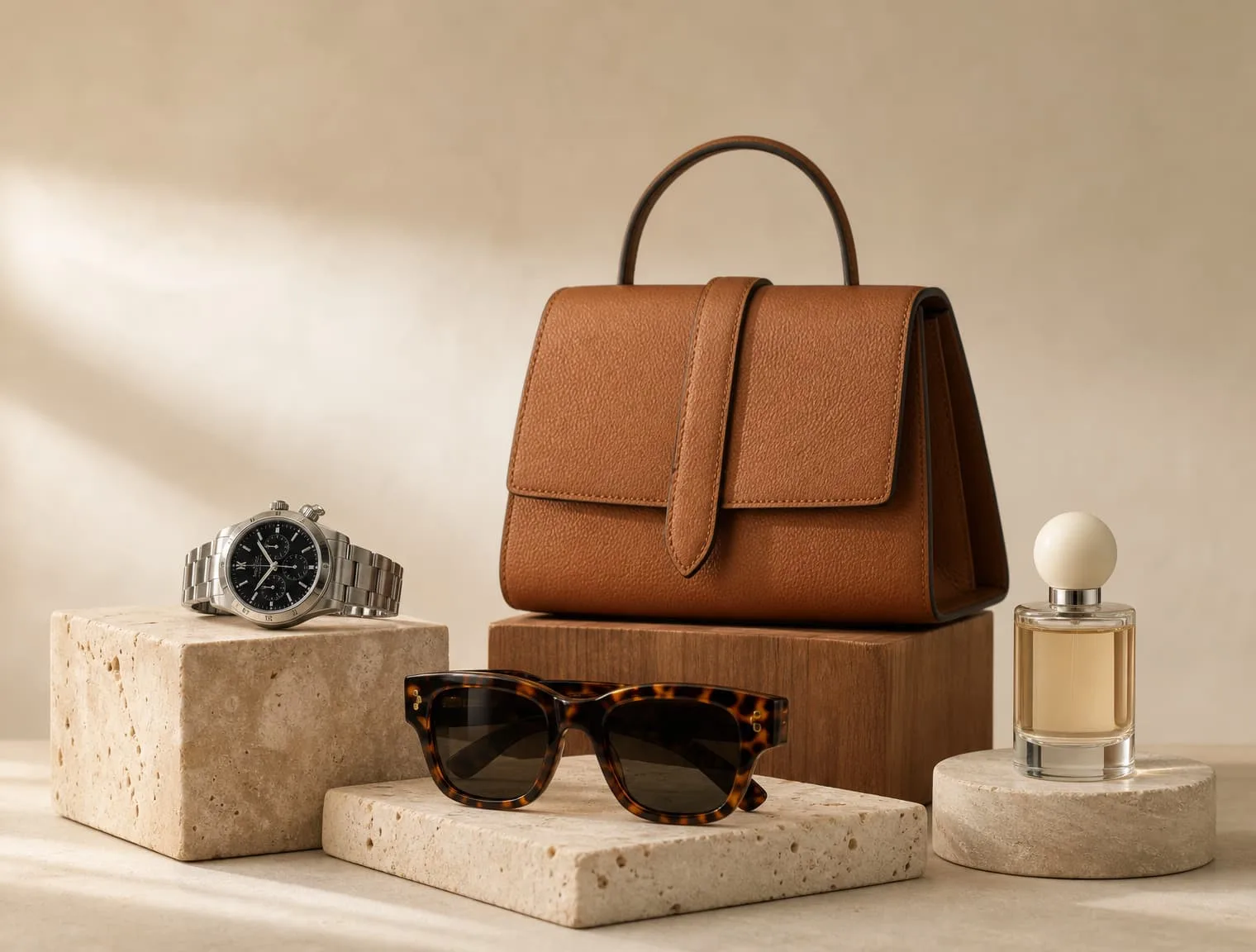
Product photography used to be a fixed cost every store dreaded. A studio, a photographer, a full day of shooting, and an invoice that stung. AI image models have quietly dismantled most of that. You can now produce a clean packshot, place a product inside a styled lifestyle scene, or swap the background across a hundred listings for a few cents each. E-commerce is unforgiving in a way art is not, though. The image has to be your actual product, with the real label and the real details, and nothing invented. So we ran the same brief through six of the best models, across six real store jobs, and compared what came back.
What product imagery actually demands
A gallery-worthy render is worthless if it sells the wrong thing. Product imagery has a different job than art, and it is worth being blunt about what matters before choosing a tool.
Product fidelity. The image must be your product, not a plausible cousin of it. A model that invents a strap, a button, or a logo does not save money. It generates returns and chargebacks.
Readable text. Packaging copy, labels, and on-image callouts have to render cleanly. This is exactly where most models still struggle, and exactly where a shelf shot needs them to succeed.
Backgrounds you can control. Swapping a cluttered background for clean white, or dropping a product into a lifestyle scene, is the most common e-commerce task of all. You want an editor, not only a generator.
Consistency across a catalog. Fifty listings should look like one brand. Reference-image support turns fifty separate gambles into a coherent set.
Resolution and cost at scale. You need enough resolution for zoom, and a per-image cost that survives a thousand SKUs.
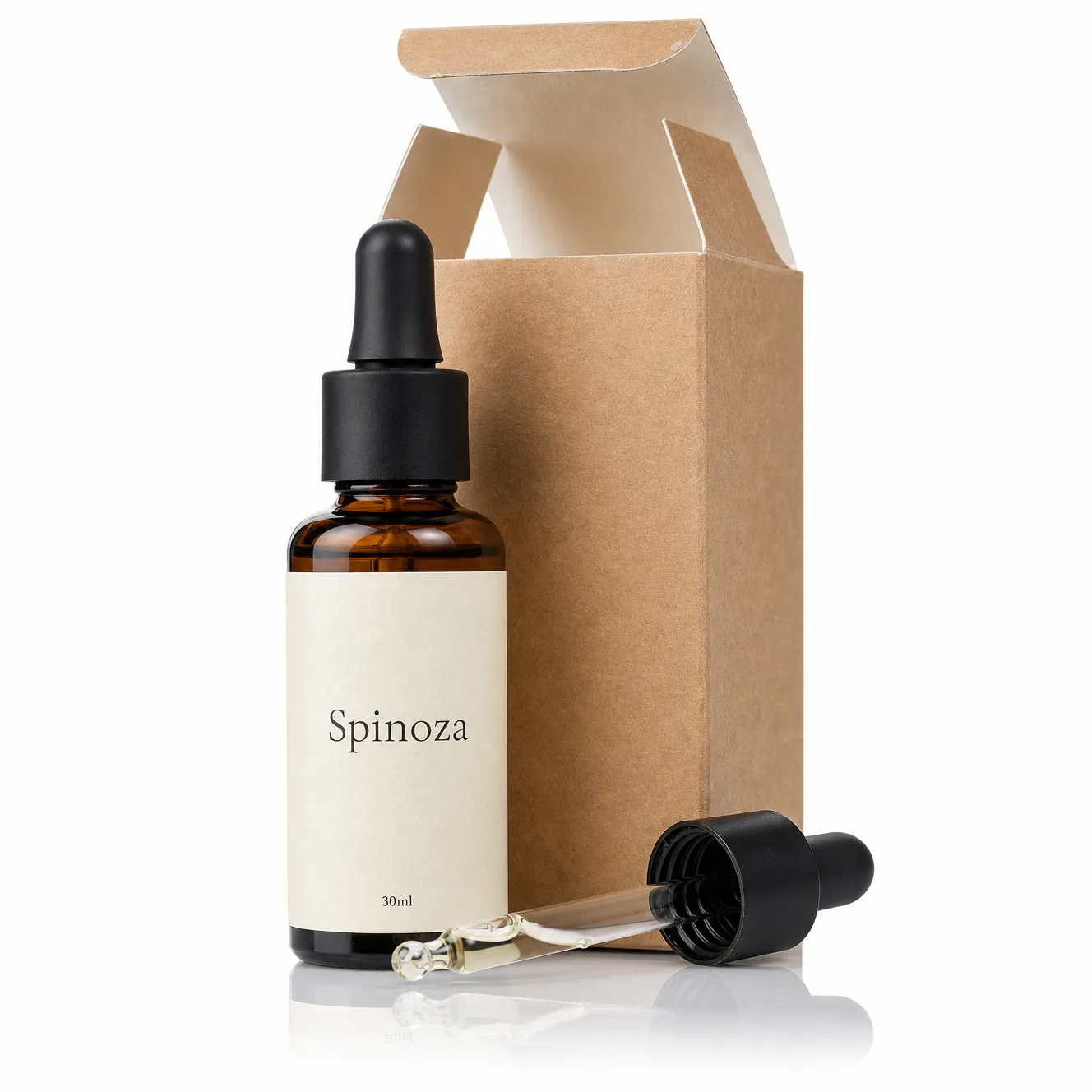
To see how that plays out, we gave all six models the identical brief for a clean packshot. Same product, same lighting, same instructions.
Identical brief, six models. Judge product fidelity and whether the ‘Spinoza’ label holds together.
GPT Image 2 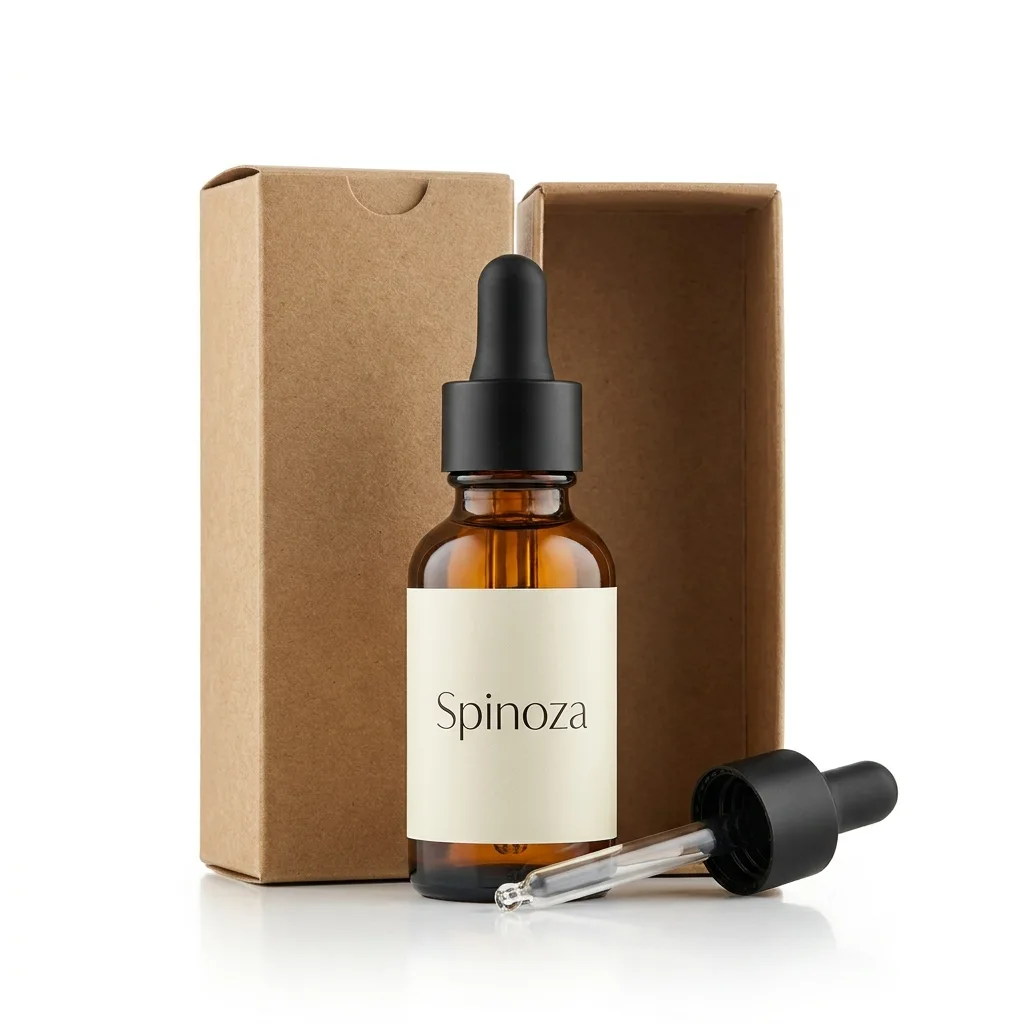
Nano Banana Pro 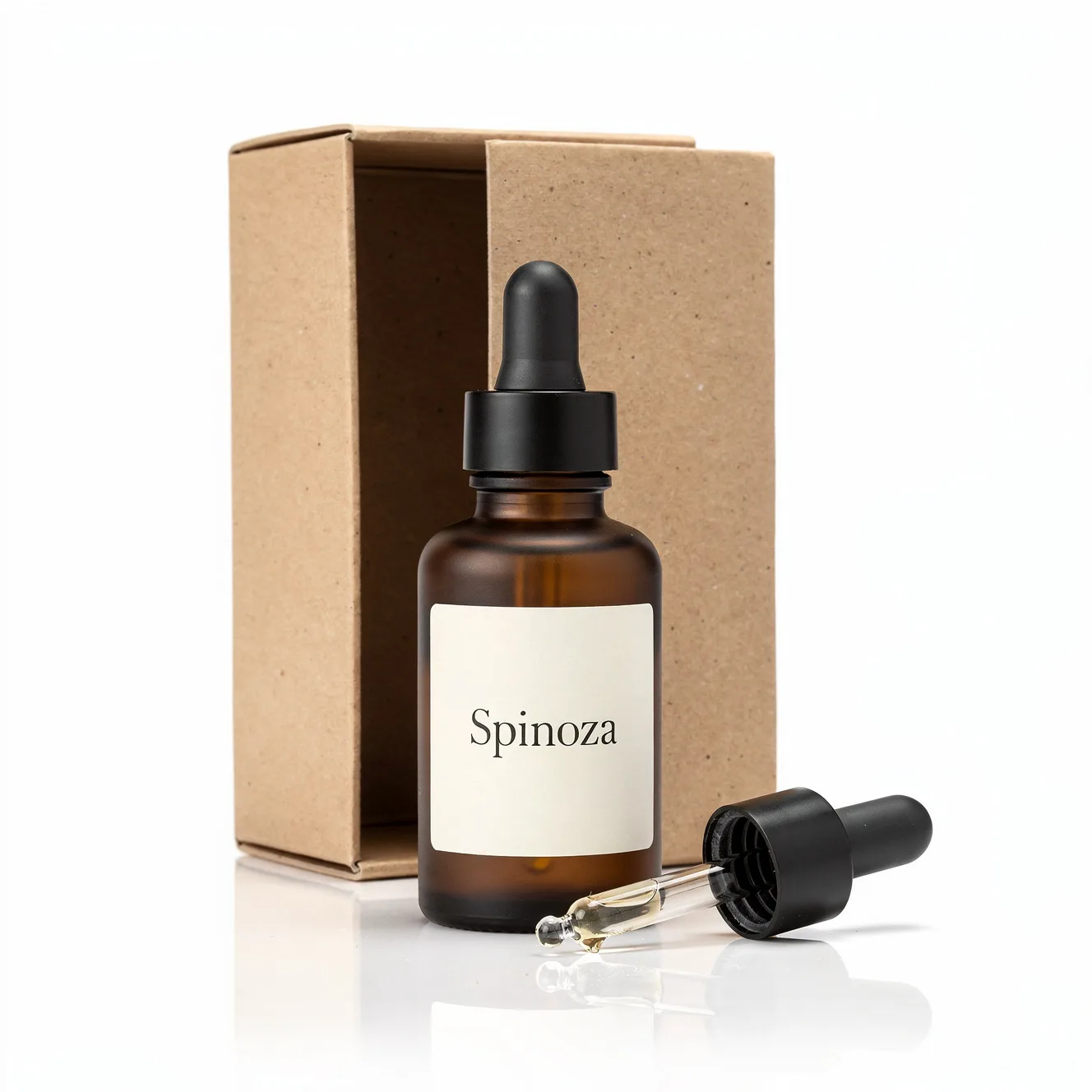
Flux 2 Pro 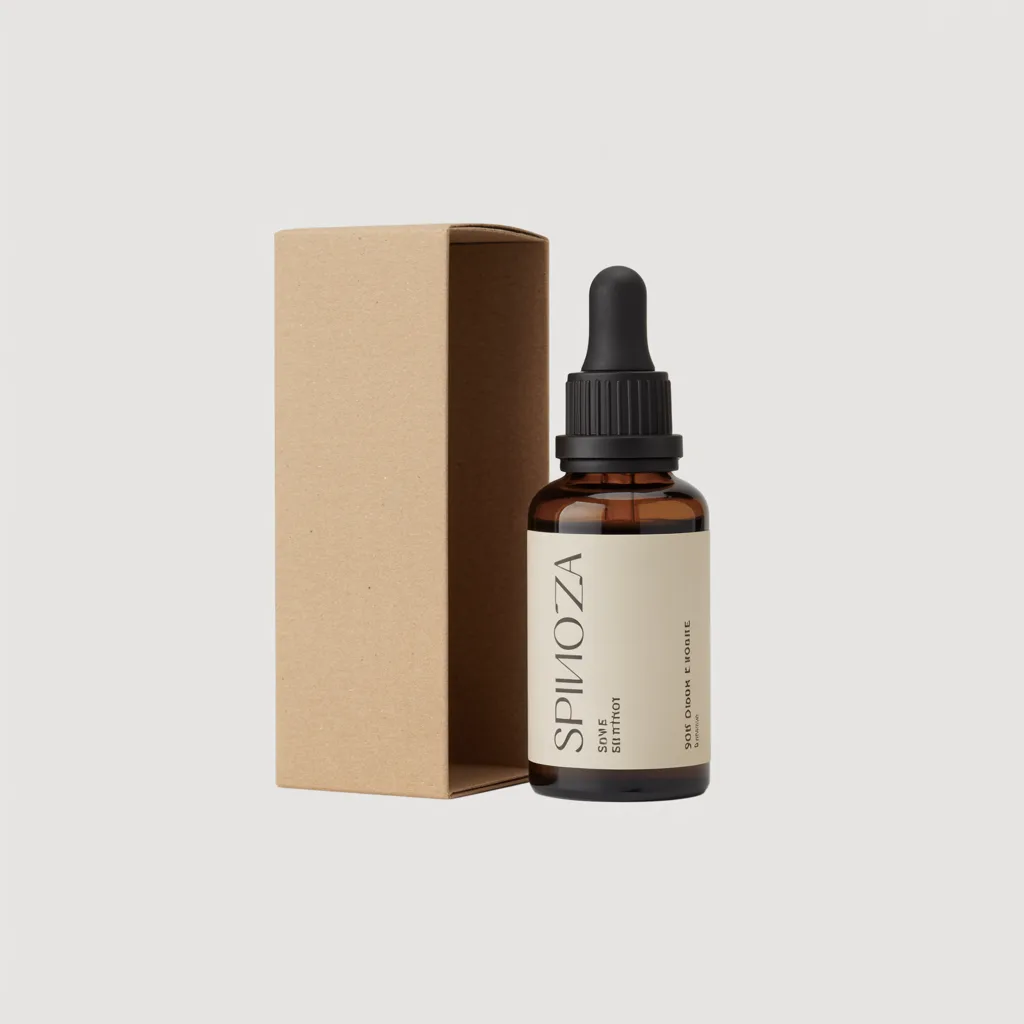
Ideogram V4 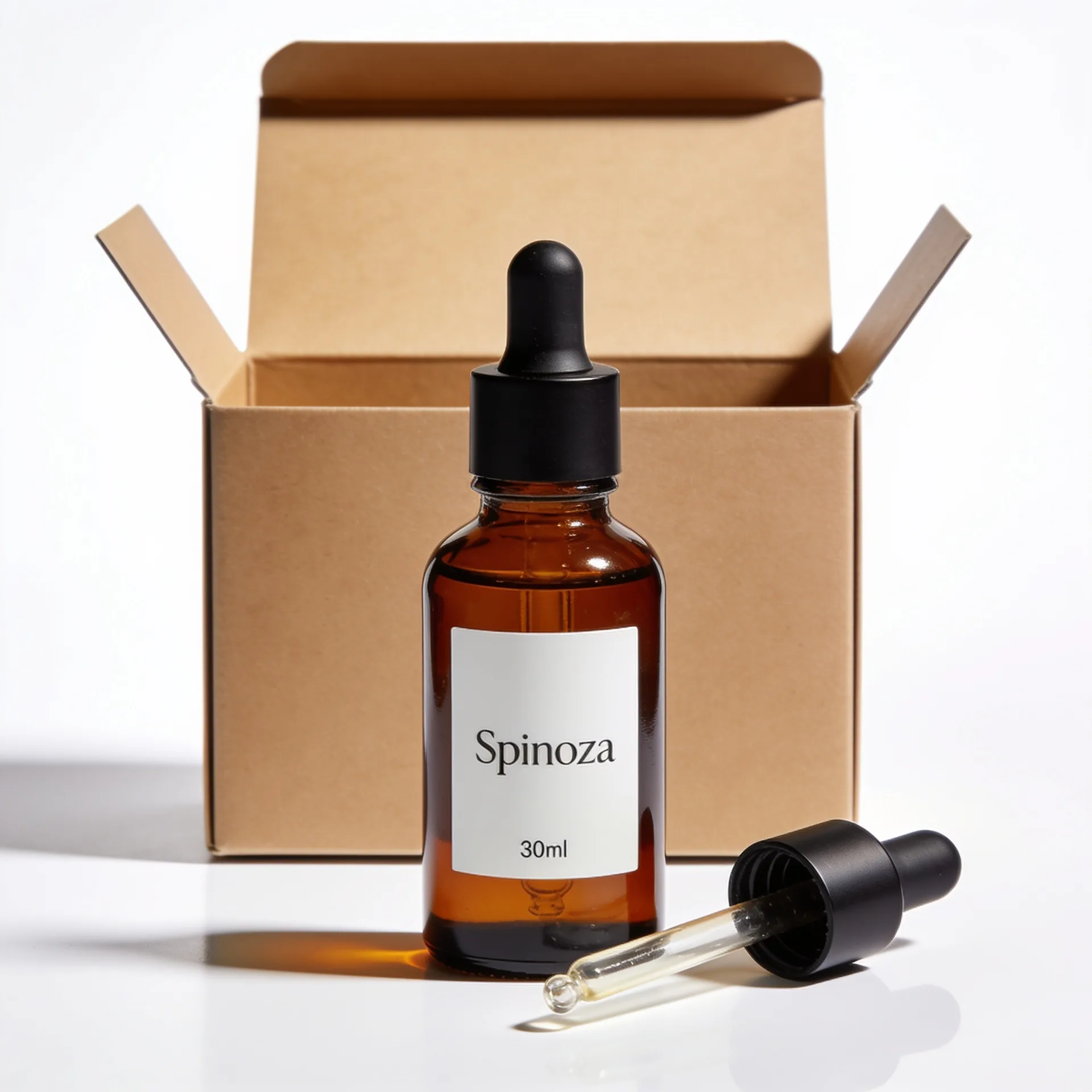
Seedream 5.0 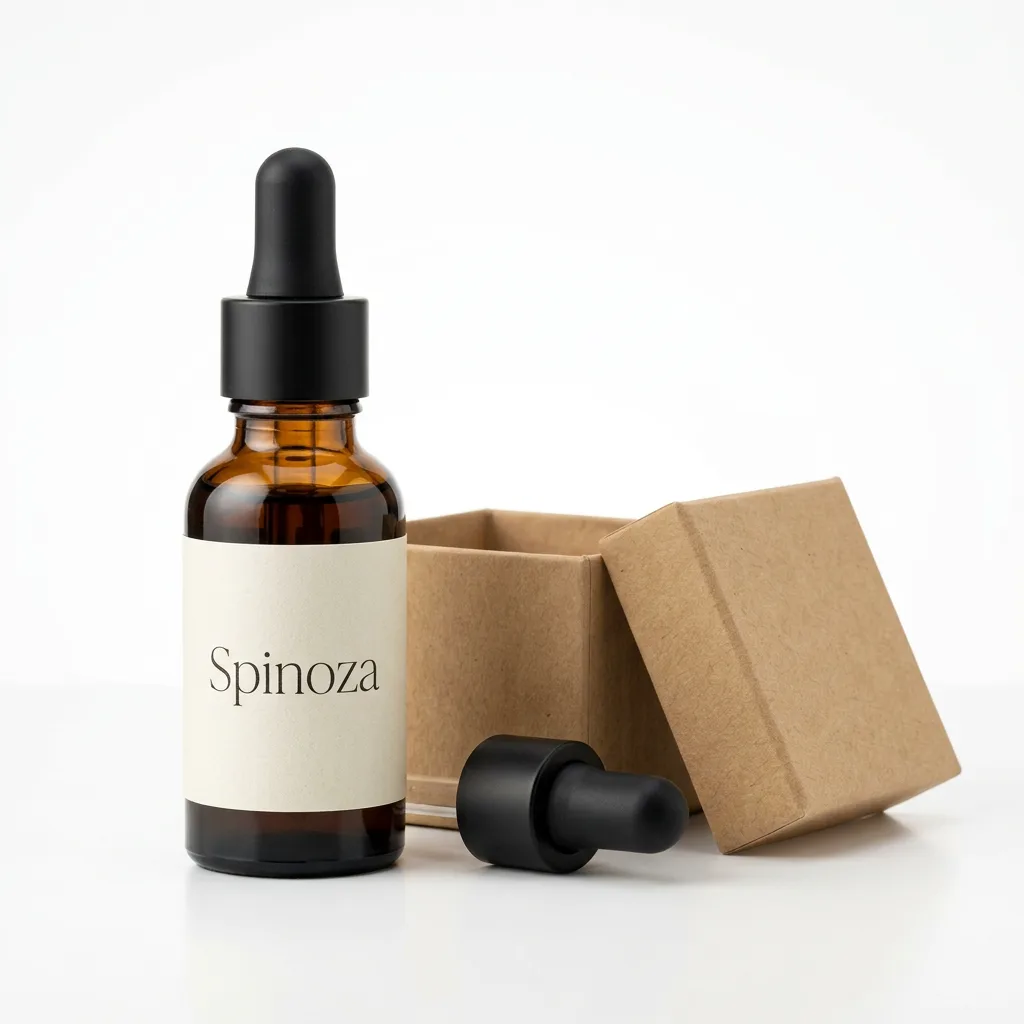
Nano Banana 2
GPT Image 2 plans a layout and checks its own work before it finishes, which shows up precisely where a store needs it: faithful product detail, legible packaging copy, and strict respect for instructions like keep the label unchanged. Give it a reference photo and it holds the real product steady while you restage the scene. It is not the cheapest per image, but for selling it is the safest pair of hands.
- Spinoza Score
- 4.8
- Starts at
- $20/mo
Google's flagship is level with GPT Image 2 and pulls ahead on realism and editing. It renders native 4K, so hero shots hold up when a shopper zooms, and its background swaps and in-place edits are clean enough to restage an existing catalog photo instead of reshooting it. Reach for it when a product has to sit believably in a real scene with correct light and shadow.
- Spinoza Score
- 4.8
- Starts at
- Free
Flux 2 is the sharpest pure-photography engine of the group. Its rendering of material, texture, and light is genuinely studio-grade, and it follows a detailed brief closely, which makes it excellent for hero packshots where the surface of the product has to look real. Its on-image text is decent rather than class-leading, so pair it with a text-first model when the label copy has to be perfect.
- Spinoza Score
- 4.3
- Starts at
- $0.05/mo
When the image is really typography, a sale banner, a feature callout, or packaging where the words are the point, Ideogram renders short, correctly spelled text more reliably than almost anything else. It is not your pick for a photoreal packshot, but for a clean promo graphic it is the fastest route to something usable.
- Spinoza Score
- 4.0
- Starts at
- Free
Seedream is the quiet specialist for stores that sell across languages. It renders product scenes convincingly and is unusually reliable with text, including non-Latin scripts, which makes it valuable for international packaging and marketplaces. It sits just behind the leaders on the very finest detail, but for the price and the multilingual strength it earns its place.
- Spinoza Score
- 3.9
- Starts at
- $0.03/mo
Google's fast, low-cost model is the value play at volume. It will not match Nano Banana Pro's top-end fidelity or 4K, but for a large, budget-conscious catalog where consistent and good enough beats perfect and expensive, it earns its place. Bulk-generate here, then rerun the hero shots on GPT Image 2 or Nano Banana Pro.
- Spinoza Score
- 4.4
- Starts at
- Free
Matching the model to the shot
The honest answer to which one is that it depends on the shot. A quick map, and the grids throughout this piece show each of these playing out.
Clean packshots on white: GPT Image 2, or Nano Banana Pro if you are editing a photo you already have.
Lifestyle and in-context scenes: Nano Banana Pro for realism, Flux 2 for the most polished studio look.
Apparel on a model: Nano Banana Pro and Flux 2 both hold garment detail well. Check the face and hands on each output before you ship it.
Background swaps on existing photos: Nano Banana Pro has the cleanest editing.
Packaging copy and labels: GPT Image 2 for fidelity, Ideogram when the text is the whole image, Seedream when the copy is not in English.
Sale banners and promo graphics: Ideogram first, then GPT Image 2.
Bulk catalog on a budget: Nano Banana 2.
A styled interior. Judge believable light, shadow, and how naturally the product sits in the scene.

GPT Image 2 
Nano Banana Pro 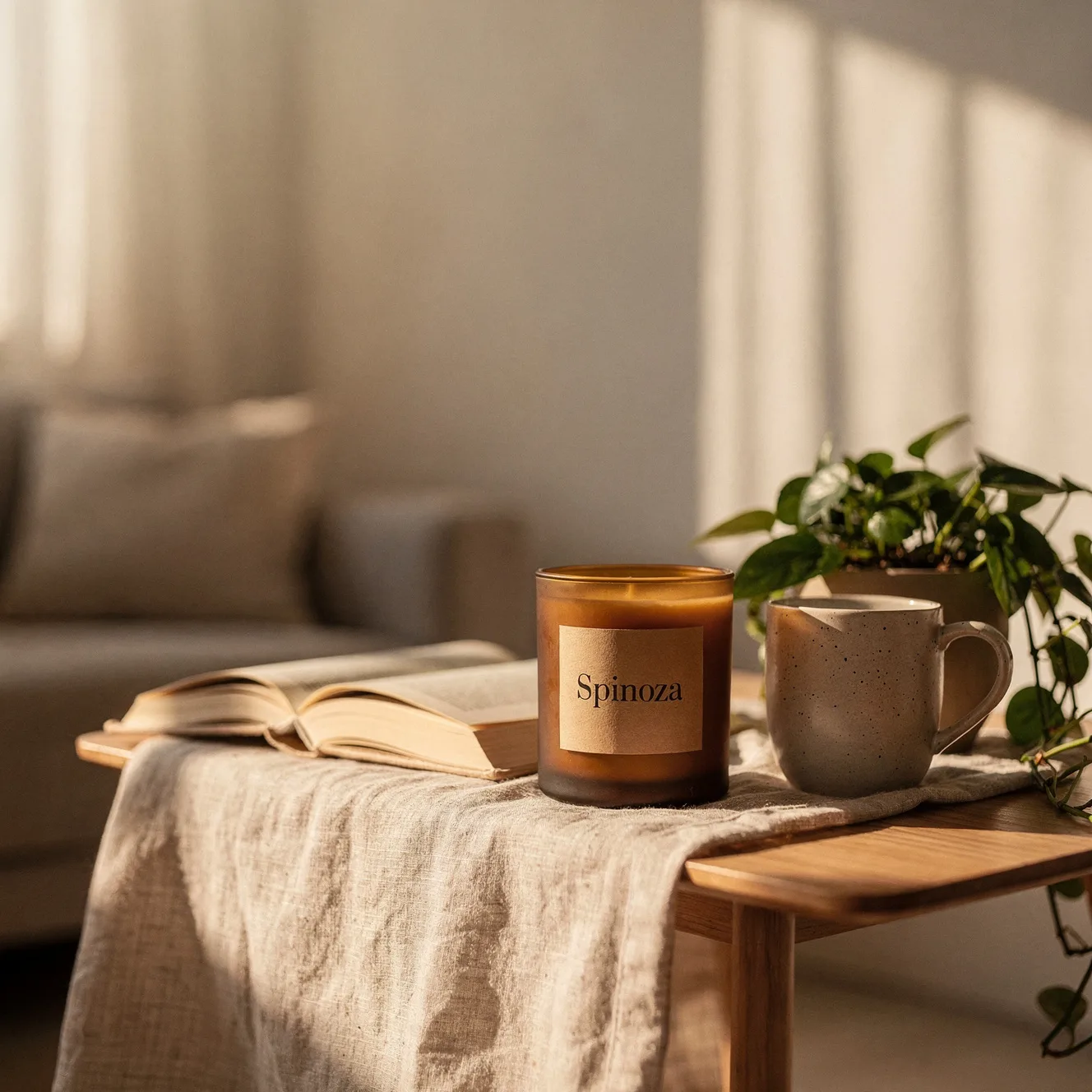
Flux 2 Pro 
Ideogram V4 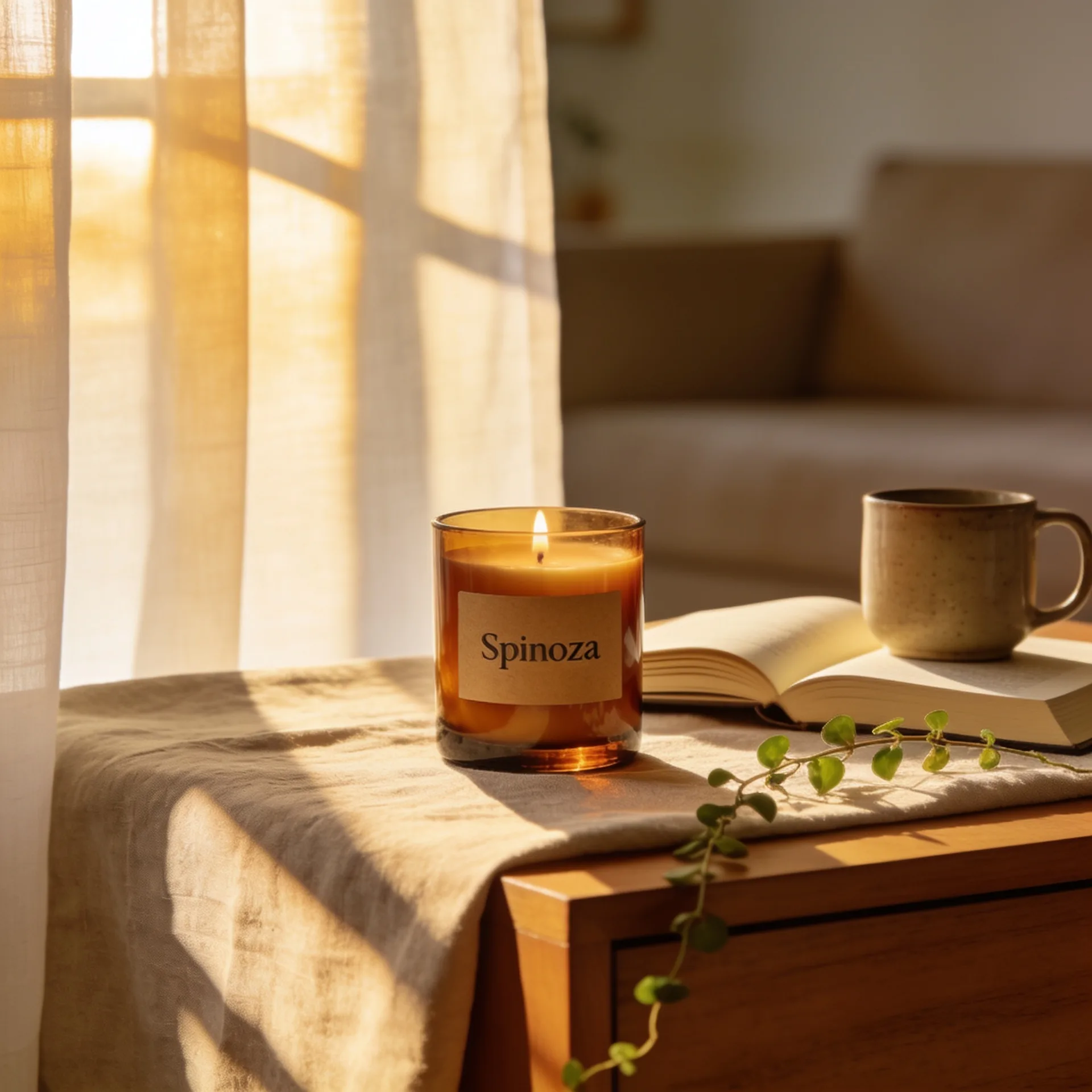
Seedream 5.0 
Nano Banana 2
Skin, fabric, and the printed wordmark under scrutiny. Look closely at hands and face.
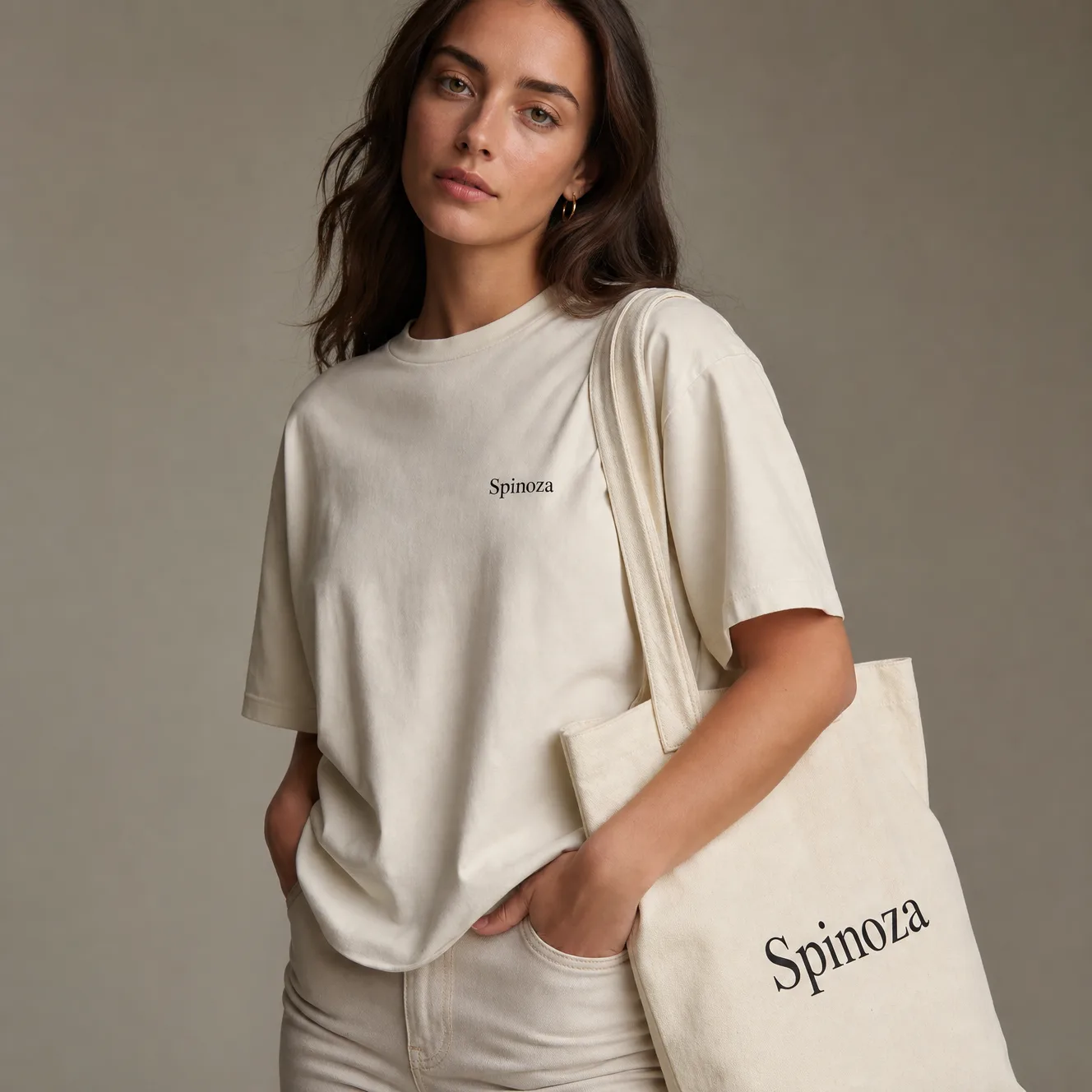
GPT Image 2 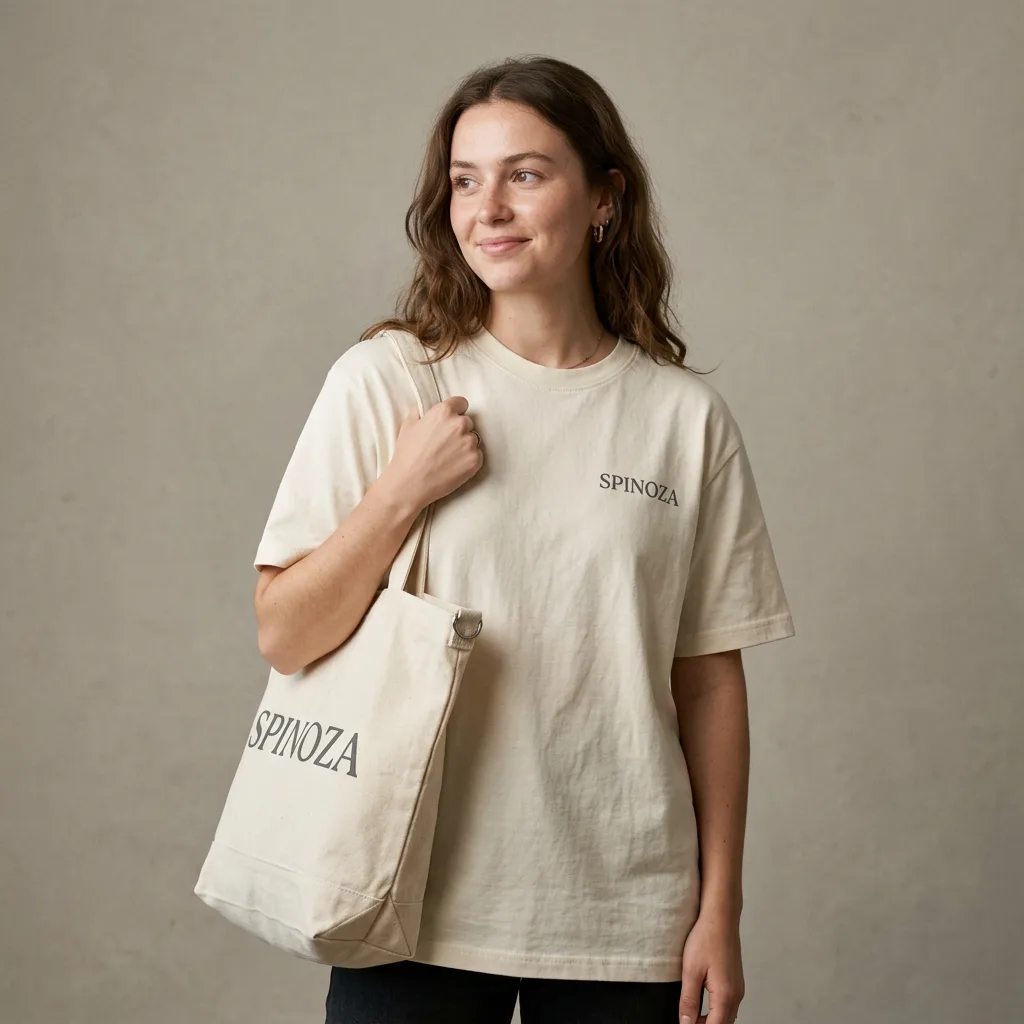
Nano Banana Pro 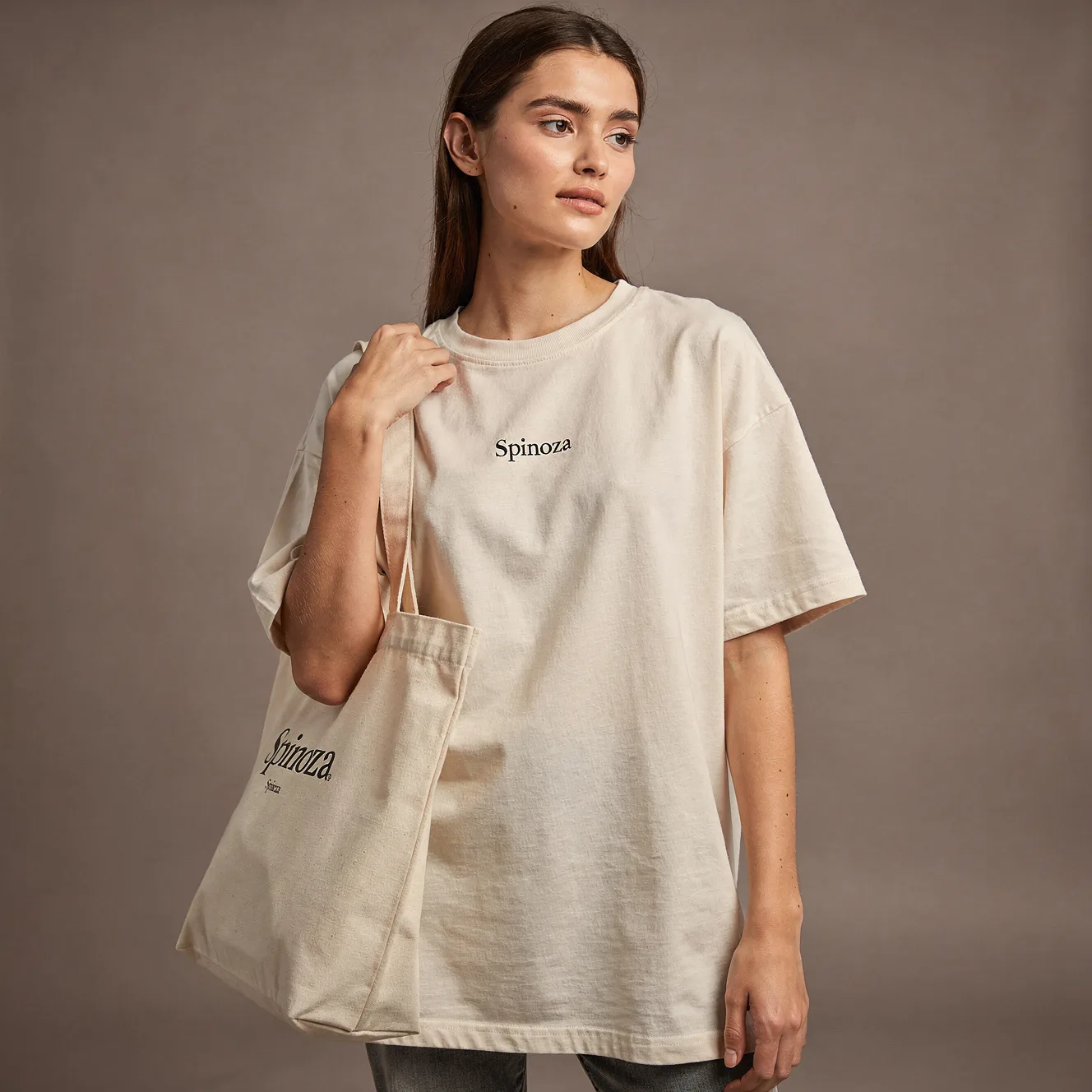
Flux 2 Pro 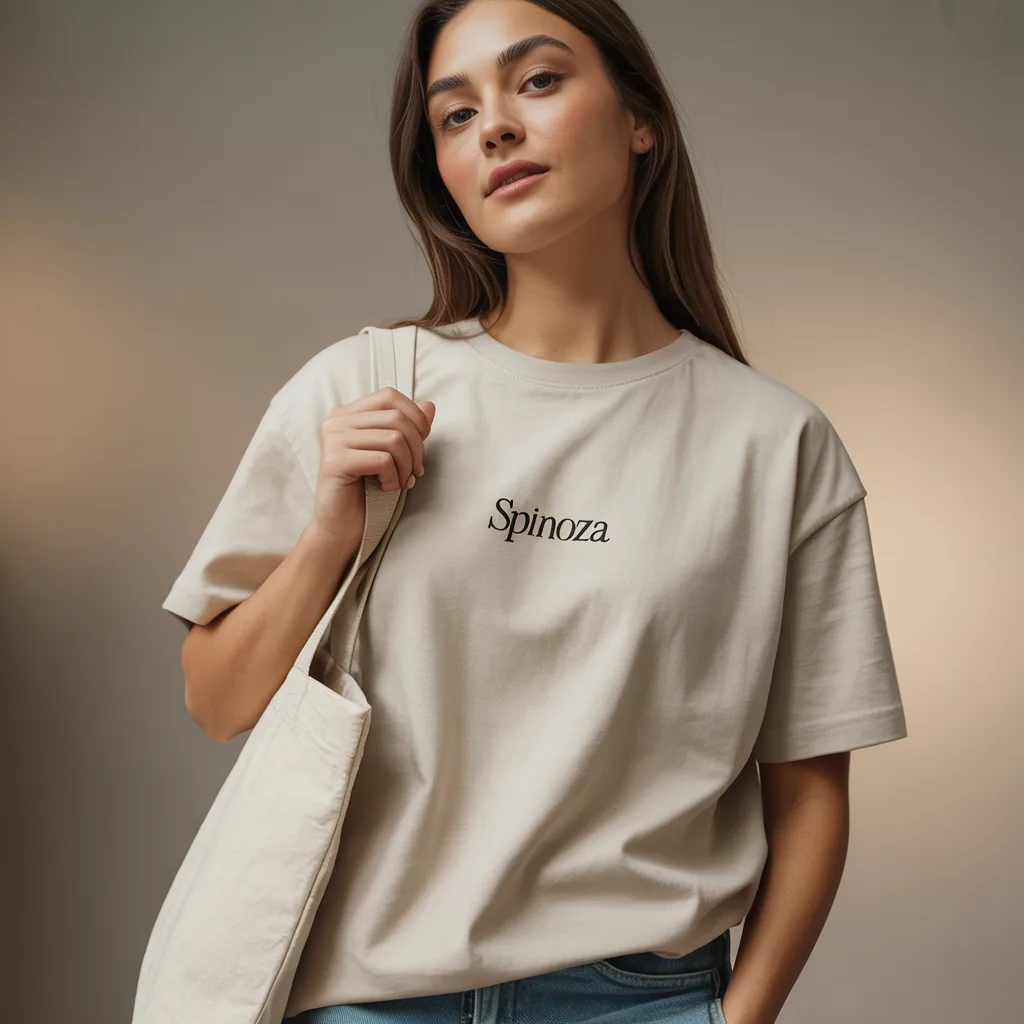
Ideogram V4 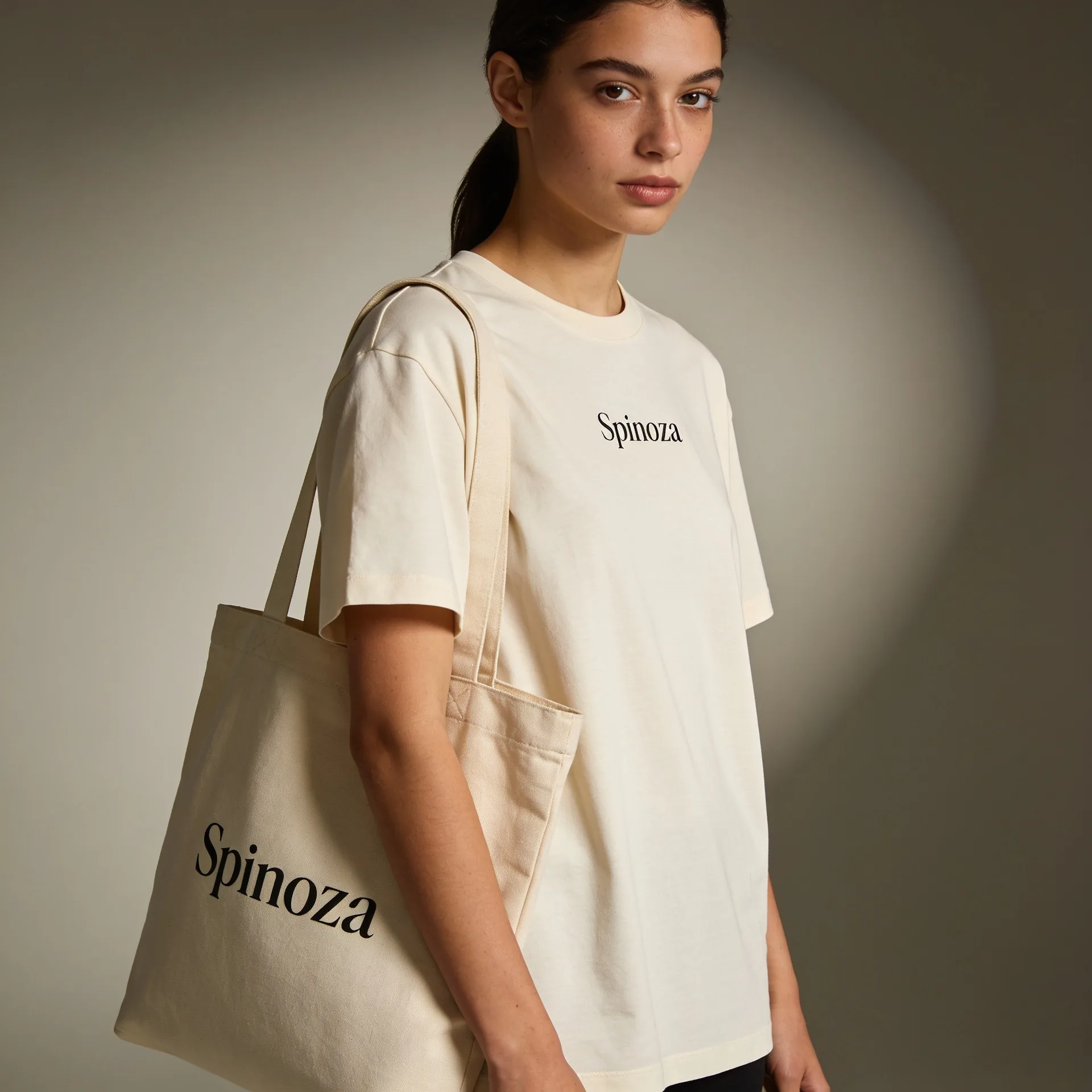
Seedream 5.0 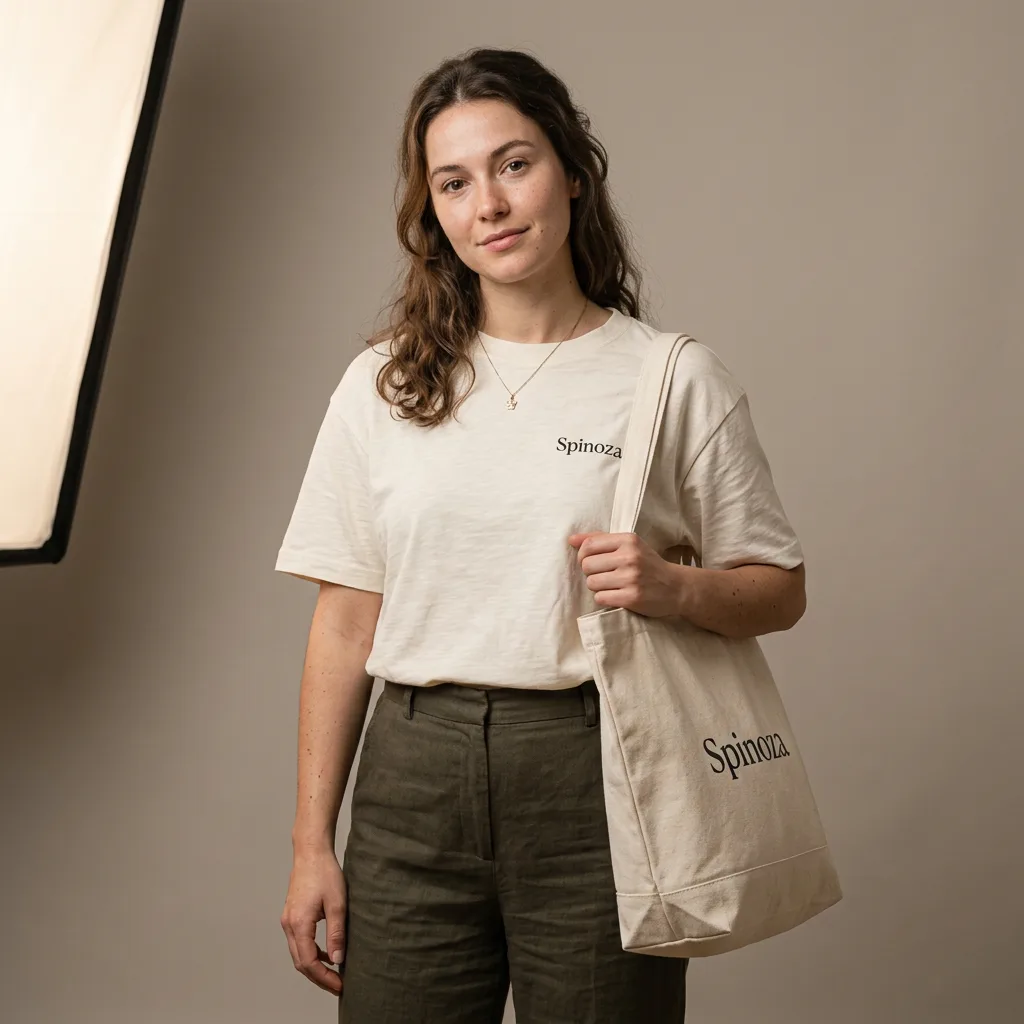
Nano Banana 2
Building a catalog that looks like one brand
One good render is a party trick. A catalog that reads as a single brand is the real job. A workflow that holds up:
1. Lock the product with references. Start from real photos and use the model's reference-image support so every generation is your item, not an approximation.
2. Fix a recipe, then vary within it. Decide background, lighting, and angle once, and reuse that recipe across the range so listings match.
3. Edit rather than regenerate. For photos you already have, swap the background or clean the scene instead of starting over.
4. Upscale for zoom. Push hero shots to high resolution so detail holds when a shopper zooms in.
5. Review every hero by hand. Especially anything with text or a critical product detail. A thirty-second check beats a return. The packaging grid below shows why.
The hardest text test. Watch ‘Spinoza’ and ‘Single-Origin Coffee’ — this is where models fall apart.
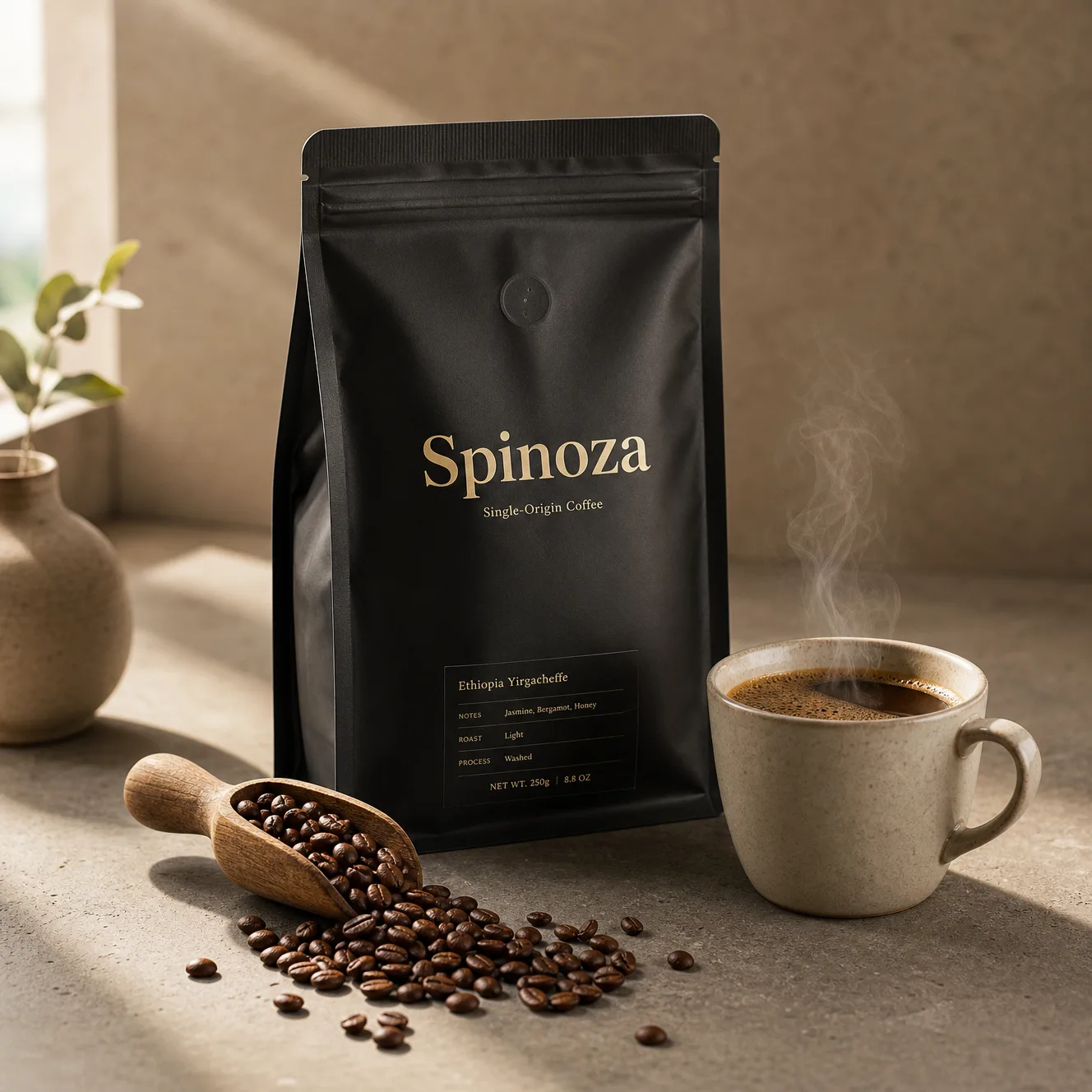
GPT Image 2 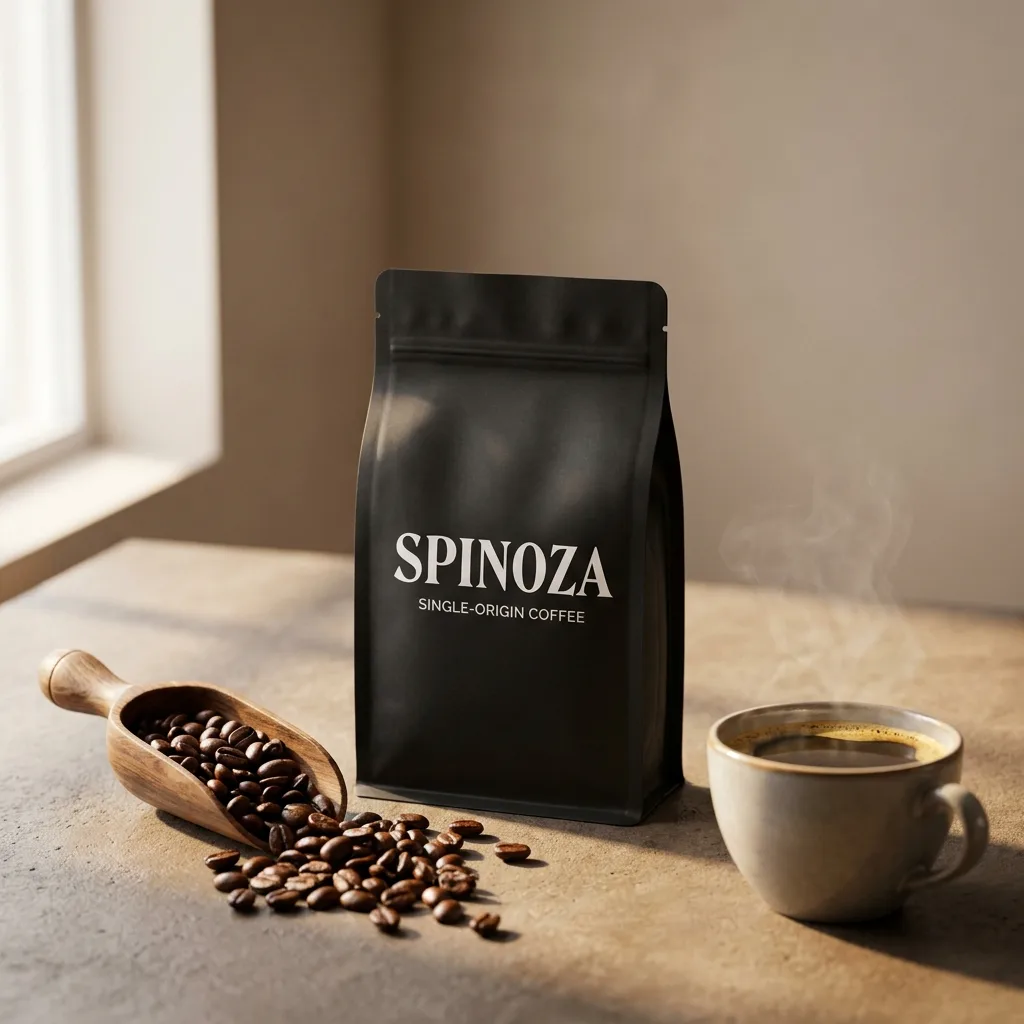
Nano Banana Pro 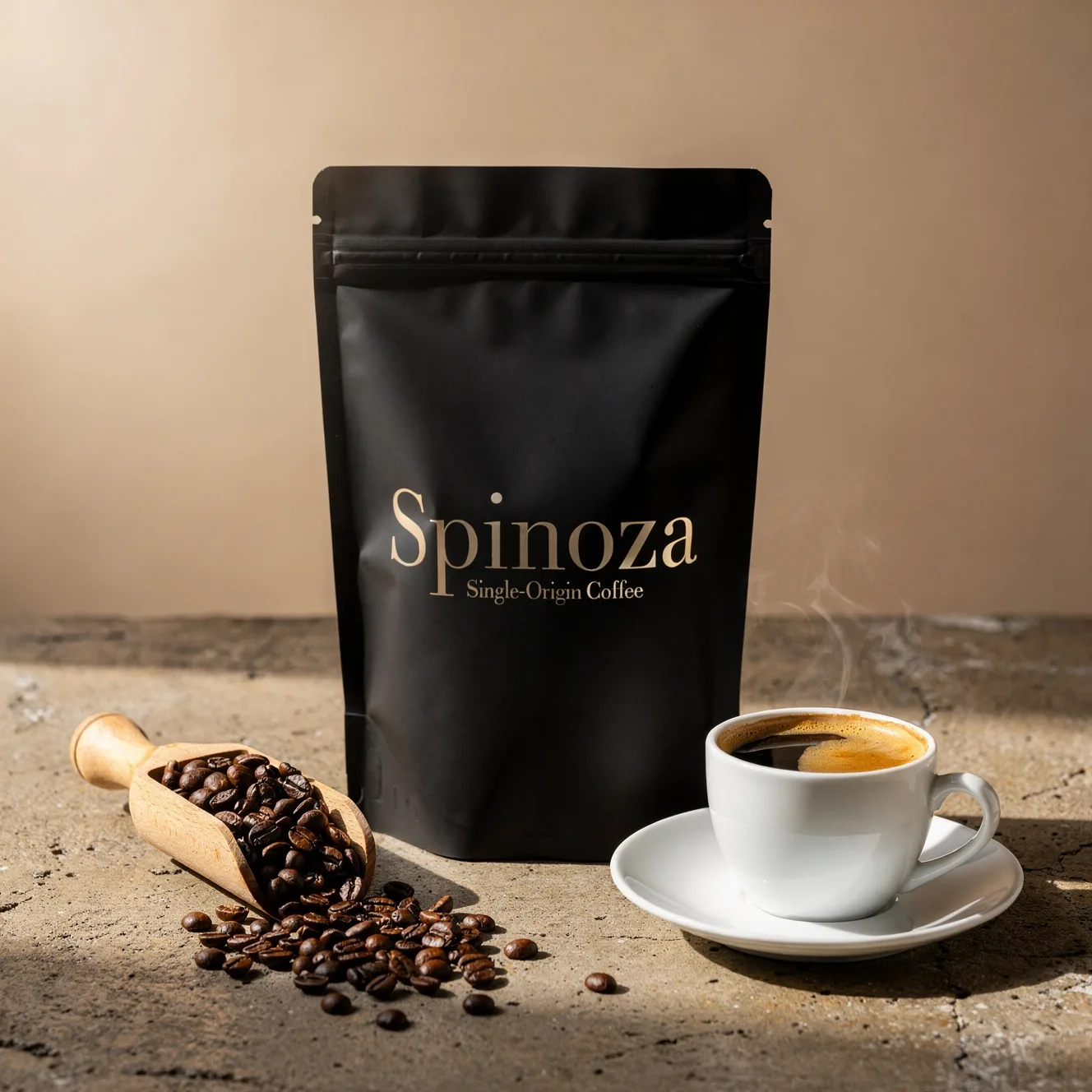
Flux 2 Pro 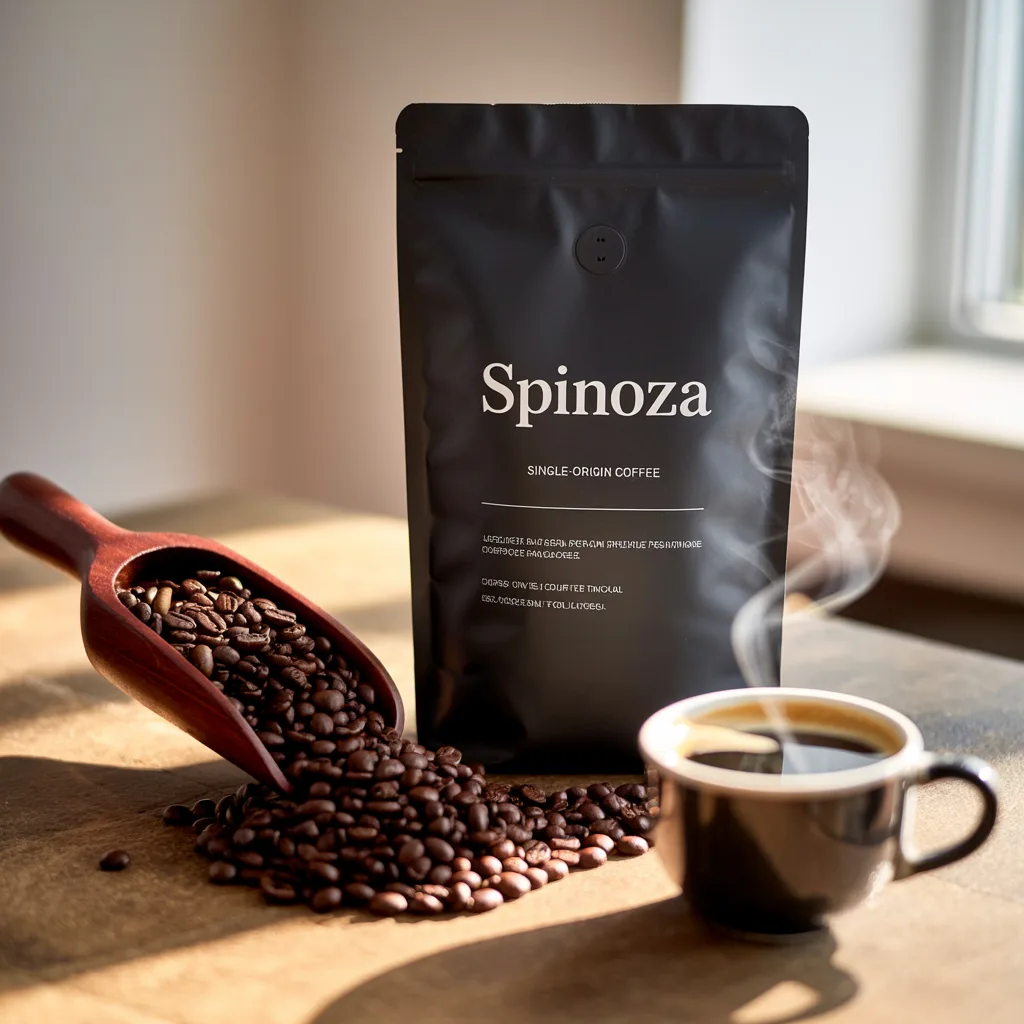
Ideogram V4 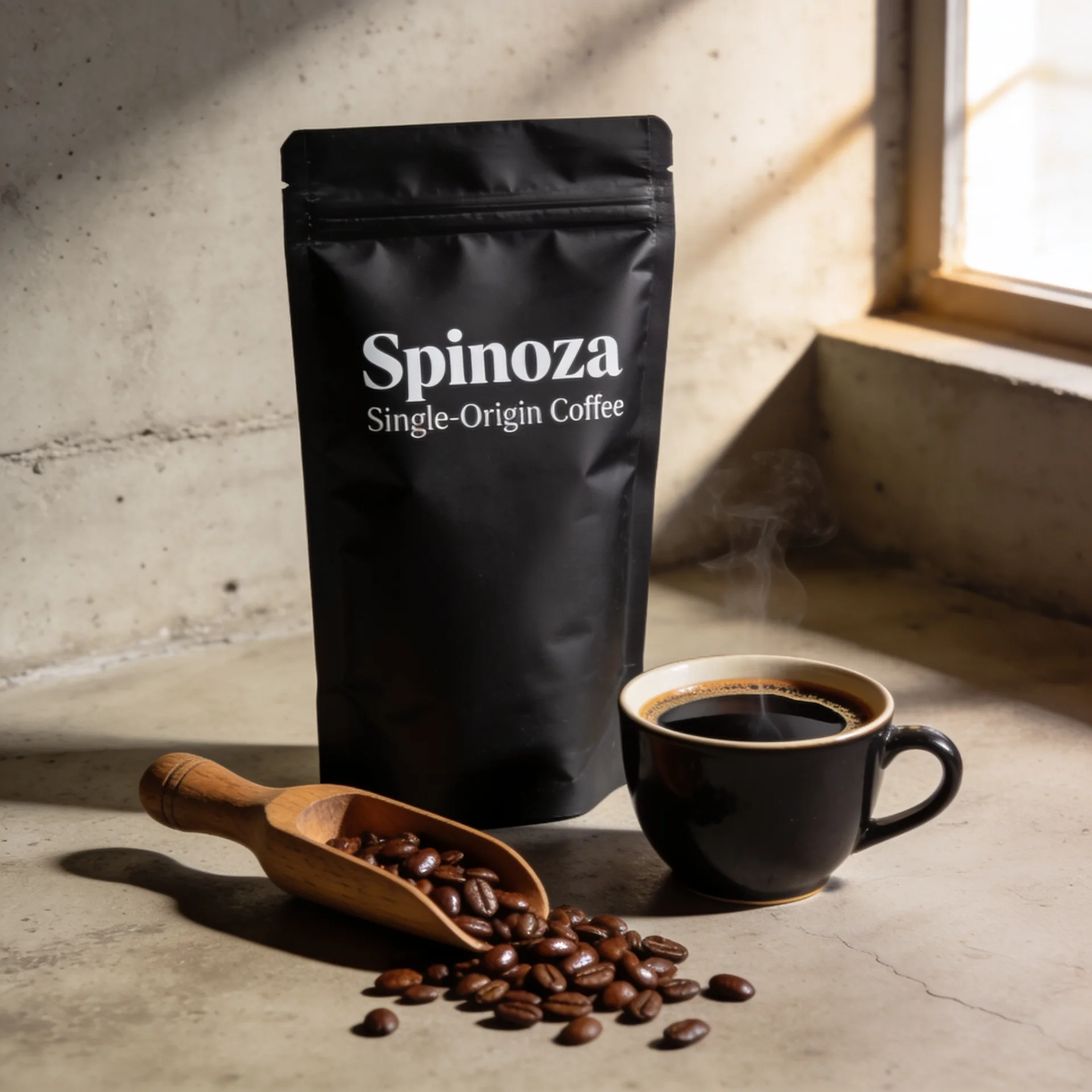
Seedream 5.0 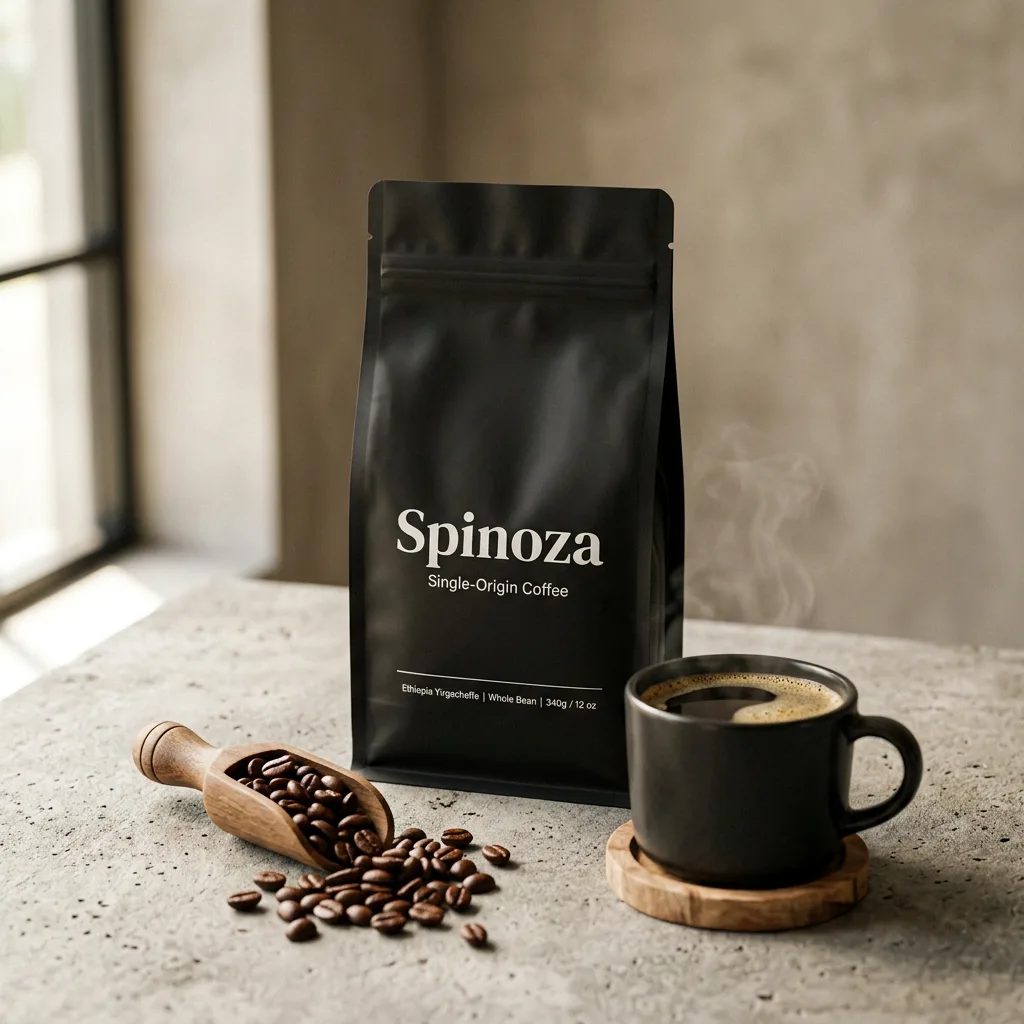
Nano Banana 2
On-image marketing type: a heading, a subhead, and a CTA button. Layout and legibility decide this one.

GPT Image 2 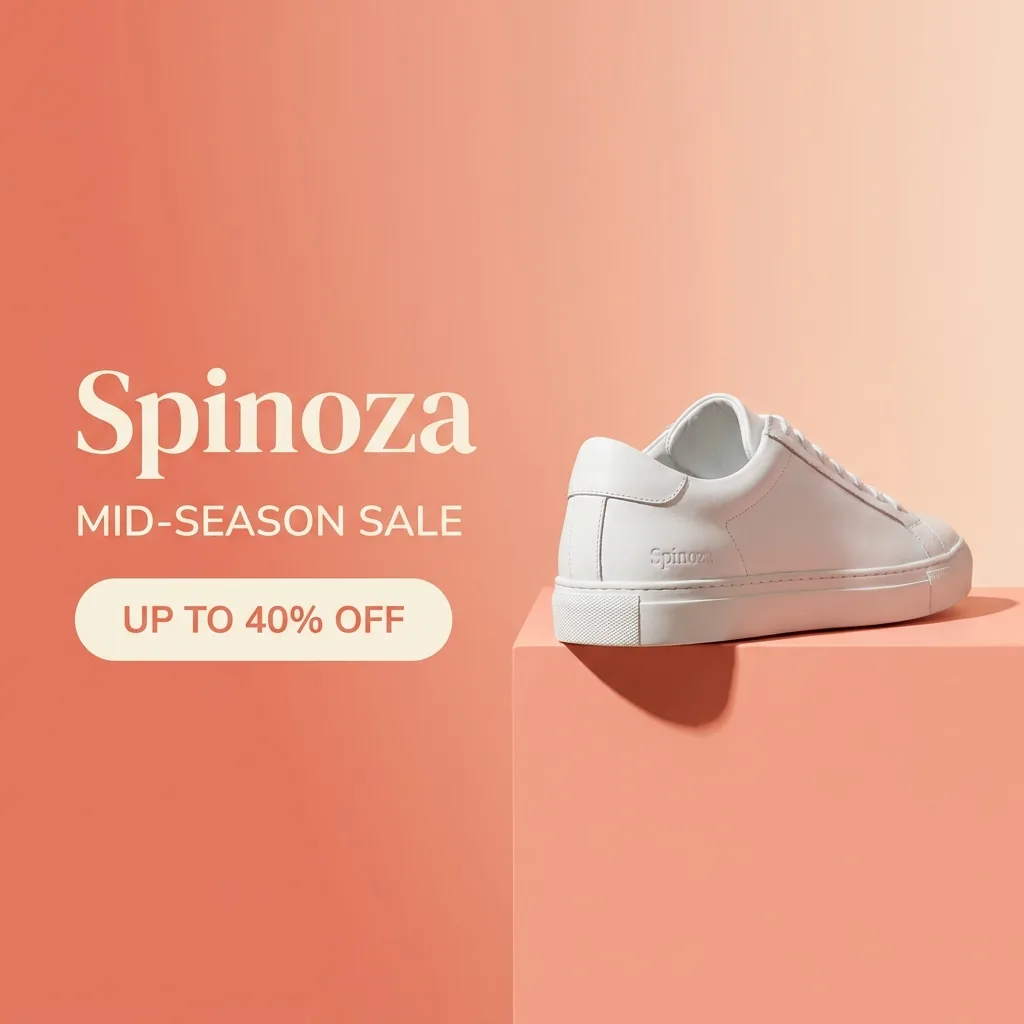
Nano Banana Pro 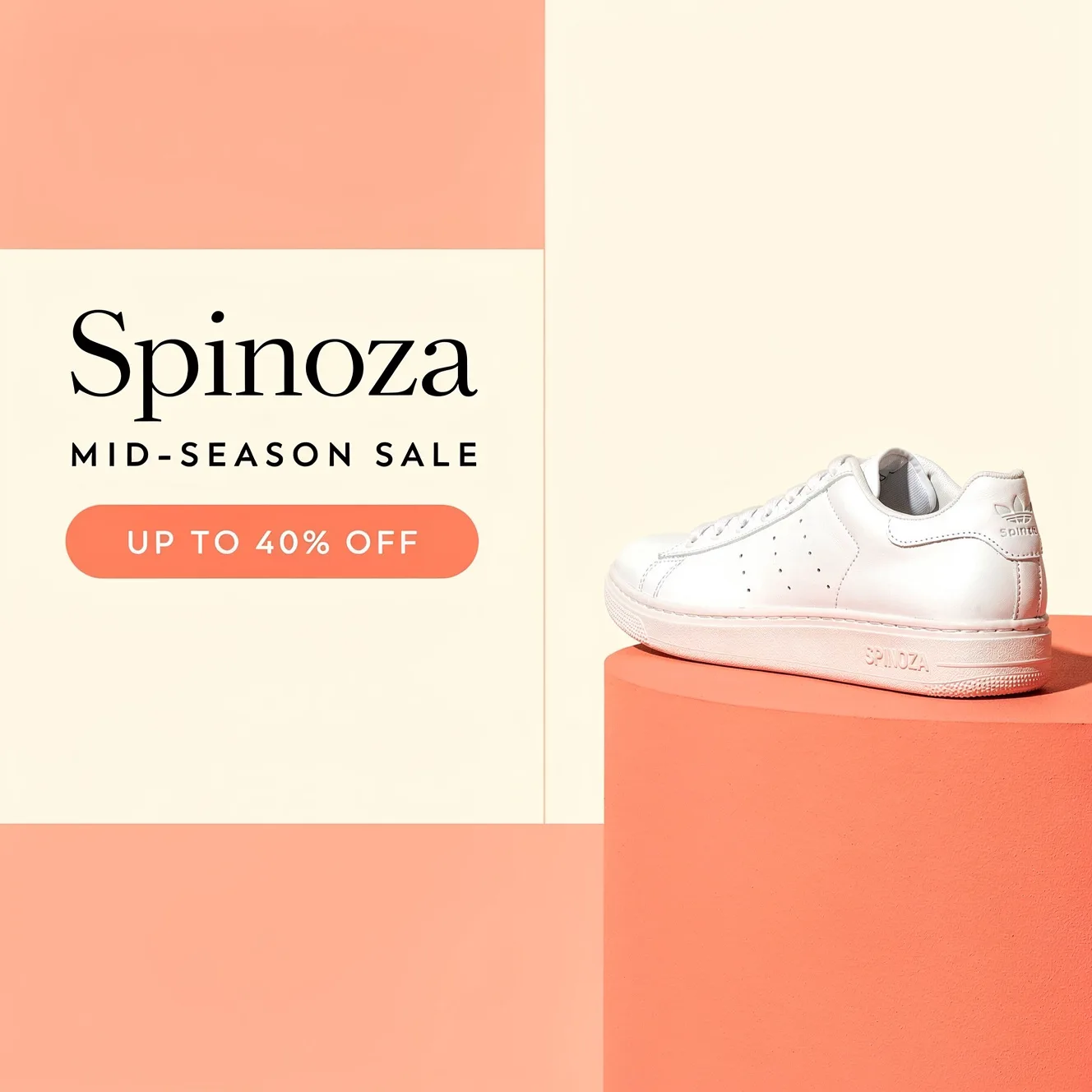
Flux 2 Pro 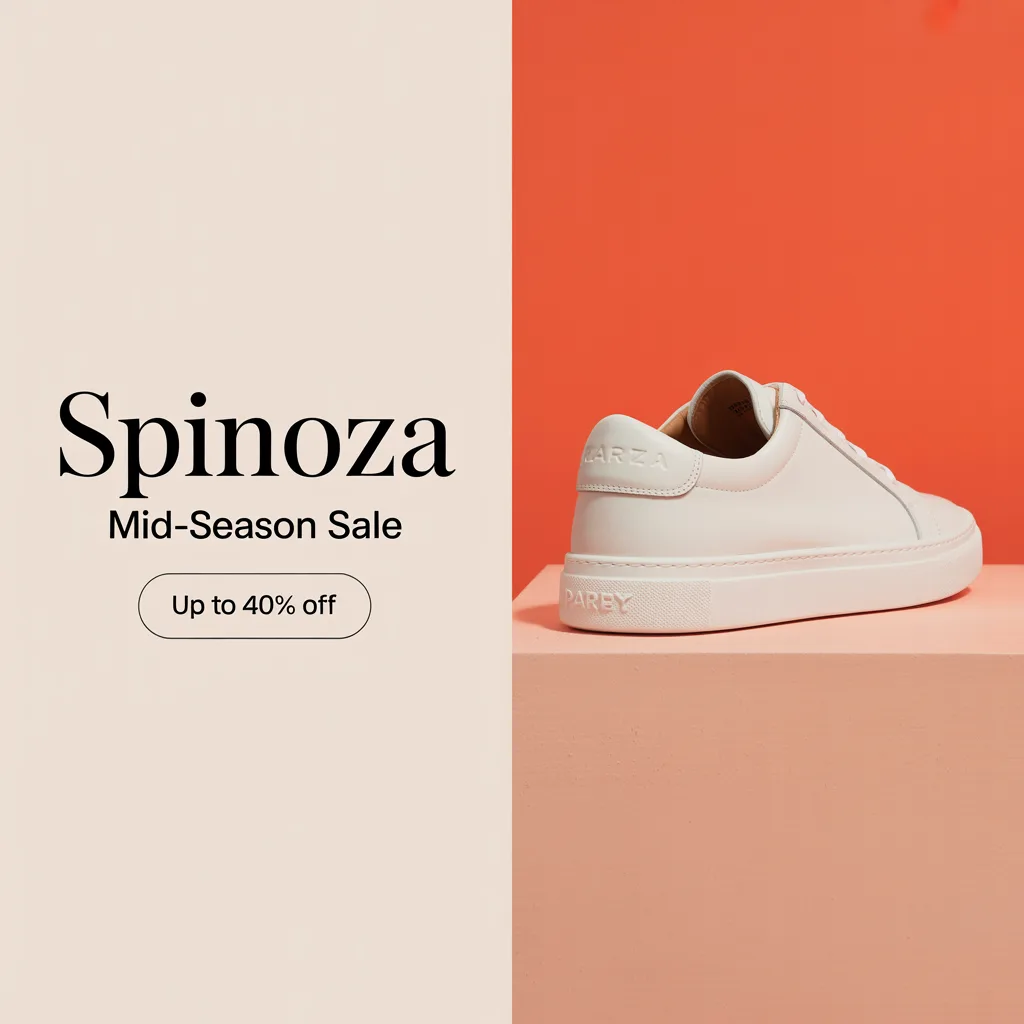
Ideogram V4 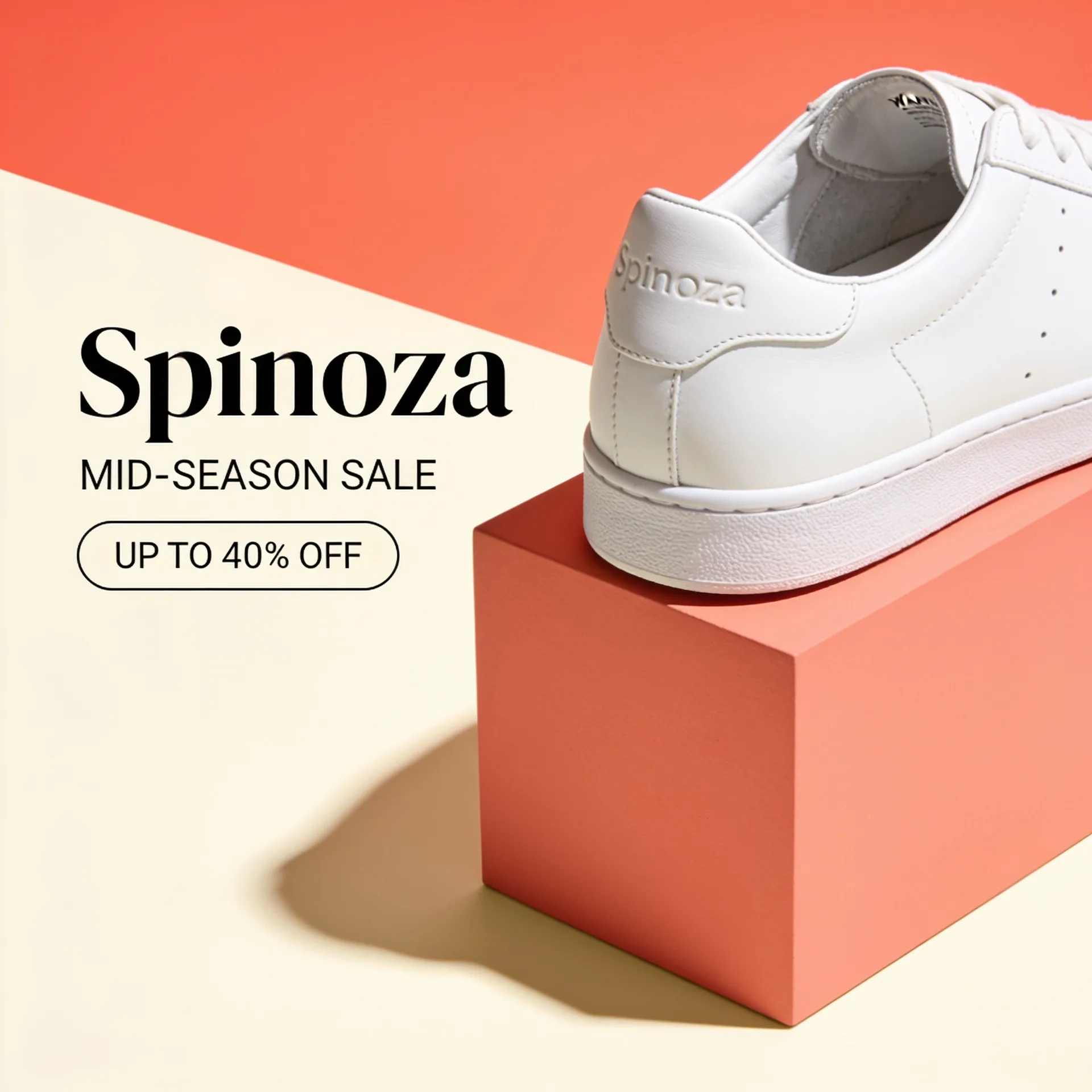
Seedream 5.0 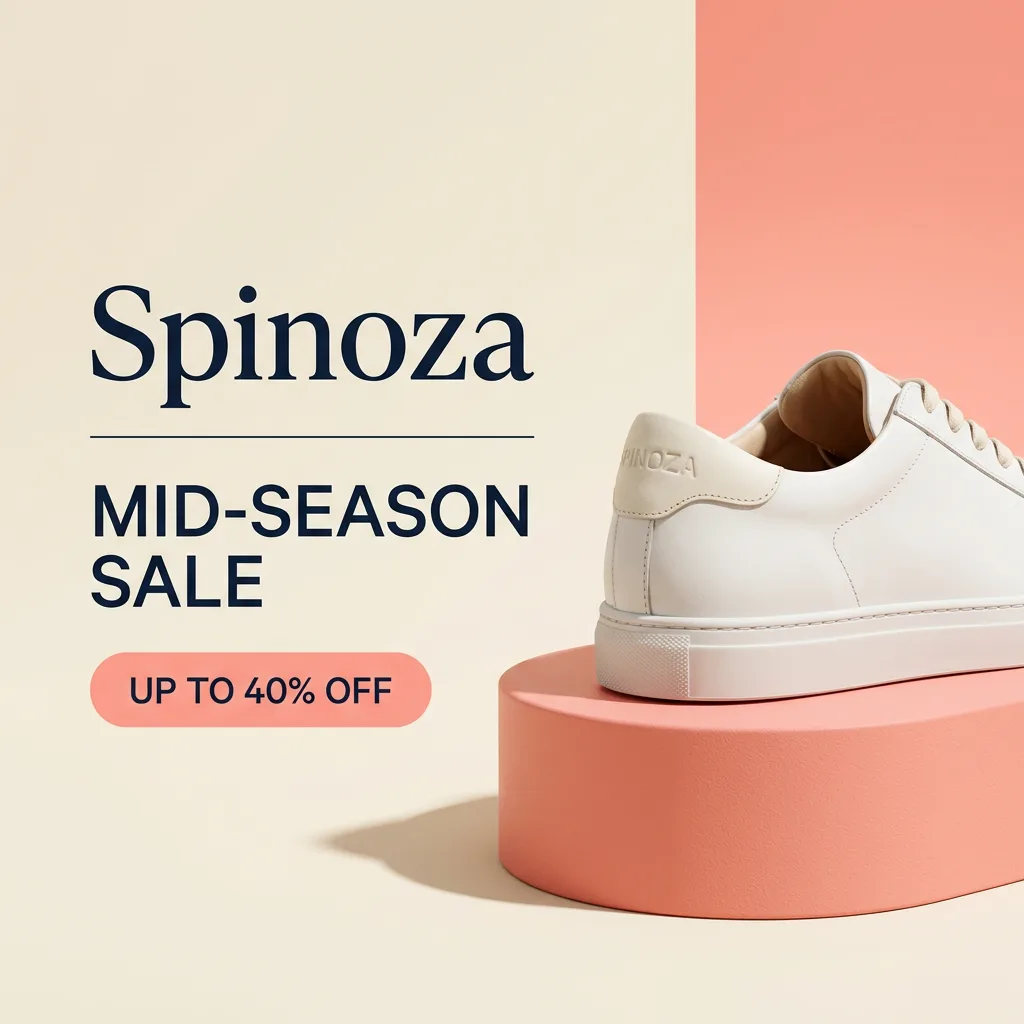
Nano Banana 2
Logo, box, and bag as one cohesive set. Judge design coherence and consistent styling.
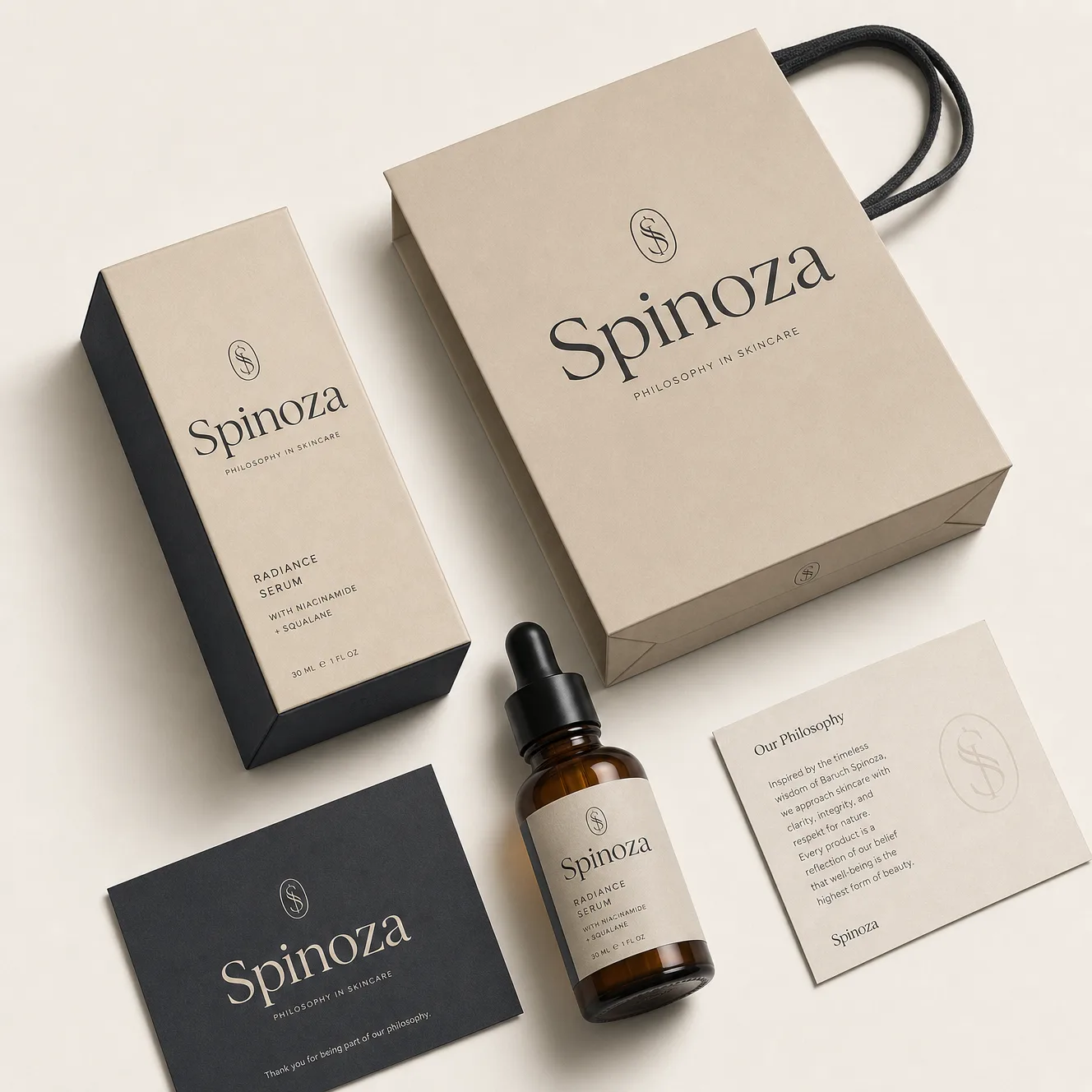
GPT Image 2 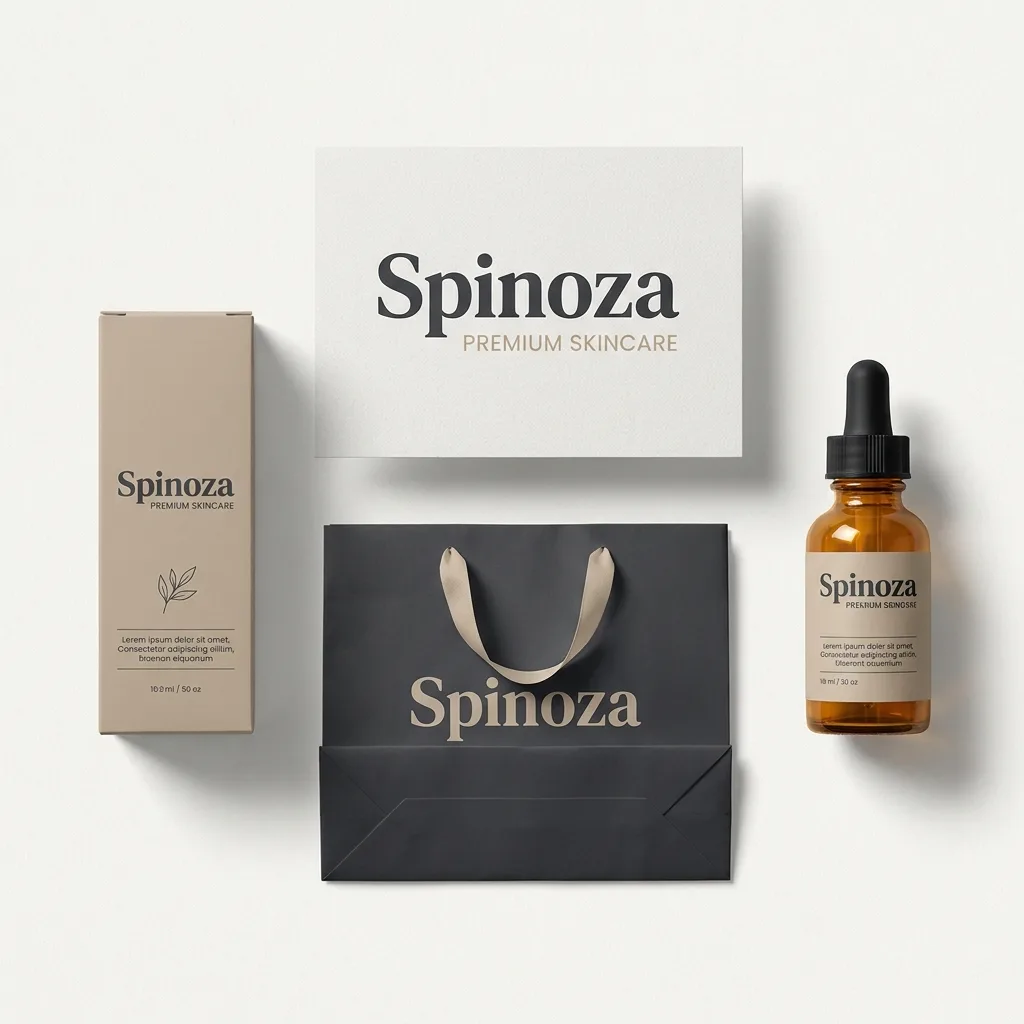
Nano Banana Pro 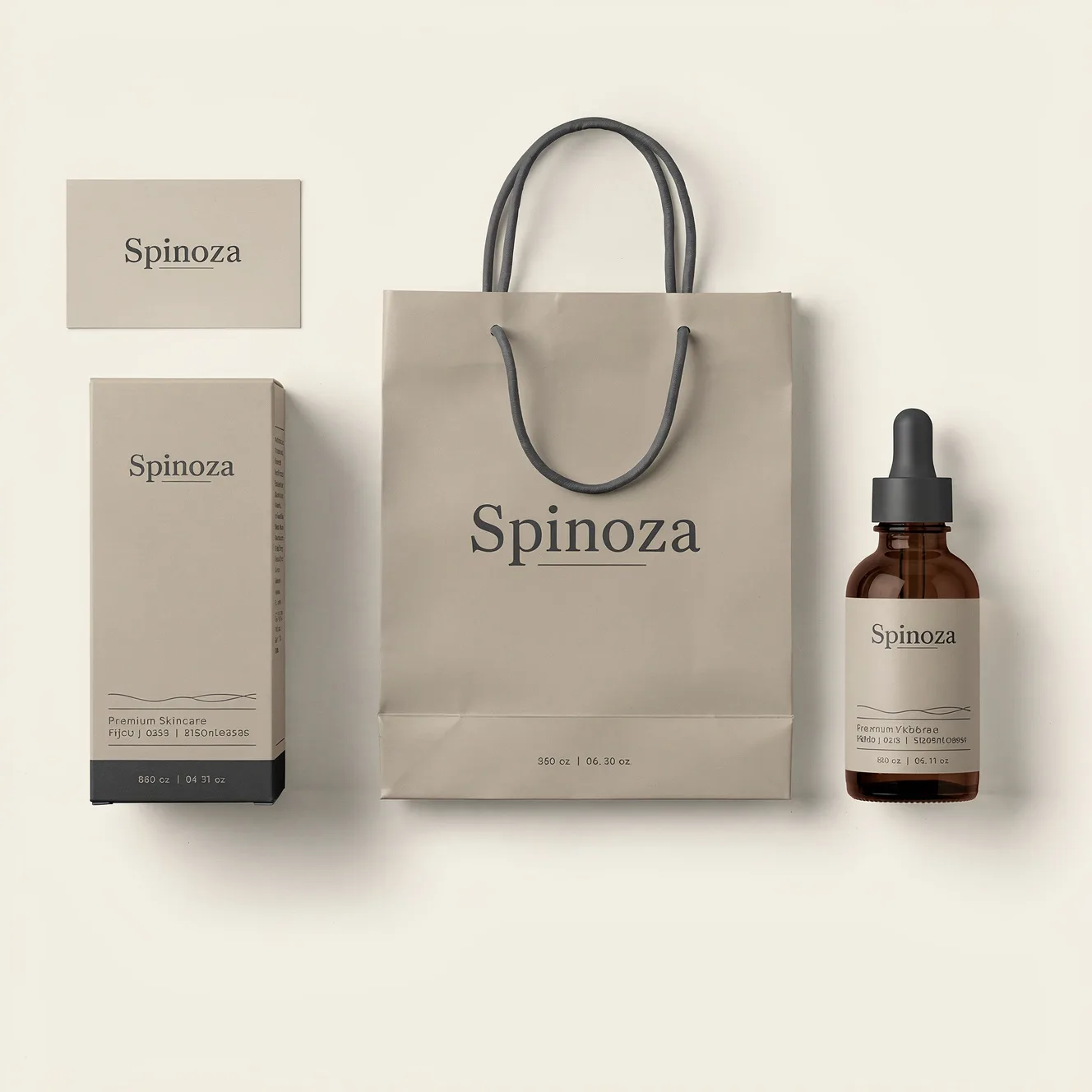
Flux 2 Pro 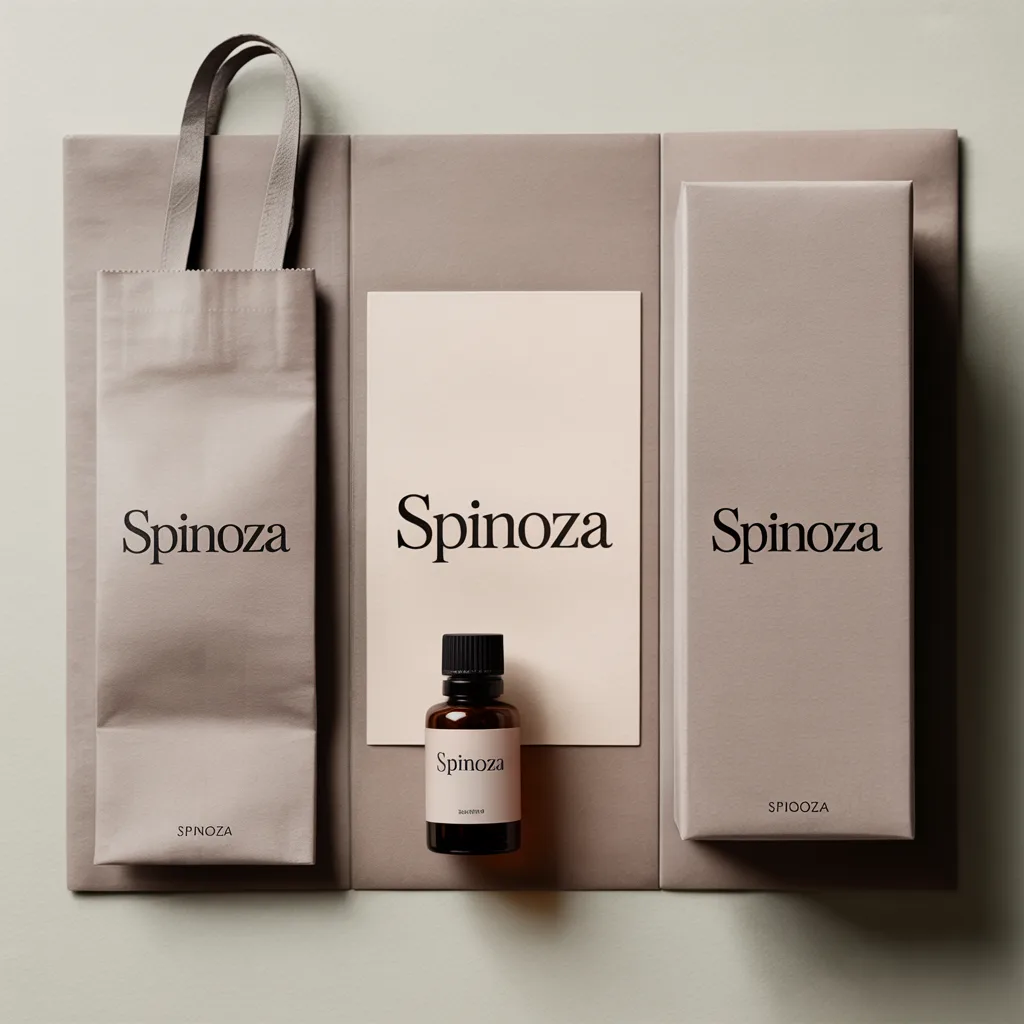
Ideogram V4 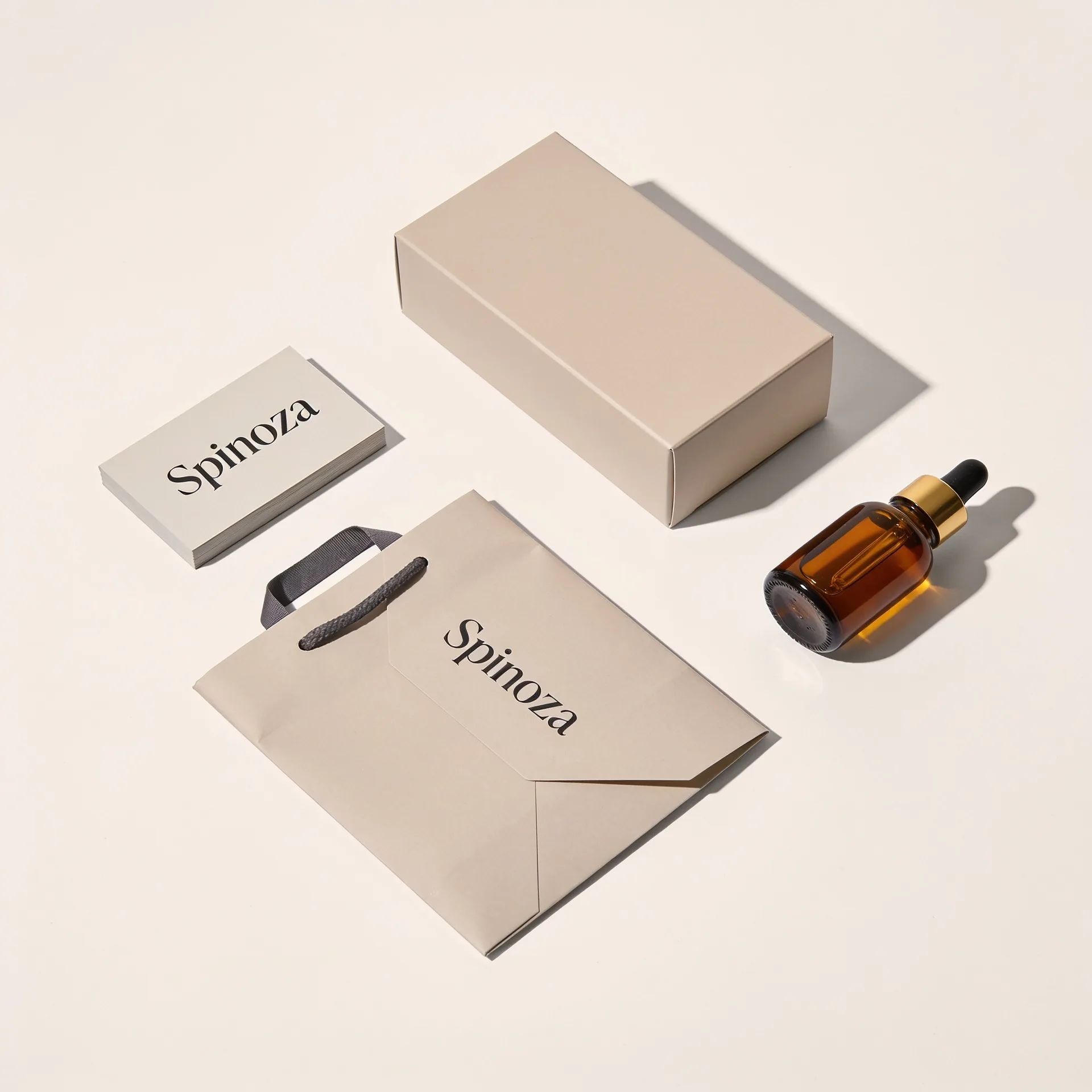
Seedream 5.0 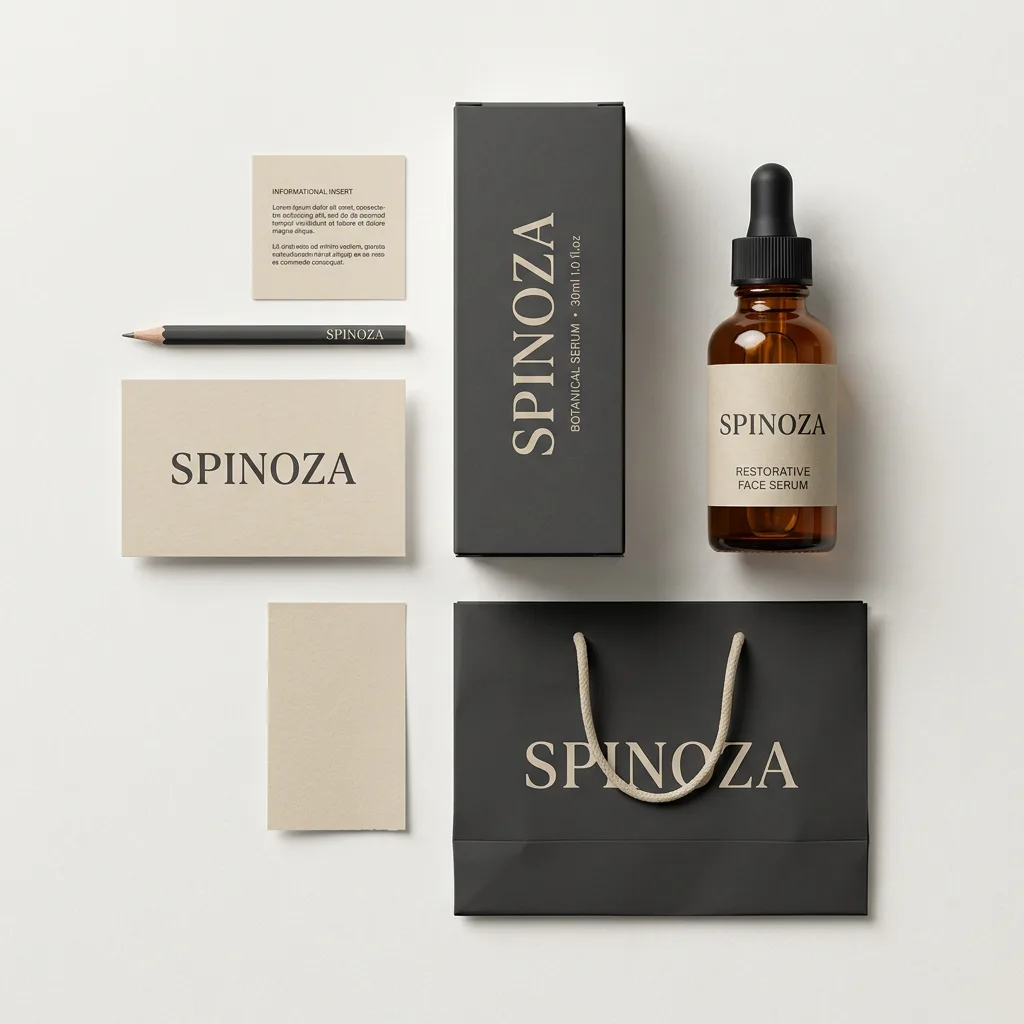
Nano Banana 2
One platform for every model
There is a catch to a lineup this good. Paying for each model separately adds up quickly, between GPT Image 2 credits, a Flux subscription, and a bill for everything else. Multi-model platforms solve that by putting several of these engines behind one login and one balance.
ImagineArt and Higgsfield both take this approach, so you can generate with more than one of these models without a separate subscription and markup for each. For the full breakdown of every model, tier, and real cost per image, see our best AI image generator guide.
"In e-commerce, an AI image that invents a product detail is not a clever render. It is a return, a chargeback, and a dent in customer trust."
Where the technology still falls short
Never ship an invented detail. If a model adds a feature, a color, or text your product does not have, that image is a liability rather than an asset. Match the real thing exactly.
Check marketplace rules. Amazon and other platforms set specific policies on edited and AI-generated imagery, especially for main listing images. Know them before uploading a catalog.
Text is still the weak point. As the packaging grid shows, even strong models garble longer copy. Proof every word on a label before it goes live.
Treat AI as a first draft. For the images that carry the sale, a human sign-off stays non-negotiable.
Frequently Asked Questions
What is the best AI image generator for e-commerce?
GPT Image 2 is the best all-round choice for product photography because it renders accurate product detail and readable packaging text. Nano Banana Pro is just as strong and better for photoreal scenes and editing existing photos. Use Flux 2 for the most detailed studio shots, Ideogram for text-heavy graphics, Seedream for multilingual packaging, and Nano Banana 2 for high-volume work.
Can AI image generators match my exact product?
Yes, if you give them reference photos. Models like GPT Image 2 and Nano Banana Pro use your images to keep the real product consistent. Always review the output, and never ship an image that adds a detail your product does not have.
Is AI product photography allowed on Amazon and Shopify?
It depends on the platform's current policy. Marketplaces like Amazon have specific rules about edited and AI-generated imagery, especially for main listing images. Check the guidelines before uploading, and keep every image truthful to the product.
How do I keep a whole catalog looking consistent?
Lock the product with reference images, fix one recipe for background, lighting, and angle, then reuse it across the range. Nano Banana Pro's editing keeps existing photos on style, and generating every SKU with the same model and settings holds the look together.
What is the cheapest AI image generator for a large catalog?
Nano Banana 2 offers strong quality at low cost for high-volume work. Generate in bulk there, then rerun your hero shots on GPT Image 2 or Nano Banana Pro.
The bottom line
For most stores the decision is simple. Default to GPT Image 2 for accurate packshots and Nano Banana Pro for photoreal lifestyle scenes, reach for Flux 2 when surface detail matters most, and lean on Ideogram, Seedream, and Nano Banana 2 for text, multilingual packaging, and volume. Compare any of them on our leaderboard, or read the full best AI image generator rankings for the wider picture.