Nano Banana Pro vs GPT Image 2: which image model should you actually prompt?
Google’s photoreal powerhouse against OpenAI’s typography champion. Two near-perfect image models — but they win on opposite prompts.
Google's flagship image model — frontier quality with real-world reasoning and native 4K.
- Starts at
- Free · $null/mo
- Best for
- Photoreal portraits, products & cinematic lighting.
OpenAI's flagship image model — unmatched prompt adherence, ChatGPT-native, multimodal.
- Starts at
- $20/mo
- Best for
- In-image text, typography & structured layouts.
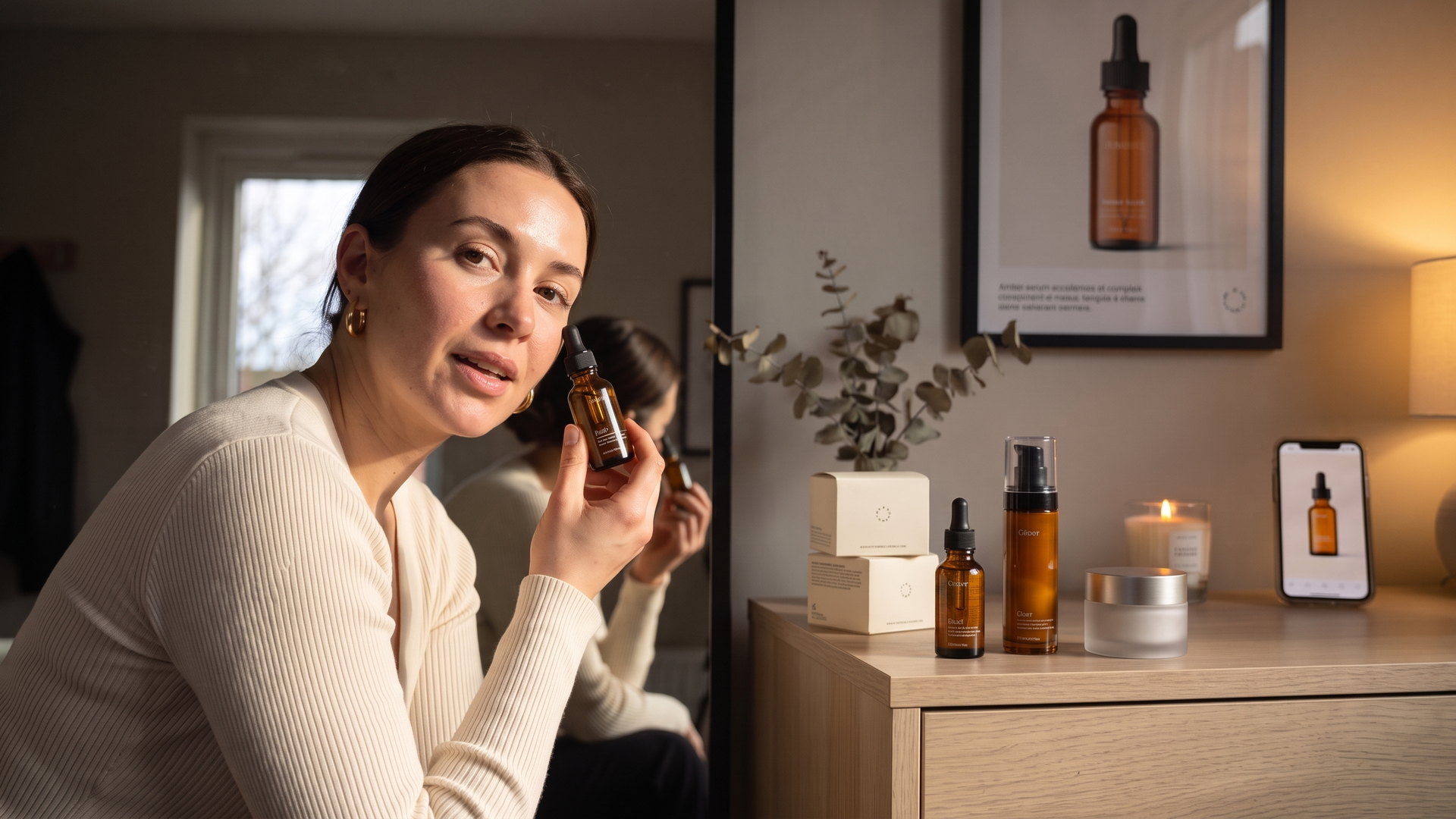
It’s basically a tie on quality — and that’s the point: they win on opposite jobs. Reach for Nano Banana Pro when the image has to look camera-shot: skin, materials, lighting, portraits. Reach for GPT Image 2 when the image has to *say* something: readable text, typography, infographics, UI. The pros keep both on tap and let the prompt pick.
Don’t pick a winner — pick the right model for the prompt.
- Your image lives or dies on photorealism — skin, materials, cinematic lighting.
- You need portraits, product heroes, or lifestyle shots that feel camera-shot.
- Grounded edits, multi-image control, and native 4K matter to your workflow.
- Your image has to contain real, readable text — posters, menus, infographics, UI.
- Typography accuracy and structured, multi-element layouts are the whole job.
- You want the tightest prompt adherence and a ChatGPT-native workflow.
How they score
Five metrics, each scored on its own. The overall is their average — pulled straight from each tool.
Raw output quality: detail, realism, and how believable the result looks.
How faithfully the model follows what you actually asked for.
Readable in-image text, clean layout, and design-ready output.
How much you can steer, edit, and refine the result.
How much usable output you get for the price.
The average of the five metrics above, pulled straight from each tool.
The differences that matter
- 01
Text rendering: GPT Image 2 writes real, readable type (~99% accuracy); Nano Banana Pro still produces plausible-but-unreadable pseudo-text at small sizes.
- 02
Photorealism: Nano Banana Pro leads on skin, pores, materials, and cinematic lighting — the more believable camera-shot look.
- 03
Editing: Nano Banana Pro is stronger for grounded edits, multi-image control, and iterative changes; GPT Image 2 favours clean from-scratch composition.
- 04
Prompt adherence & layout: GPT Image 2 nails structured, multi-element compositions and follows complex instructions most faithfully.
- 05
Access & price: Nano Banana Pro has a free tier via Gemini and native 4K output; GPT Image 2 is ChatGPT-native and starts around $20/mo.
Feature by feature
What it costs
When to pick which
Shooting photoreal portraits or product heroes
Skin, materials, and cinematic lighting read as genuinely camera-shot.
Designing posters, menus, or infographics with real text
Only GPT Image 2 renders small body text as readable type, not pseudo-text.
Editing or iterating on an existing image
Grounded edits and multi-image control make iterative changes reliable.
Mocking up a UI or multi-panel layout
Tight prompt adherence and structural control handle complex, multi-element comps.
Our recommendation
Stop looking for one winner. For anything photoreal — portraits, products, lifestyle — Nano Banana Pro is the sharper tool. For anything with text or strict layout — posters, infographics, UI — GPT Image 2 is. The smartest setup keeps both and lets the prompt decide; if you must crown one all-rounder, GPT Image 2 edges it for the wider range of jobs.
Questions buyers ask
Is Nano Banana Pro or GPT Image 2 better?
Neither outright — they’re near-tied on quality and win on opposite tasks. Nano Banana Pro for photorealism; GPT Image 2 for text and layout.
Which is better for text in images?
GPT Image 2, clearly. It renders small body text as readable type (~99% accuracy); Nano Banana Pro still produces plausible but unreadable pseudo-text at small sizes.
Which is more photorealistic?
Nano Banana Pro. It leads on skin texture, materials, and cinematic lighting — the camera-shot look for portraits and products.
Which is better for editing existing images?
Nano Banana Pro, thanks to grounded edits, multi-image control, and reliable iterative changes.
Which is cheaper?
Nano Banana Pro has a free tier via Gemini and is famously cheap per image; GPT Image 2 is ChatGPT-native and starts around $20/mo.
Can I use both?
Yes — and most pros do. Keep both available and let the prompt decide: photoreal goes to Nano Banana Pro, text and layout go to GPT Image 2.
We ran the same prompts through both models — photoreal portraits and products, plus text-heavy posters, menus, and UI mockups — and compared fidelity, typography accuracy, prompt adherence, editing control, and cost. Our methodology →